

Urea is a moisture-binding and gentle-exfoliating ingredient that softens and smooths skin.
If you have dry, rough, or sensitive skin, you have likely asked what is urea in skin care and why it gets so much praise. I have helped many clients use it well, and I have used it in my own routine for years.
Here, I break down what is urea in skin care, how it works, and how to pick the right level for real results. You will get clear steps, honest tips, and science you can trust.
What is urea in skin care?
Urea (also called carbamide) is a skin-replenishing molecule. It is a humectant. It pulls water into the top layers of your skin. It is also keratolytic at higher levels. That means it can loosen dead cells on the surface.
Your skin already makes small amounts of urea as part of its natural moisturizing factor. In products, urea is made in labs from safe, clean sources. It is not taken from urine. When people ask what is urea in skin care, the short answer is this: it is a proven hydrator that can also smooth texture.
Dermatology research supports its two key actions. Low levels boost water content and calm tight, dry skin. Higher levels break the bonds between dry, rough cells, so skin feels soft and looks even. This is why many pros use urea for dry hands, feet, and shins. It also helps with keratosis pilaris and rough nails.
If you are still unsure what is urea in skin care, think of it like a smart sponge with a soft file. It brings in water and gently buffs the surface at the same time. That mix is rare and very useful for daily care.

How urea works on the skin?
Urea has two main actions that change with dose.
- Humectant action: It draws water into the stratum corneum and holds it there.
- Keratolytic action: It loosens the “glue” between dead cells, so they shed with ease.
- Barrier support: It helps your skin’s natural lipids work better, so water loss drops.
- Penetration boost: It can help other actives get in, like lactic acid and retinoids.
When people search what is urea in skin care, they want to know why it feels so soothing. The reason is simple. Hydration rises fast, and rough spots soften without harsh scrubs.

Benefits and who should use it
Urea is versatile. It helps many common concerns.
- Dry, tight skin: Relieves flaking on the face and body.
- Rough patches: Softens elbows, knees, and ankles.
- Heels and calluses: High levels can smooth thick skin fast.
- Keratosis pilaris: Helps bumps on arms and thighs look and feel better.
- Eczema-prone skin: Low levels support moisture when the barrier is weak.
- Nails: Softens thick or brittle nails to improve look and care.
Clinical reviews back these uses in both face and body care. If you ask what is urea in skin care for sensitive skin, the answer is “gentle relief.” It works without the sting many acids can cause.
Urea concentrations and when to use each
Picking the right strength matters. Here is a simple guide.
- 2–5%: Daily hydration for dry or sensitive skin. Good for face and neck.
- 5–10%: Extra softening for rough texture and mild bumps.
- 10–20%: Keratolytic care for KP, thick shins, and dry hands or feet.
- 30–40%: Targeted care for heels, calluses, and thick nails. Short-term, spot use.
If you wonder what is urea in skin care best for your need, match level to your goal. Go low for daily moisture. Go higher for rough, thick areas. Start low if your skin is reactive.

How to add urea to your routine?
You can use urea on the face or body. Timing and mix matter.
Daily face routine
- Cleanse with a mild, non-stripping wash.
- Apply a 2–5% urea lotion to damp skin.
- Seal with a simple moisturizer if you are very dry.
- Use sunscreen each morning.
Body care routine
- After a shower, pat dry but leave skin slightly damp.
- Use 5–10% urea on arms and legs for smoothness.
- Use 10–20% on elbows, knees, or very rough spots.
- For heels, try 20% at night and socks over it.
Pairing tips
- With retinoids: Use on alternate nights to reduce dryness.
- With AHAs or BHAs: Combine with care to avoid over-exfoliation.
- With ceramides and glycerin: Great team for barrier repair.
- With vitamin C: Apply urea first, then vitamin C once dry.
If your goal is clarity on what is urea in skin care and how to apply it, keep it simple. Hydrate, then seal. Adjust the dose before you add more actives.

Safety, side effects, and who should avoid it
Urea is well studied and broadly safe. Still, a smart start helps.
- Patch test first, especially above 10%.
- Expect mild tingling on very dry or cracked skin.
- Do not use on open cuts or raw, weeping areas.
- For kids, use low levels unless a clinician advises more.
- During pregnancy and nursing, low to mid levels are generally fine. Confirm with your clinician.
If you have eczema or rosacea, start at 2–5%. Increase only when your skin feels calm. If you ever feel sharp sting or see a rash, stop and seek advice. For many, the answer to what is urea in skin care is “gentle help,” but your comfort comes first.
How to shop for a good urea product?
A few checks can save time and money.
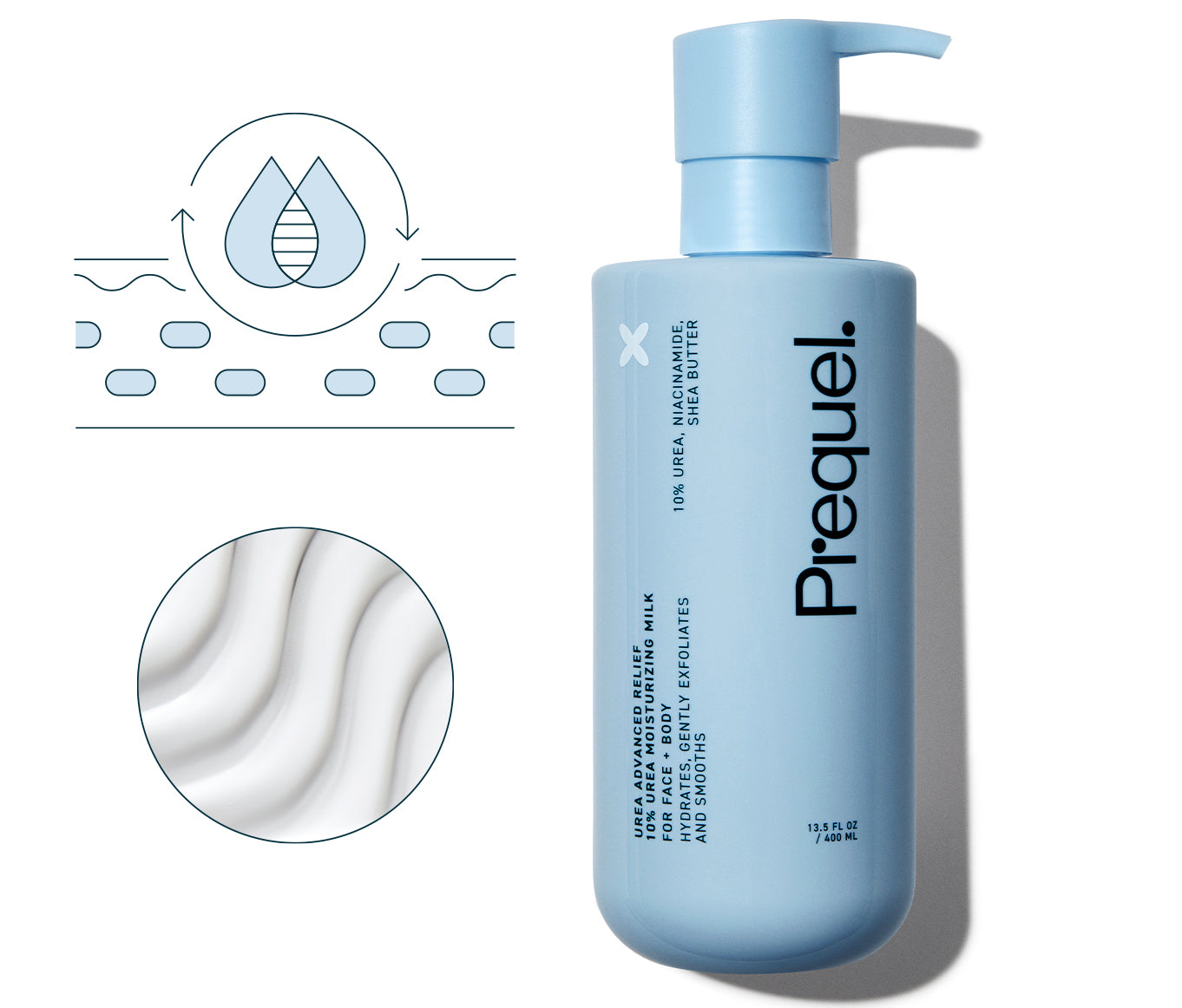
- INCI name: Look for “Urea” high on the ingredient list for strength.
- Formula type: Creams suit very dry skin. Lotions suit normal to combo skin. Gels feel light.
- Support actives: Ceramides, glycerin, and squalane boost results.
- Fewer scents: Fragrance-free or low-scent options reduce risk.
- Packaging: Tubes or pumps keep the product fresh and clean.
One common myth is that urea comes from urine. It does not. It is lab-made, stable, and clean. If you are still asking what is urea in skin care when you stand in the aisle, read the label for the percent. Match it to your need from the guide above.
Field notes and personal tips
In my work, 5–10% is the sweet spot for most people. It eases flaking within days. It smooths makeup wear. On keratosis pilaris, 10–15% twice a week helps the bumps and the look of redness.
What has not worked: going too strong, too fast. I once used 20% urea nightly on my shins in winter. It over-softened and stung. I stepped down to 10% and added a thick balm on top. The sting stopped, and the scales faded.
Try these tips
- Apply to damp skin for best hydration.
- Use socks or cotton gloves over 10–20% on heels or hands at night.
- Rotate with lactic acid if you need extra polish, but not on the same night.
- If you ask yourself what is urea in skin care good for in summer, think light lotions for ankles, knees, and arms to keep skin even.
Frequently Asked Questions of what is urea in skin care
Is urea safe for the face?
Yes, at 2–5% it is gentle and hydrating. Many sensitive skin types do well with it.
Can I use urea with retinol?
Yes, but alternate days or layer with care. Urea can ease dryness from retinol.
Does urea thin the skin?
No. It loosens dead surface cells but does not thin living skin. It helps the barrier hold water.
Is urea vegan and cruelty-free?
Yes, cosmetic urea is synthetic. Check the brand for its testing policy.
How long until I see results?
Hydration feels better within days. Texture and rough spots improve within one to three weeks.
Is urea the same as lactic acid or salicylic acid?
No. It hydrates and gently exfoliates, while those are stronger acids. Many routines use them together with care.
What is urea in skin care used for on feet and heels?
It softens thick, dry skin and helps cracks feel better. Use 20% or higher as a short-term, targeted step.
Conclusion
Urea is a simple, science-backed tool that brings quick comfort and lasting smoothness. If you came here asking what is urea in skin care, you now know it is a hydrator and a gentle smoother in one.
Choose the right percent, apply on damp skin, and build up slowly. Your skin will feel soft, even, and calm.
Ready to try it? Pick a 5–10% lotion for daily use or a 20% cream for heels. Share your questions or results, and subscribe for more easy, expert skincare guides.