

Phenoxyethanol is a widely used preservative that keeps skincare formulas stable and safe.
If you have ever asked what is phenoxyethanol in skin care and why it is in so many products, you are in the right place. I work with cosmetic chemists and test products day to day.
I will break down how it works, why brands use it, and how to judge if it fits your skin goals. This guide is clear, practical, and based on real lab and user insights.

Phenoxyethanol, in Plain Terms
Phenoxyethanol is a preservative used to stop germs in water-based products. It helps lotions, serums, and cleansers stay safe longer. It is a clear liquid with a light, rose-like scent. It is made in labs for purity and steady quality.
You may also see it called 2-phenoxyethanol on labels. It works in many types of formulas. Most brands use it at or under 1%. That level matches global safety reviews.
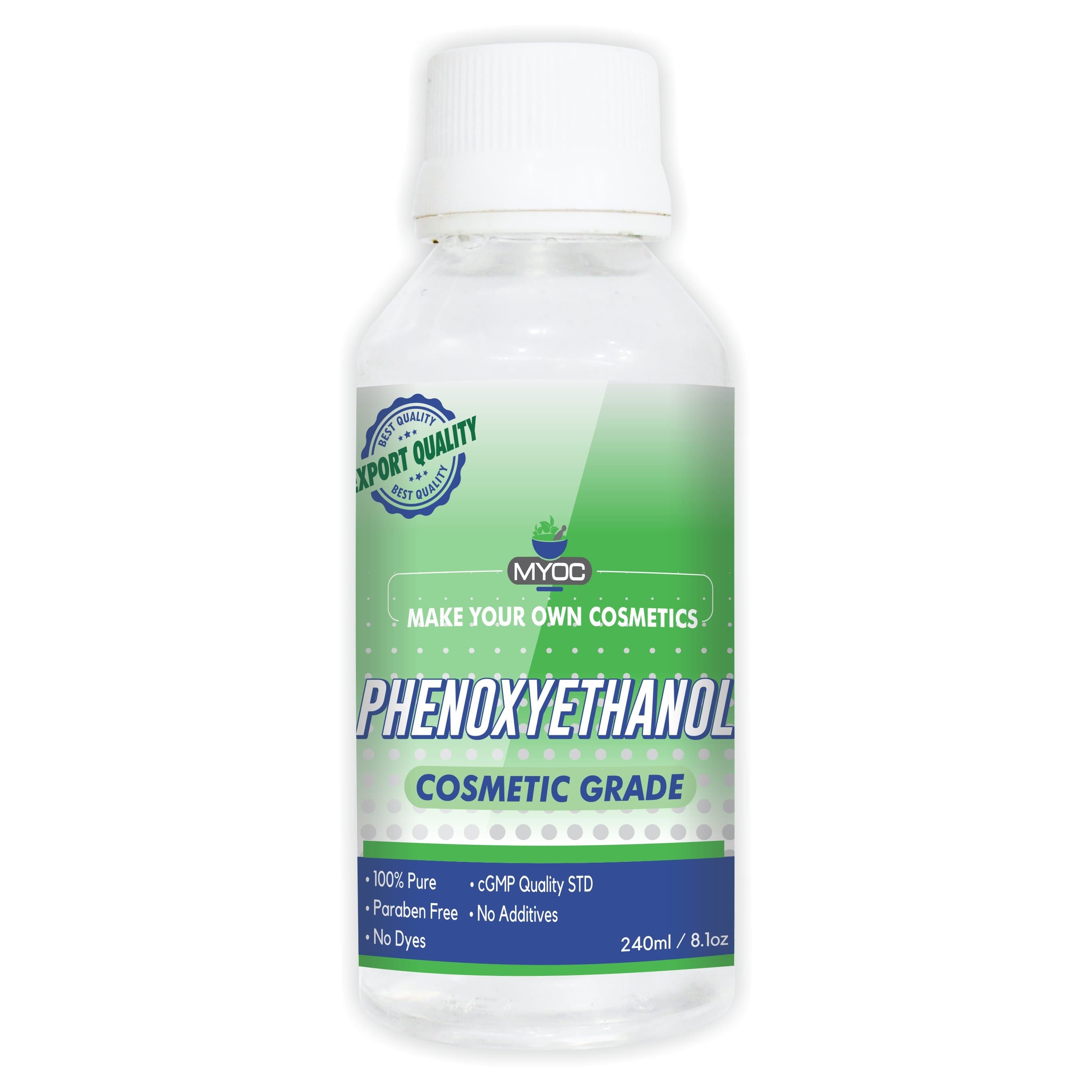
If you search what is phenoxyethanol in skin care, you will find it in both drugstore and pro lines. It is common in paraben-free products. It keeps the texture, feel, and smell from going off.
Why It Shows Up in So Many Formulas?
Brands pick phenoxyethanol because it works across a broad pH range. It is steady when you heat, cool, and ship products. It plays well with vitamins, acids, and peptides. It helps stop the growth of Gram-negative bacteria, which are hard to control.
It also supports the formula’s feel. It can act as a mild solvent for some actives. You often see it paired with ethylhexylglycerin. That blend boosts power at low levels and is gentle on skin.
For many labels, what is phenoxyethanol in skin care boils down to one thing: safe shelf life. It protects your product from the moment you open the cap to the last pump.
How Phenoxyethanol Works?
Phenoxyethanol disrupts the outer layer of microbes. This weakens their walls and stops key enzymes. The result is a lower microbe count in the bottle.
It works best from pH 3 to 10. That covers most skincare. It is also heat stable in the way most products are made. This is one reason it is so popular in global lines.
If you wonder what is phenoxyethanol in skin care from a science view, think of it as a bodyguard at the door. It keeps the bad actors out so your product stays clean.

Safety, Limits, and What Regulators Say
Independent safety panels and global regulators have reviewed phenoxyethanol. Their verdict supports use at up to 1% in rinse-off and leave-on products. Large expert groups agree that level is safe for adults and kids.
Most reactions are rare and mild, like redness or stinging in very sensitive skin. Eye area formulas need extra care to avoid irritation. Do not let infants ingest products; keep any cream off the nipple before nursing.
When readers ask what is phenoxyethanol in skin care from a safety lens, I point to the weight of data. It has a long record in the market. At proper levels, it is considered safe.
Who Should Be Careful and Why?
Most people use phenoxyethanol without issues. A small group may react. This is more likely if your skin barrier is weak.
Be extra careful if you have eczema, rosacea, or a history of contact allergies. Patch test new products on the inner arm for two days. If you feel sting on the eye area, switch to a lower level or a different base.
If you ask what is phenoxyethanol in skin care for sensitive users, the key is dose and base. A gentle base plus low levels often works well.

How to Spot It on Labels?
Look for these names on the ingredient list:
- Phenoxyethanol
- 2-Phenoxyethanol
- Ethylene glycol monophenyl ether
You often see it mid to low on the list. It shows up in paraben-free, formaldehyde-free lines. It is common in cleansers, serums, creams, mists, and sunscreens.
To answer what is phenoxyethanol in skin care when you shop: it is a label line that signals a preserved, safer formula.

Myths vs. Facts
- Myth: Phenoxyethanol is a formaldehyde donor.
Fact: It does not release formaldehyde. - Myth: It is banned in the EU.
Fact: It is allowed up to 1% with clear safety reviews. - Myth: It always irritates skin.
Fact: The sensitization rate is low and dose matters. - Myth: Natural products do not need it.
Fact: Water-based “natural” items still need a tested preservative.
If someone asks what is phenoxyethanol in skin care and why the debate, share these facts. They cut through noise.
How It Compares to Other Preservatives?
Compared with other choices, phenoxyethanol has a good balance of power and feel.
- Versus parabens: Similar low use levels. Parabens have more public concern. Many brands choose phenoxyethanol to go paraben-free.
- Versus formaldehyde donors: Gentler profile and better consumer acceptance.
- Versus organic acids: Wider pH range and less odor. Organic acids may need lower pH to work.
- Versus benzyl alcohol: Often less smell and sting.
- Versus “no preservative” claims: True “no preservative” in water-based products is risky.
So, what is phenoxyethanol in skin care at the brand level? A modern default when you want safety, pH range, and a light feel.
Practical Tips for Using Products with Phenoxyethanol
Use these habits to get the best results:
- Patch test new items for 48 hours.
- Keep caps closed and pumps clean to cut contamination.
- Store in a cool, dry spot away from sun.
- If you have very reactive skin, try one new product at a time.
- While pregnant or nursing, topical use is fine for most. Avoid use on nipples to prevent infant ingestion and ask your clinician if unsure.
People often ask what is phenoxyethanol in skin care routines with acids or retinoids. It is fine. It does not block actives.
Hands-On Insights from the Lab and Bathroom Shelf
In our pilot batches, we ran side-by-side tests. The same serum without phenoxyethanol spoiled in under two weeks at warm temps. The preserved batch stayed clean past three months. Feel, color, and scent stayed stable.
On my own skin, I notice no sting at 1% or less. My clients with eczema do best with simple bases and airless pumps. When they ask what is phenoxyethanol in skin care for them, I say it is a small helper that keeps mold and bacteria out, so their routines stay safe.
Sustainability and Environmental Notes
Phenoxyethanol is used at low levels. It is biodegradable over time, and risk to water life is tied to dose. Household use sends tiny amounts down the drain, which lowers impact.
Do not pour old products into sinks in large amounts. Wipe jars clean with a paper towel and toss in the trash. If you wonder what is phenoxyethanol in skin care from an eco view, it is a low-dose tool with a modest footprint when used as directed.
Frequently Asked Questions of what is phenoxyethanol in skin care
Is phenoxyethanol safe for daily use?
Yes, when used at or below 1% in cosmetics. Large safety reviews support daily, topical use.
Can phenoxyethanol cause acne?
It is not known to clog pores. Breakouts are more often due to heavy oils or comedogenic thickeners in the base.
Is phenoxyethanol okay during pregnancy or breastfeeding?
Topical use is generally considered safe. Avoid applying on nipples to prevent infant ingestion, and consult your clinician if unsure.
Does phenoxyethanol replace parabens?
It can replace parabens in many cases. It offers broad utility and good sensory feel without the paraben label concern.
How can I tell if a product has too much phenoxyethanol?
At legal limits, you should not smell a strong, sharp odor or feel intense sting. If you do, stop use and patch test another formula.
Is phenoxyethanol natural?
It exists in trace amounts in nature but is made synthetically for skincare. This ensures purity, consistency, and safety.
Conclusion
Phenoxyethanol is a reliable, well-studied preservative that keeps your skincare safe, stable, and pleasant to use. At up to 1%, data supports its safety for most people, including those with sensitive skin when used in gentle bases. The key is smart shopping, patch testing, and good storage habits.
Use what you learned today to scan labels with confidence and build a routine that lasts. If this helped clarify what is phenoxyethanol in skin care, subscribe for more science-made-simple guides or drop your questions in the comments.