

AHAs are water-soluble exfoliating acids that brighten, smooth, and even skin tone.
If you have ever wondered what is AHA in skin care and how it transforms dull, uneven skin, this guide is for you. I have tested these formulas on many routines and skin types. Here, you will learn how AHAs work, who should use them, and how to get clear results without irritation.

What Is AHA in Skin Care?
Alpha hydroxy acids, or AHAs, are a group of water-soluble acids from sugar, milk, or fruit. They loosen the bonds between dead cells on the skin surface. This allows dull cells to shed. Fresh, smooth skin appears. Common AHAs include glycolic, lactic, and mandelic acids.
When people ask what is AHA in skin care, they usually want to know what makes AHAs special. The answer is that AHAs exfoliate gently and evenly. They also draw water into the skin. This helps improve tone, texture, and radiance with regular use.
Over-the-counter AHA products range from about 2% to 10%. Professional peels can be much stronger. pH also matters. Lower pH means a stronger effect. Proper use can brighten skin and help reduce fine lines and spots.
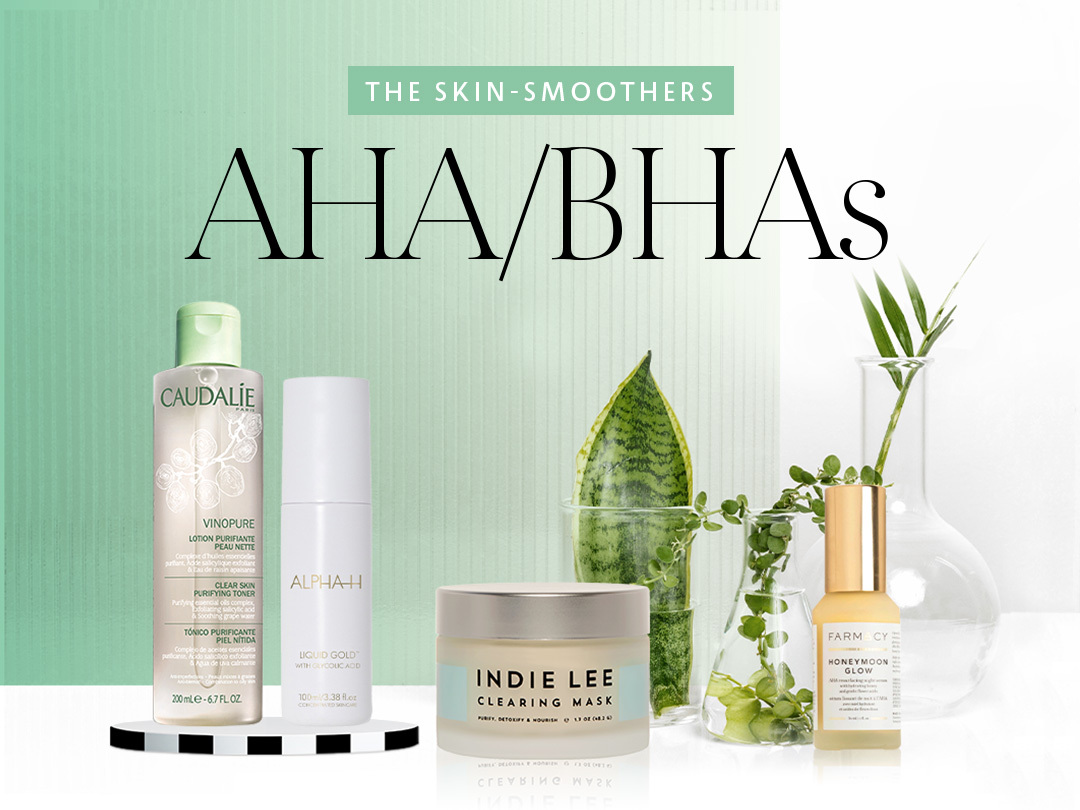
How AHAs Work on Your Skin?
AHAs break the bonds that hold dead cells together. Think of glue that keeps tiles stuck. AHAs soften that glue. The old layer lifts. The new layer looks smooth and bright.
They also hydrate the skin. Lactic acid is a humectant. It pulls water into the surface layer. This can make the skin look plump and soft.
Several studies show that AHAs can improve texture and reduce fine lines over time. They may also boost collagen with steady use. This makes pores look smaller and skin feel firm.
If you are still asking what is AHA in skin care, remember this simple idea. AHAs refine the surface and support a healthy glow. They offer both exfoliation and light hydration.
Types of AHAs and When to Use Each
Not all AHAs act the same. Size and strength matter. Here are the main types you will see on labels.
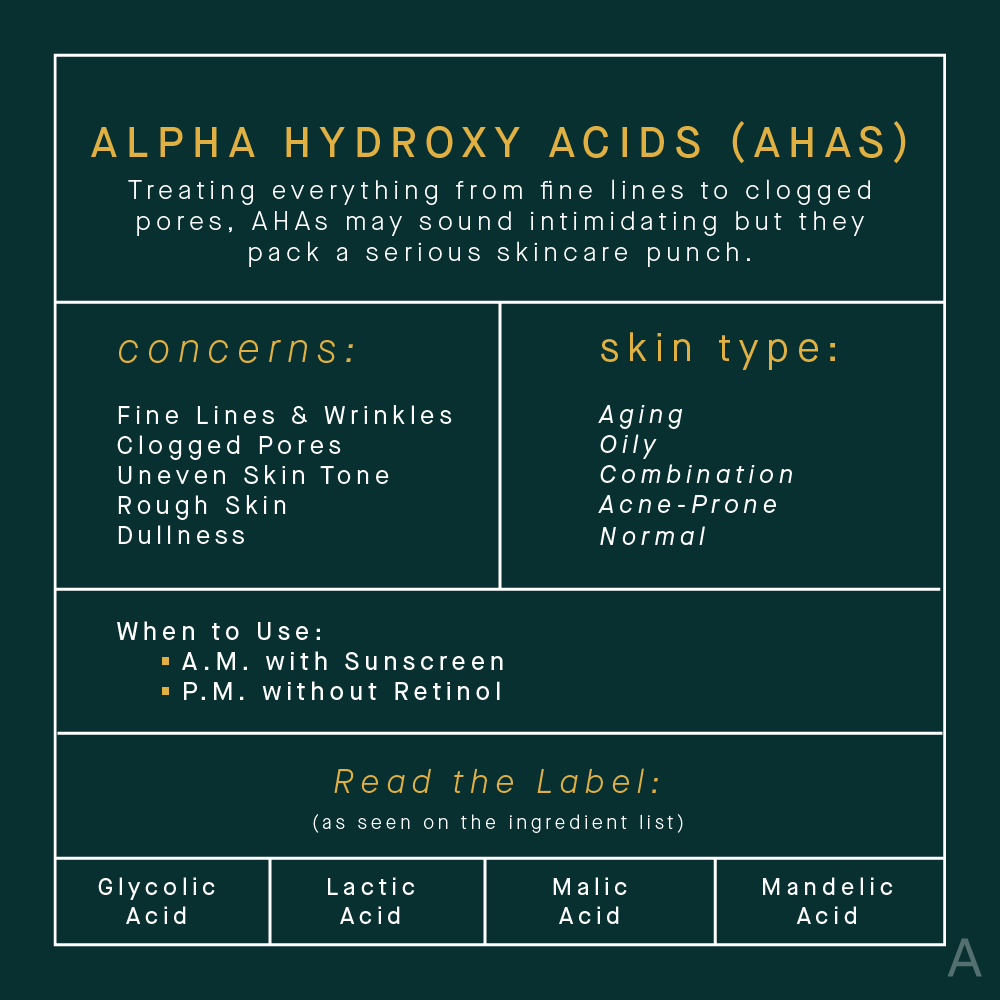
- Glycolic acid: The smallest AHA. It penetrates fast. It is strong and ideal for normal to oily skin. It helps with texture, tone, and fine lines.
- Lactic acid: Larger than glycolic. It is gentler and draws water. Great for normal to dry or sensitive skin. It supports a more even tone.
- Mandelic acid: The largest AHA here. It is very gentle. Good for sensitive, acne-prone, or deeper skin tones. It helps with dark spots and texture with less sting.
- Citric, malic, tartaric acids: These often support blends. They add mild exfoliation and antioxidant support.
People often ask what is AHA in skin care best for their skin. Here is a quick guide.
- Oily or rough texture: Try 5% to 10% glycolic in a toner or serum.
- Dry or sensitive: Start with 5% lactic, two or three nights a week.
- Acne-prone or uneven tone on deeper skin: Try 5% to 10% mandelic for a slow, steady result.
- Beginners: Choose blends at 3% to 8% for balanced action.
Benefits and Results You Can Expect
AHAs offer a wide range of benefits when used well.
- Brighter skin: Dead cells fade. Light reflects better.
- Smoother texture: Fine lines and rough patches soften.
- Fewer dark spots: Pigment rises to the surface and sheds.
- Clearer pores: Less build-up at the surface can help with clogged pores.
- Better product absorption: Serums and moisturizers penetrate more evenly.
- Improved hydration: Lactic acid helps hold water in the outer layer.
Clinical data shows that glycolic acid can improve photo-damaged skin with steady use. Lactic acid can reduce roughness and dryness. Many users see glow within one to two weeks. Dark spots and texture may take six to twelve weeks.
For readers searching what is AHA in skin care, the key benefit is simple. It is controlled exfoliation that leaves skin looking new, not raw.
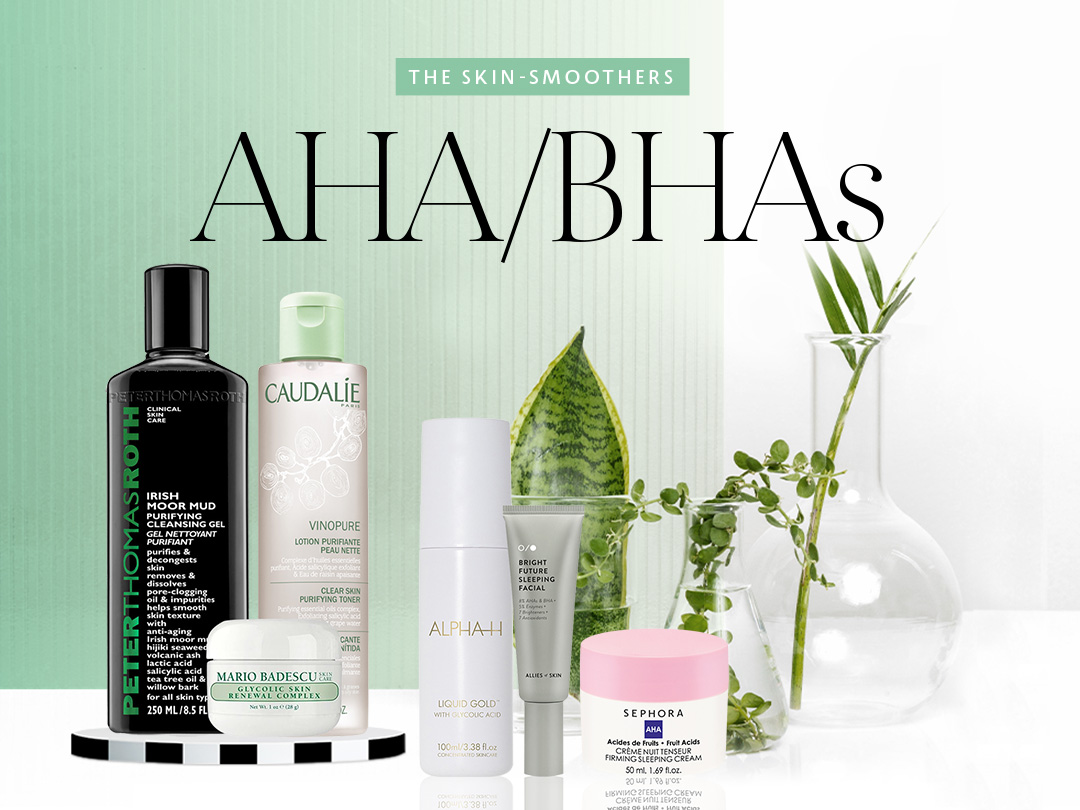
Risks, Side Effects, and Who Should Avoid
AHAs are potent. You must use them with care.
- Irritation and redness: Start low and slow. Patch test first.
- Barrier damage: Overuse can cause dryness and stinging.
- Sun sensitivity: AHAs can make skin more sensitive to UV. Use SPF 30 or higher every day.
- Not ideal for active eczema or broken skin: Wait until the skin calms.
If you ask what is AHA in skin care risk, it is mostly over-exfoliation. Respect your barrier. Increase use only if your skin stays calm for two weeks.
People on prescription retinoids should be careful. Do not add strong AHAs daily. Space actives out on alternate nights.
How to Choose and Use AHAs Correctly?
Product choice is half the battle. Here is how to pick the right one and apply it well.
Choosing
- Start with 3% to 8% if you are new. Look for pH around 3 to 4.
- Select form factors you enjoy. Toners, serums, or lotions can all work.
- Choose lactic or mandelic if you are sensitive.
- Check the label for soothing agents. Look for aloe, panthenol, or allantoin.
- For body care, try 10% to 12% lotions on rough arms or heels.
Using
- Patch test on the jaw or behind the ear for two nights.
- Begin two or three nights per week. Increase only if skin is calm.
- Apply to clean, dry skin. Wait one to three minutes. Then moisturize.
- Use sunscreen each morning. This is not optional.
Pairing with other actives
- Retinoids: Alternate nights. This reduces irritation.
- Vitamin C: Use vitamin C in the morning and AHAs at night. Or separate by several hours to reduce sting.
- Niacinamide: Pairs well. It soothes and supports the barrier.
- BHAs: You can alternate days. This helps if you have clogged pores.
- Benzoyl peroxide: Use on separate nights to avoid dryness.
Many people type what is AHA in skin care routine order into search. The answer is cleanse, AHA, hydrating serum, and moisturizer. Keep it simple. Adjust only when your skin is stable.
Real-World Tips and Mistakes to Avoid
From years of testing products and building routines, I have learned a few rules.
- Less is more: One AHA product is enough. Layering two can burn.
- Learn your skin’s rhythm: Some skin loves three nights per week. Some only one.
- Hydrate and buffer: If you sting, apply a light moisturizer first. Then AHA on top. This buffers the effect.
- Do not chase the tingle: A slight tingle can happen. A strong burn is a red flag. Rinse and apply a bland moisturizer.
- Cycle during seasons: Use more in humid months. Cut back when air is dry. Repair your barrier when the weather changes.
I once coached a client who asked me what is AHA in skin care and why her skin looked red. She was using a 10% glycolic every night plus a retinoid. We cut AHA to twice a week. We added a ceramide cream. Within 14 days, the redness and flaking stopped. Her glow stayed.

What Science and Safety Guidelines Say?
Research supports the use of AHAs for photoaging, rough texture, and discoloration. Glycolic and lactic acids have the most data. They show improvements in smoothness, tone, and fine lines with routine use.
Regulatory guidance in many regions allows up to about 10% AHA in leave-on products for home use. A pH of 3.5 or higher is often recommended for consumer safety. Labels may include a sunburn alert. Always use daily sunscreen with AHAs.
If you still wonder what is AHA in skin care from a safety view, here is the bottom line. Use a modest strength. Watch your skin. Protect with SPF. Stronger peels should be done by trained pros.
Frequently Asked Questions of what is aha in skin care
Is AHA good for acne?
AHAs help with surface clogs and post-acne marks. For deep, oily pores, pair with a BHA on alternate days.
Can I use AHA every day?
Some can, but it is not needed. Start two or three nights a week and increase only if your skin stays calm.
Is AHA safe during pregnancy?
Glycolic and lactic acids at low levels are commonly used. Always check with your healthcare provider to be sure.
Can I use AHA with retinol?
Yes, but alternate nights at first. This reduces dryness and cuts the risk of irritation.
What percentage of AHA should beginners use?
Start with 3% to 8%. Move up only after four weeks if your skin stays comfortable.
Does AHA lighten dark spots?
Yes, with steady use. It speeds up cell turnover and can fade spots over six to twelve weeks.
Should I use AHA in the morning or at night?
Night is best for many people. Always use sunscreen the next day, since AHAs raise sun sensitivity.
Conclusion
AHAs are proven, effective tools for smoother, brighter, and more even skin. When you understand what is AHA in skin care, you can choose the right acid, the right strength, and a routine that fits your life. Start low, go slow, and protect your barrier.
Put these steps into action tonight. Patch test, plan your schedule, and track your skin for four weeks. If you found this guide helpful, subscribe for more science-based skincare tips or share your questions in the comments.