

Apply retinol at night, after cleansing and drying, then seal with moisturizer.
If you have wondered when to apply retinol in skin care routine, you are not alone. I test formulas, read dermatology research, and coach readers through real routines.
This guide explains the exact order, the best time, and smart layering. You will learn simple steps that work and avoid common mistakes that stall results.
Why timing matters with retinol?
Retinol is a vitamin A derivative. Your skin turns it into retinoic acid. That is the active form that boosts collagen, clears pores, and evens tone. It can also cause dryness and sensitivity, so timing and order matter.
Light and air can break down some retinol formulas. Night use is a safer bet for stability and comfort. Using retinol at night also reduces the chance of sun-triggered irritation the next day.
From my own testing, I get better tolerance when I use retinol on calm, dry skin. I avoid piling on many strong actives in one go. If you ask when to apply retinol in skin care routine, the best answer balances skin biology with product design.

Exact order: when to apply retinol in skin care routine
If you want a simple, clear order, here is what to do. This step-by-step plan works for most beginners and seasoned users.
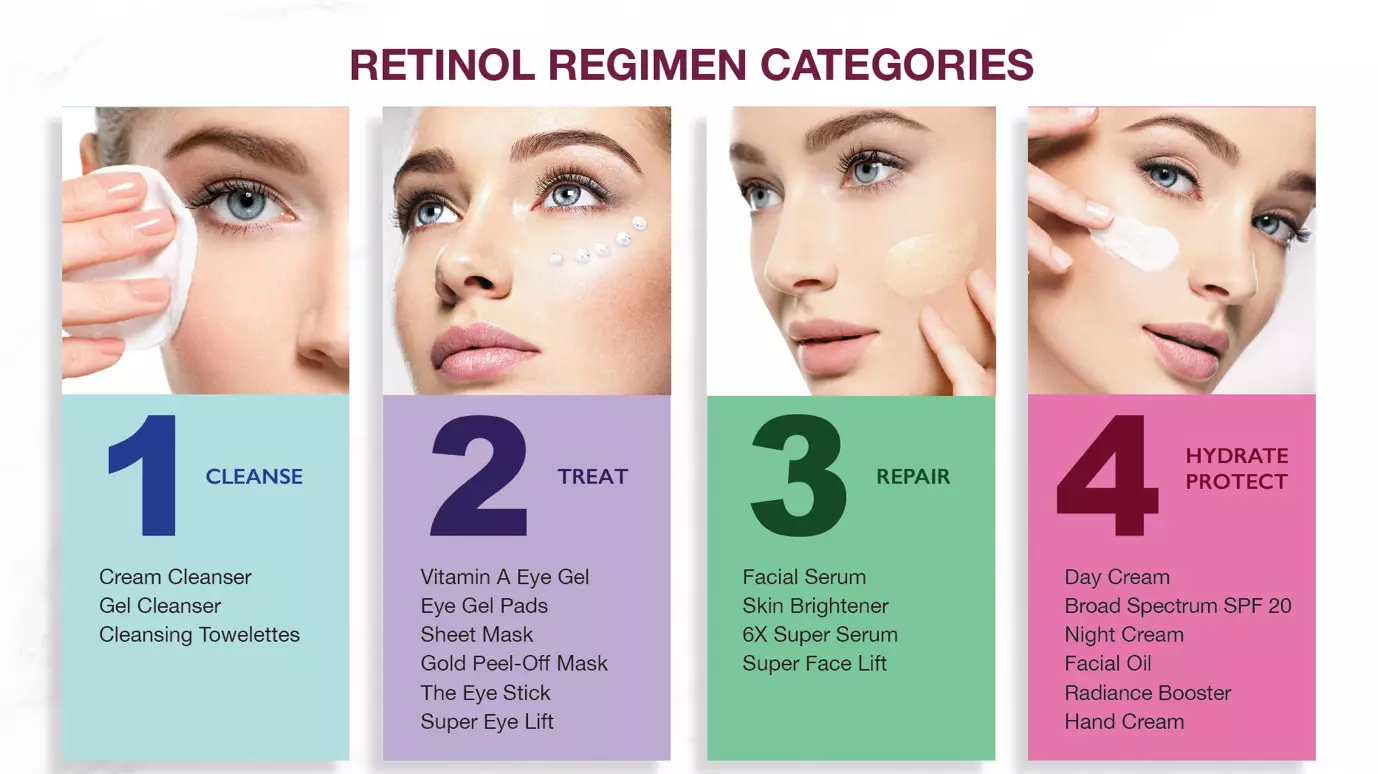
- Cleanse: Use a gentle, non-stripping cleanser at night.
- Dry completely: Pat dry and wait 5 to 10 minutes if you are sensitive.
- Apply retinol: Use a pea-size amount for the whole face.
- Moisturize: Seal with a hydrating cream to reduce dryness.
- Eye and lip care: Use a bland balm on corners and lips to protect.
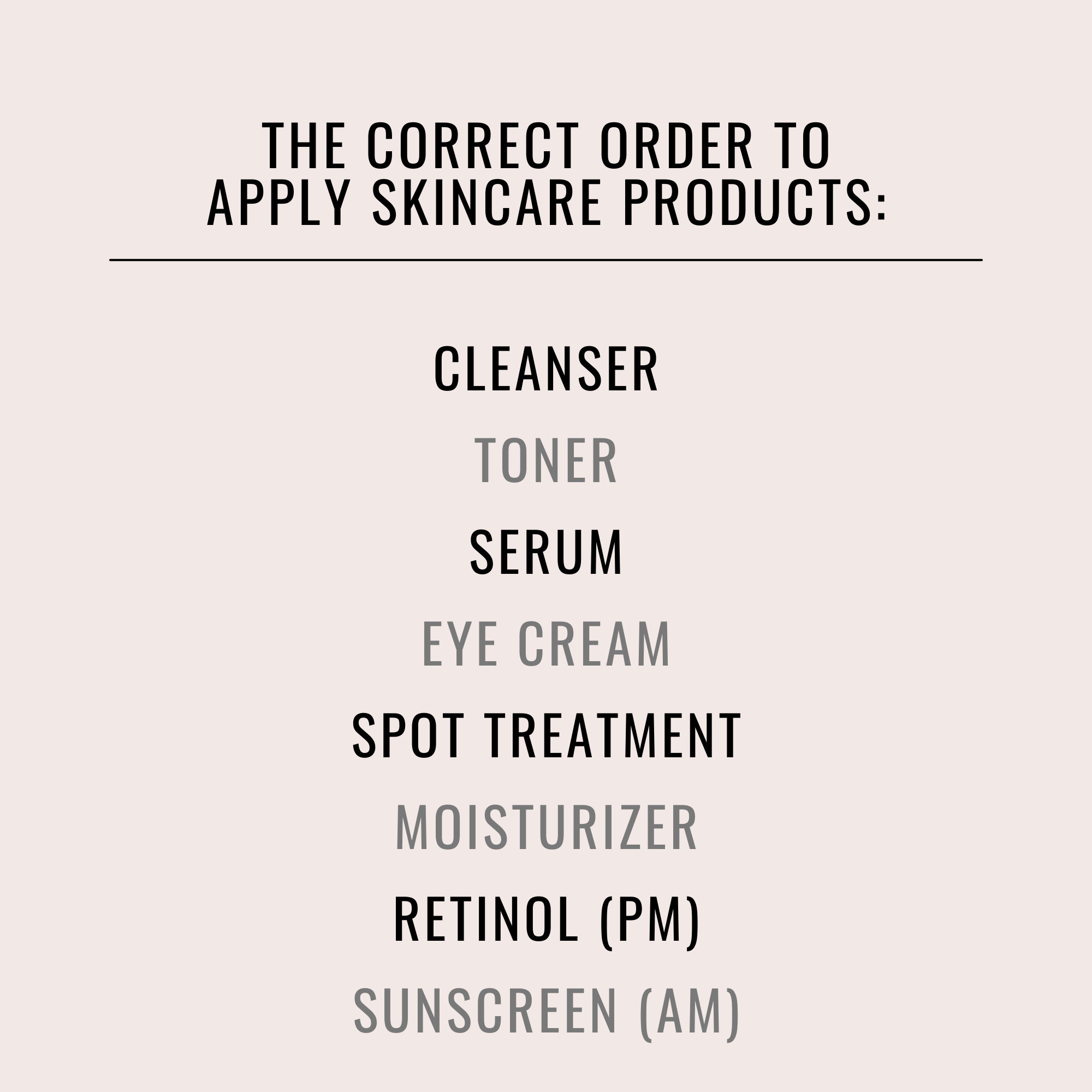
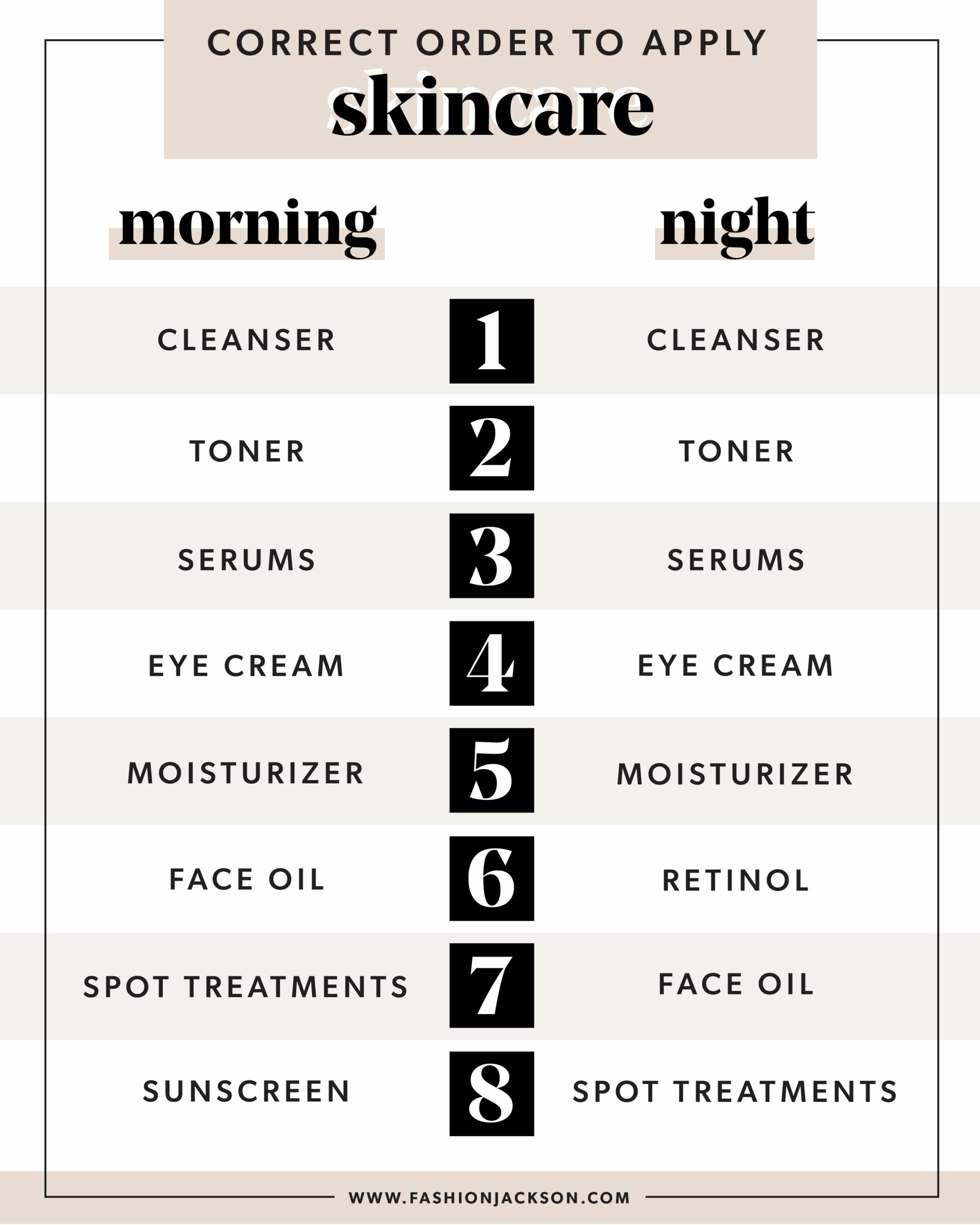
If you still wonder when to apply retinol in skin care routine, place it right after cleansing and drying, and before a rich moisturizer. For very sensitive skin, try the sandwich method. Apply moisturizer, then retinol, then another thin layer of moisturizer.
On the neck, chest, and hands, start slower. Use a half pea-size spread thin. These areas can react faster.
How often and how much to use?
Start low and slow. This reduces the risk of irritation and boosts long-term success.
- Strength: Begin with 0.1% to 0.3% retinol. Move to 0.5% to 1% only when skin is calm.
- Amount: Use one pea for the face. Use a half pea for neck and chest combined.
- Frequency: Start 1 to 2 nights a week. Build to 3 to 5 nights as tolerated.
A steady plan beats a strong start. If you ask when to apply retinol in skin care routine as you progress, keep nights consistent. Log changes in a simple note on your phone. Watch for dryness, peeling, or sting.
Evidence from dermatology practice shows that consistent, moderate use gives better results than bursts of overuse. Small steps lead to fewer setbacks.

Layering do’s and don’ts
Retinol plays well with some ingredients. Others need spacing. Good pairing helps comfort and results.
- Pair well
- Niacinamide: Calms redness and supports the skin barrier.
- Hyaluronic acid: Adds water and reduces the feel of dryness.
- Ceramides and squalane: Seal in moisture and reduce flaking.
- Peptides: Gentle support for firming routines.
- Use on alternate nights
- AHAs and BHAs: Lactic, glycolic, or salicylic acid can be too strong together.
- Strong vitamin C serums: Use vitamin C in the morning, retinol at night.
- Benzoyl peroxide: Many modern formulas can coexist, but alternating nights lowers irritation.
- Avoid at the same time
- Harsh scrubs and micro-needling at home: Risk of over-exfoliation.
- Fragrance-heavy products: May raise sting.
If you think about when to apply retinol in skin care routine with other actives, aim for clean, simple layers at night. Save acids or vitamin C for separate times. This keeps the barrier happy.
Adjust for your skin type and goals
Skin type changes how you decide when to apply retinol in skin care routine. Tune your plan to your needs.
- Oily and acne-prone skin: Use a gel or light serum. Start 3 nights a week. Pair with a simple gel moisturizer.
- Dry or mature skin: Use a cream-based retinol. Sandwich with moisturizer. Add ceramides and fatty alcohols.
- Sensitive or rosacea-prone skin: Choose micro-encapsulated retinol. Start once a week. Use the sandwich method. Avoid other strong actives at first.
- Hyperpigmentation concerns: Consistent night use plus daily sunscreen helps fade spots. Add azelaic acid on alternate mornings if tolerated.
- Texture and pores: Gentle, steady use smooths corners and tightens look of pores over time.
A note on life stages. Retinoids are not advised during pregnancy. Many clinicians also suggest avoiding while nursing. When in doubt, speak with your healthcare provider.

Source: healthline.com
Morning care and sun protection
Retinol can make skin more sensitive. Daily sun care is not optional. It is part of the plan.
- Use a broad-spectrum SPF 30 or higher every morning.
- Reapply every two hours outdoors.
- Wear hats and seek shade at peak sun.
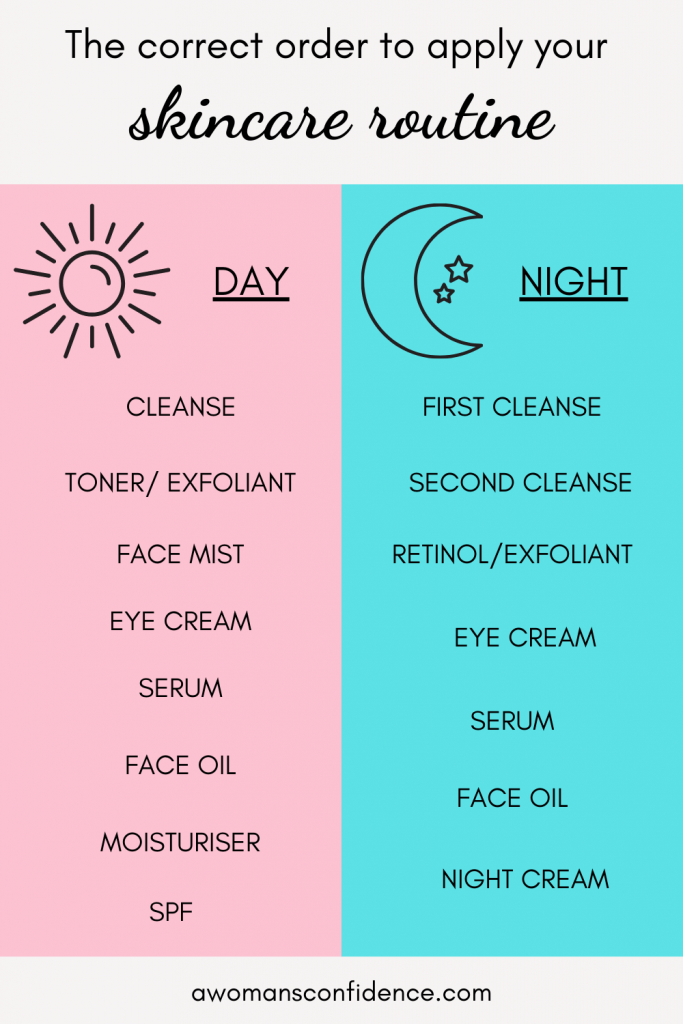
A clean morning routine pairs well with night retinol. Try this flow:
- Cleanse or rinse with water if needed.
- Apply a gentle antioxidant serum if you like.
- Moisturize based on your skin type.
- Finish with sunscreen.
If you still ask when to apply retinol in skin care routine, think night for retinol and day for sunscreen. That simple split protects gains and prevents setbacks.
Source: awomansconfidence.com
Common mistakes and how to fix them
Small errors can stall progress. These fixes help a lot.
- Using too much: More is not better. Stick to a pea-size.
- Skipping moisturizer: This raises dryness. Always seal.
- Stacking actives: Keep acid peels, scrubs, and retinol apart.
- Quitting too soon: Mild dryness in week one is normal. Ease off, do not stop fully unless you have strong irritation.
- Ignoring lips and corners: Use balm at the edges of nose, mouth, and eyes.
This is also where I leaned the most. I once stacked an AHA toner under a new 0.5% retinol. I peeled for a week. Spacing them on different nights fixed everything. My skin looked calm within days.
If you ever feel lost about when to apply retinol in skin care routine after a setback, return to basics. Night use, pea-size, moisturizer, sunscreen in the day.
Weekly schedule ideas
Here are simple plans you can copy and adjust. They reduce clash and keep skin happy.
- Beginner plan
- Monday: Retinol night
- Wednesday: Retinol night
- Friday: Hydration only, no actives
- Intermediate plan
- Monday, Thursday, Saturday: Retinol nights
- Tuesday: Gentle AHA or azelaic acid
- Other nights: Moisturize and rest
- Advanced plan
- Monday, Wednesday, Friday, Sunday: Retinol nights
- One exfoliation night only if fully tolerated
Adjust these based on your skin’s feel. If dryness rises, cut one retinol night and add a barrier cream. Keep asking yourself when to apply retinol in skin care routine as you tweak the week. Consistency wins.
Storage, application zones, and safety notes
Smart storage and mindful use protect potency and comfort.
- Storage: Keep retinol in an opaque, airless pump if possible. Store cool and away from light.
- Application zones: Avoid eyelids at first. You can edge closer over time with a low-strength formula designed for eyes.
- Patch test: Try on the inner forearm or behind the ear for a few days before face use.
- Medical care: If you have eczema, psoriasis, or are on acne meds, talk to your clinician first.
Clinical guidance and trials support night use, pea-size dosing, and sunscreen daily. These habits set a safe base. If you wonder when to apply retinol in skin care routine for special cases, a personalized consult can refine the plan.
Frequently Asked Questions of when to apply retinol in skin care routine
Can I use retinol in the morning?
You can, but night is better for comfort and stability. Morning use also demands strict sunscreen and may raise irritation risk.
Do I need to wait after cleansing before applying retinol?
If your skin is sensitive, wait 5 to 10 minutes so skin is fully dry. This small pause can reduce sting and redness.
Can I use retinol with vitamin C?
Yes, but use vitamin C in the morning and retinol at night. This split reduces irritation and keeps both effective.
How long until I see results?
Most people see smoother skin in 4 to 8 weeks. Dark spots and fine lines may take 12 weeks or more.
What should I do if my skin peels?
Cut back to once a week and add more moisturizer. When skin calms, increase slowly as tolerated.
Conclusion
A strong retinol routine is simple: cleanse, dry, apply a pea-size at night, moisturize, and use sunscreen every morning. Build slowly, pair with gentle hydrators, and split strong actives across the week. With steady habits, you will see smoother texture, clearer pores, and a brighter tone.
Start tonight with the basics. Track your skin for two weeks. Then fine-tune your plan with small changes. If this guide helped, share it, subscribe for more skin care playbooks, or leave a comment with your routine wins and questions.