

BHA is oil-soluble salicylic acid that unclogs pores, smooths skin, and treats acne.
If you have ever asked what is BHA in skin care, you are in the right place. I help people pick, use, and layer acids without wrecking their barrier.
In this guide, I explain what BHA is, how it works, who needs it, and how to build a routine that gets results without irritation. Expect clear steps, research-backed tips, and real-world advice you can use today.
What is BHA in skin care and how does it work?
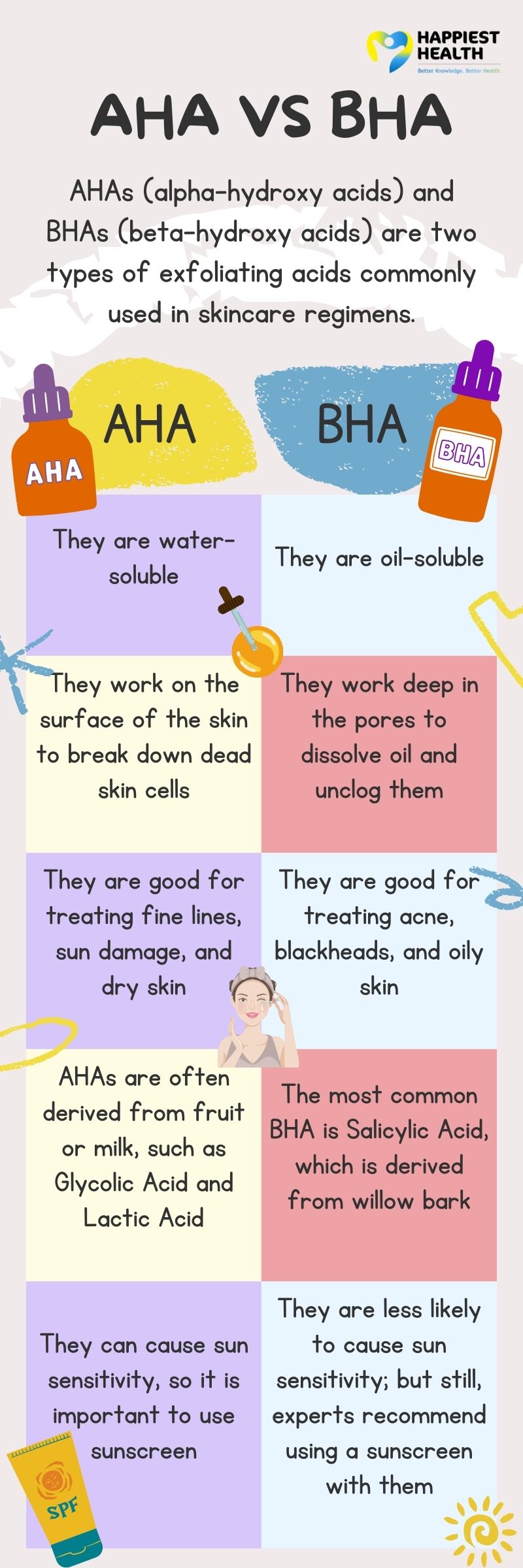
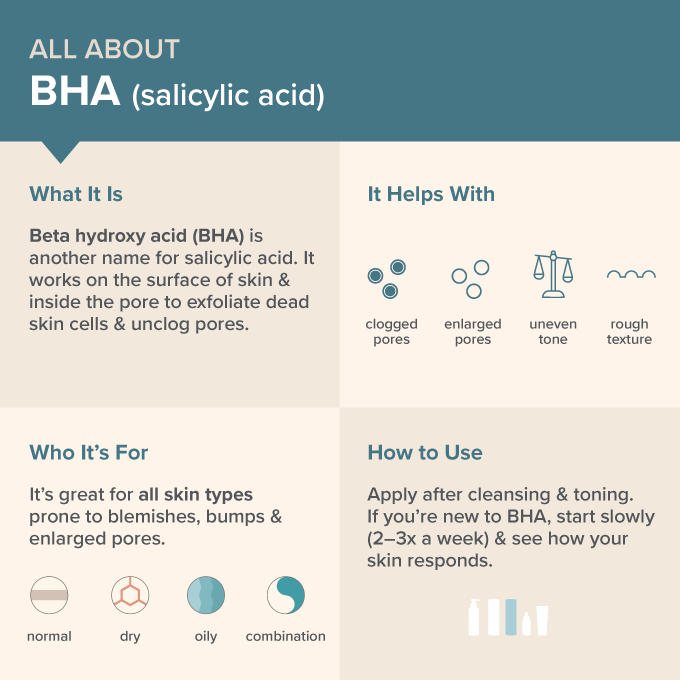
BHA stands for beta hydroxy acid. In skin care, BHA almost always means salicylic acid. It is oil-soluble, so it moves through sebum and dives into pores. That is why it helps with blackheads, whiteheads, and clogged pores.
Here is the simple science. BHA breaks the bonds between dead skin cells. This process is called keratolysis. It helps dead cells shed in a smooth way.
BHA is also comedolytic, which means it helps clear and prevent comedones. It has a mild anti-inflammatory effect, so it can calm red, angry spots.
Lab and clinical studies show salicylic acid works best at a pH around 3 to 4. Leave-on formulas in the 0.5 to 2 percent range are standard for daily or near-daily use. For peels, higher strengths are used by pros.
If you search what is BHA in skin care to fix breakouts, think of BHA as a drain cleaner for pores. It clears the gunk, reduces oil, and smooths texture over time. Expert groups and dermatology reviews support these benefits when used as directed.
Key benefits and results you can expect
BHA is not a trend. It is a proven step with clear results when used well.
- Fewer blackheads and whiteheads. BHA dissolves the mix of oil and cells that block pores.
- Smoother texture. It reduces rough patches and helps makeup sit better.
- Less oil and shine. It can balance sebum over time without stripping.
- Fewer breakouts. It helps keep pores clear so pimples form less often.
- Smaller-looking pores. It does not change pore size, but clear pores look smaller.
- Faster fade of post-acne marks. By speeding cell turnover, it helps dark spots fade.
If you wonder what is BHA in skin care good for beyond acne, it also helps with keratosis pilaris, ingrown hairs, and some forms of scalp buildup when used in the right format.
Who should use BHA and who should avoid it?
Knowing what is BHA in skin care is only half the story. The other half is fit.
Great fits
- Oily or acne-prone skin. BHA is a top choice for clogged pores.
- Blackheads and sebaceous filaments. It helps clear the dark dots on the nose and chin.
- Texture and dullness. It smooths rough spots and boosts glow.
- KP on arms or thighs. BHA can soften bumps with steady use.
Use with care or avoid
- Aspirin allergy. Salicylic acid is a salicylate, so avoid it.
- Pregnancy and nursing. Many doctors advise caution with large-area leave-ons. Ask your provider.
- Very dry, cracked, or eczema-prone skin. Start slow or choose a gentler plan.
- Rosacea. Some do well, others flare. Patch test first and watch for signs of sting or redness.

How to use BHA correctly?
You now know what is BHA in skin care. Next is the how.
- Patch test first. Try a small spot near the jaw for two nights.
- Start low and slow. Use 0.5 to 1 percent two to three nights a week.
- Apply on clean, dry skin. Wait a minute after cleansing, then apply a thin layer.
- Hydrate after. Follow with a simple moisturizer to protect your barrier.
- Use sunscreen daily. Acids can make skin more sun-sensitive.
- Adjust as needed. If skin is happy, increase to daily use or move to 2 percent.
Signs you are overdoing it include stinging, tightness, flakes, and new redness. If that happens, stop for a few days, then restart at a lower frequency.

Choosing the right BHA product
If you are still asking what is BHA in skin care when you view shelves, here is a simple map.
Formats
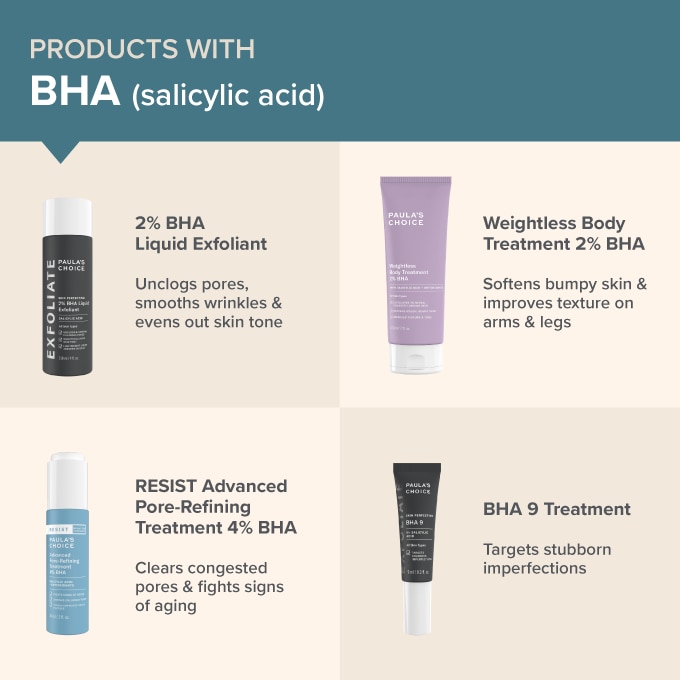
- Leave-on toner or liquid. Great for fast, even pore access.
- Serum or gel. Easier to layer and target. Often less sticky.
- Cleanser. Good for very sensitive skin since contact time is short.
- Body lotion or spray. Best for KP, bacne, or ingrowns.
Key specs to check
- Concentration. 0.5 to 2 percent for leave-on face use is standard.
- pH. A pH around 3 to 4 tends to work well.
- Support cast. Look for humectants like glycerin, soothing agents like panthenol or green tea, and barrier helpers like squalane.
- Fragrance. Fragrance-free is safer for sensitive or acne-prone skin.
I often place clients on a 1 to 2 percent leave-on at night, then a bland moisturizer. For very oily skin, a BHA toner in the morning can help with midday shine.
Layering BHA with other actives
When people ask what is BHA in skin care and how it fits with other steps, this is my simple guide.
Great pairs
- Niacinamide. Helps with oil control and redness. Easy to layer.
- Azelaic acid. Targets spots and bumps with little sting.
- Lightweight hydrators. Use glycerin or hyaluronic acid to offset dryness.
Use with care
- Retinoids. Alternate nights or apply retinoids on top of dry skin after waiting time.
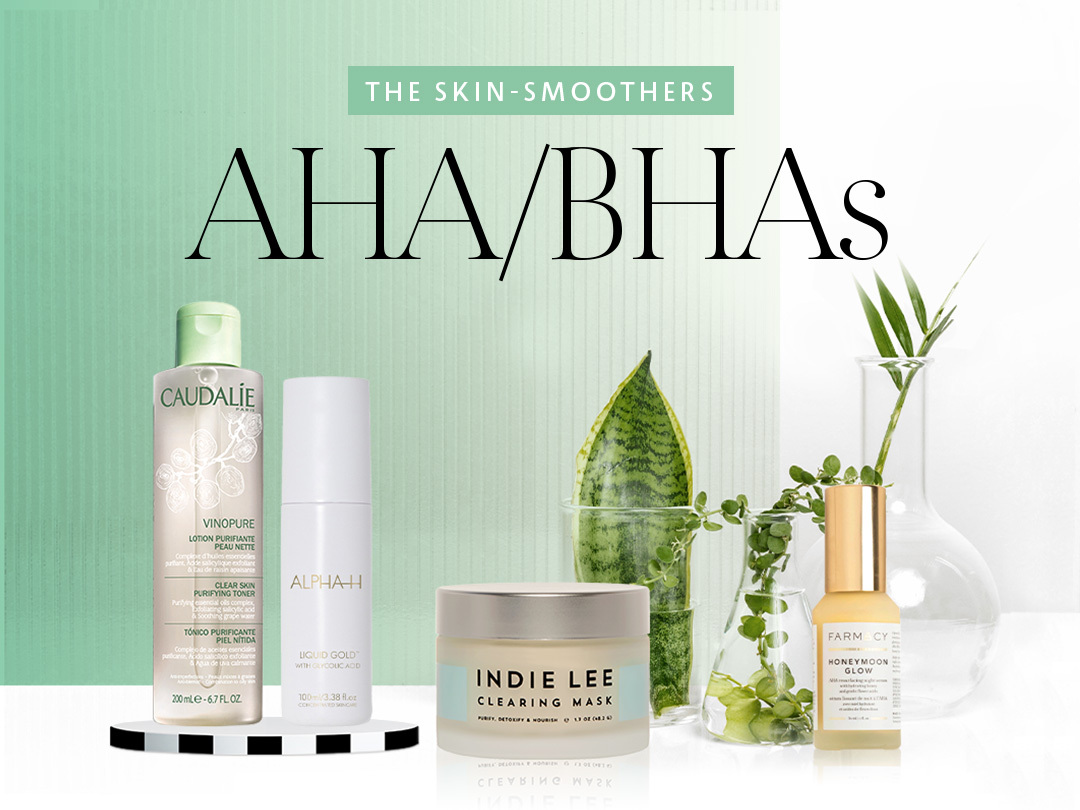
- AHAs like glycolic or lactic acid. Combine only if your skin is strong and add slowly.
- Vitamin C acids. Many prefer vitamin C in the morning and BHA at night.
- Benzoyl peroxide. Use at different times of day to reduce irritation.
One simple plan
- Morning. Cleanser, vitamin C, moisturizer, sunscreen.
- Night A. Cleanser, BHA, moisturizer.
- Night B. Cleanser, retinoid, moisturizer.
Personal insights and common mistakes to avoid
What is BHA in skin care taught me most is patience wins. The biggest mistake I see is chasing quick results with daily, high-strength use. That often ends with a tight, shiny face and more breakouts.
Lessons from the field
- Less is more. A thin layer works better than repeated coats.
- Mind the wait. Give it two to four weeks for blackheads to lift.
- Watch for purging. Small, surface pimples may pop up first in clog-prone zones. This should settle in six to eight weeks.
- Keep the rest simple. Pair BHA with gentle cleanser, plain moisturizer, and SPF.
- Do not skip sunscreen. UV undoes your gains and deepens spots.
My go-to fix for irritation is to stop BHA for three days, use a bland routine, and reintroduce at a lower rate. It works almost every time.

The science and safety of BHA
Dermatology reviews and clinical trials back salicylic acid for acne and comedones. Over-the-counter leave-ons up to 2 percent are widely used and well tolerated. Professional peels use higher strengths under expert care.
Safety notes
- Dose matters. Use small amounts and avoid large body areas at once.
- Do not use on open wounds or after shaving the same area.
- Avoid if you have a known salicylate sensitivity.
- Ask a doctor if pregnant, nursing, or using anticoagulants.
- Always pair with daily SPF 30 or higher.
These points may sound strict, but they keep your barrier safe and results steady.
Myths and facts about BHA
Myth
- BHA makes pores smaller forever.
Fact - Pore size is genetic. Clean pores only look smaller.
Myth
- Stronger is always better.
Fact - The right pH, steady use, and barrier care beat high strength.
Myth
- BHA bleaches skin.
Fact - It does not bleach. It evens tone by improving cell turnover.
Myth
- You must feel a sting for it to work.
Fact - No sting is fine. Effect depends on formula, not discomfort.
Myth
- You cannot mix BHA with anything.
Fact - You can layer with many actives if you build slowly and watch your skin.
Frequently Asked Questions of what is bha in skin care
What is BHA in skin care and is it the same as salicylic acid?
Yes. In over-the-counter products, BHA is salicylic acid, a beta hydroxy acid that is oil-soluble. It clears pores and smooths skin.
How long does BHA take to work?
Many see smaller-looking pores and less oil in two weeks. Blackheads and texture improve in four to eight weeks with steady use.
Can I use BHA every day?
Many can use 1 to 2 percent daily at night once skin adapts. Start two to three times a week and increase if no irritation shows.
Is BHA safe for sensitive skin?
Yes, with care. Use a gentle cleanser, a lower strength, and lots of moisturizer, and avoid layering with strong actives at first.
Does BHA help with dark spots?
It can help fade post-acne marks by speeding turnover and reducing inflammation. For deeper spots, pair with sunscreen and targeted brighteners.
What should I avoid when using BHA?
Avoid over-exfoliating, skipping sunscreen, and mixing too many strong actives at once. Watch for signs of dryness or sting and adjust.
Can teens use BHA?
Yes, many teen acne routines include 0.5 to 2 percent BHA. Keep the routine simple and add products one at a time.
Conclusion
BHA is a smart, science-backed tool for clear, smooth, low-shine skin. It reaches into pores, breaks up clogs, and calms the look of spots. With the right strength, slow build, and strong SPF habits, it delivers steady, lasting results.
If you came here asking what is BHA in skin care, now you have the why, the how, and the when. Try a gentle 1 to 2 percent formula, use it two to three nights a week, and let your skin guide the pace. Ready to level up your routine? Explore our related guides, subscribe for updates, or drop your questions in the comments.