

Glycerin is a water-loving humectant that pulls moisture into your skin.
If you have ever asked what is glycerin in skin care, you are in the right place. I work with formulas every day and see how this humble ingredient transforms dry, tight skin into soft, bouncy skin.
Here, I break down what is glycerin in skin care, how it works, who needs it, and how to use it like a pro.
What Is Glycerin and How It Works?
Glycerin, also called glycerol, is a clear, syrupy liquid. It is a humectant. That means it attracts water and holds it in the skin. It can come from plant oils or from synthetic sources. Both work the same.
If you wonder what is glycerin in skin care, think of a tiny water magnet. It pulls water from the air and from deeper layers of skin. This boosts hydration in the outer layer of skin, the stratum corneum. Studies show it also helps skin enzymes work better, so the barrier stays smooth and flexible.
In simple terms, what is glycerin in skin care? It is a base ingredient that helps almost any routine. It plays well with actives and rich creams. It also helps formulas stay stable and feel nice on the skin.
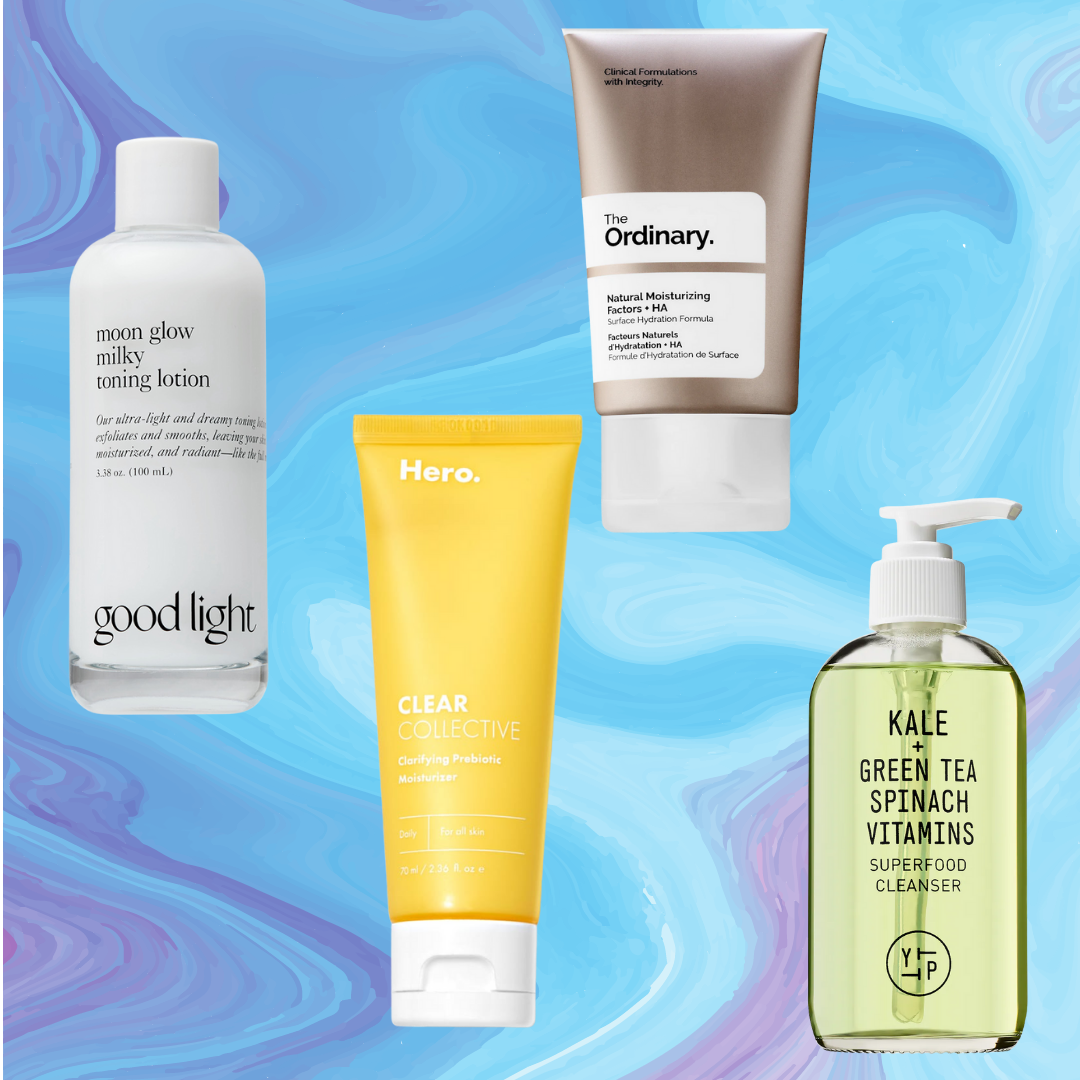
Proven Benefits for Skin
Glycerin has decades of research behind it. It is not a trend. It is a workhorse.
- Deep hydration: It reduces water loss and keeps skin moist for hours after use.
- Stronger barrier: It helps lipids and proteins line up well. This makes skin less prone to flaking and irritation.
- Smooth texture: It makes rough patches feel soft and even.
- Better elasticity: Hydrated skin looks more plump and moves better.
- Support for healing: It helps stressed skin bounce back after actives or cold weather.
Here is why this matters for what is glycerin in skin care. You get steady, reliable moisture without clogging pores. You also get a base that helps other ingredients shine.
Who Should Use Glycerin?
Glycerin suits almost all skin types. The trick is how you layer it and what else you use.
- Dry or dehydrated skin: Use it day and night under a cream.
- Oily or acne-prone skin: Use a light toner or gel with 2 to 5 percent glycerin.
- Sensitive skin: Pick simple formulas with glycerin high on the list.
- Mature skin: Pair glycerin with ceramides and peptides for bounce.
- Humid or dry climates: In dry air, seal it with an occlusive cream. In humidity, a gel is enough.
If you still ask what is glycerin in skin care for your skin type, the answer is simple. It is your base layer for water, comfort, and balance.

How To Use Glycerin in Your Routine?
You can use glycerin in many formats. Serums, toners, cleansers, and creams all use it.
- After cleansing, pat on a toner or serum with glycerin while skin is damp.
- Seal with a cream or sunscreen to lock in water.
- At night, layer an occlusive if air is dry or if you sleep near a fan.
- For hands and body, choose higher glycerin levels for rough spots.
A common question is what is glycerin in skin care when used alone. Pure glycerin can feel sticky and may sting. It is best in blends at 2 to 10 percent for face care.

Safety, Side Effects, and Myths
Glycerin is very safe and well studied. It is non-comedogenic and suits acne-prone skin. Most people have no issues at normal levels.
- Possible stickiness: Higher levels can feel tacky. Balance it with light oils or silicones.
- Dry air myth: Some say glycerin pulls water out of skin in dry rooms. In practice, well-made products with glycerin still hydrate. The fix is easy. Add a cream to seal.
- Eye area: Many gels with glycerin are fine around eyes. Stop if you feel sting.
When we talk about what is glycerin in skin care safety, the record is strong. Peer-reviewed data and decades of use support it.

Ingredient Pairings and Formulation Insights
Glycerin works best with a team. Here is how to make it sing.
- With hyaluronic acid: HA grabs water. Glycerin helps spread and hold it in place.
- With urea or lactic acid: Together they smooth rough spots and boost water flow.
- With ceramides and cholesterol: This supports the barrier and reduces dryness.
- With occlusives like squalane or petrolatum: This traps water for long wear.
- With niacinamide: It adds brightening and oil control to the moisture base.
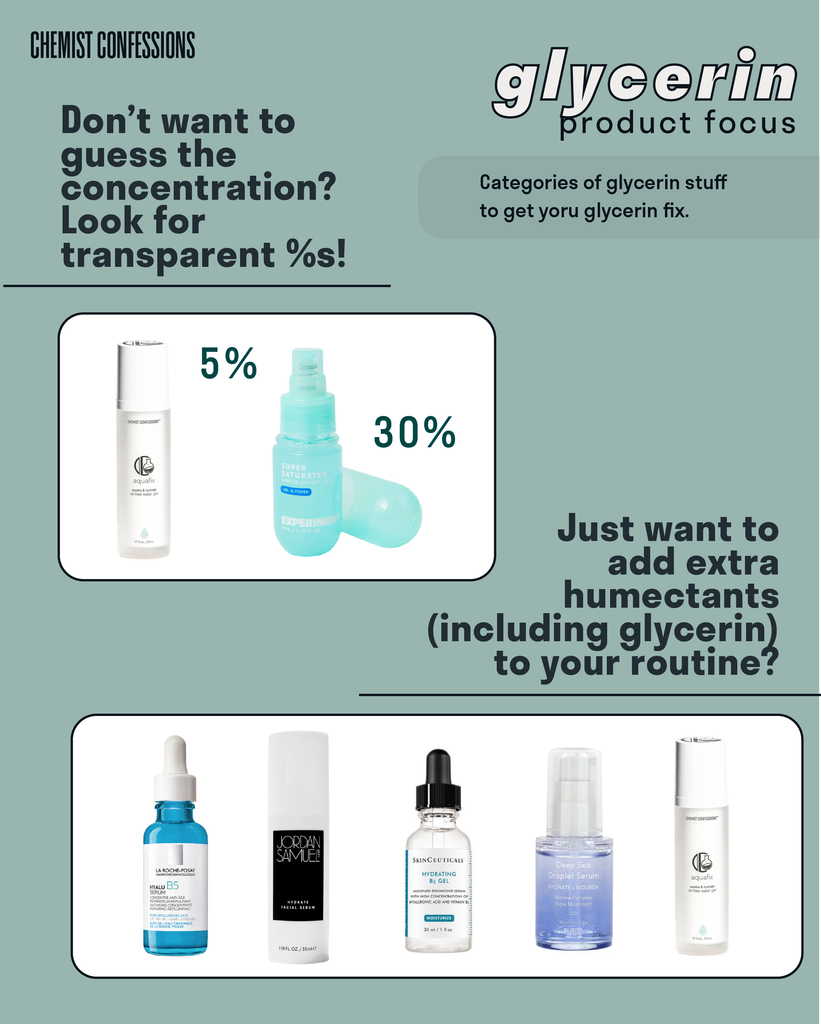
Standard use levels for face care range from 2 to 5 percent. Hand creams often use 10 to 20 percent. Texture tips from the lab: blend glycerin with propanediol or butylene glycol to reduce stick. If you still ask what is glycerin in skin care in formulas, it is the anchor that ties water and feel together.
How to Read an INCI Label and Shop Smart
Shopping is easier when you know where to look.
- Names to know: Glycerin or Glycerol both mean the same thing.
- Spot the level: Early on the list often means 5 percent or more. Later can still work well if the base is balanced.
- Pick the product: Toners and serums give a light feel. Creams give more cushion.
- Packaging: Pump bottles keep things clean and stable.
If you wonder what is glycerin in skin care on labels, it is your sign for steady hydration. Look for simple formulas if your skin is reactive.
Real-Life Results: My Testing Notes
Winter is my stress test season. I use a toner with about 3 percent glycerin under a ceramide cream. After a week, my cheek flakes vanish. Makeup sits smoother and lines look softer.
I also tested a gel with 8 percent glycerin in humid weather. It kept my T-zone calm without shine. This is why what is glycerin in skin care is not just theory. It works in real life, fast and without fuss.

Frequently Asked Questions of what is glycerin in skin care
Is glycerin the same as glycerol?
Yes. Glycerin and glycerol are two names for the same molecule. Both hydrate skin in the same way.
Can glycerin clog pores?
No, glycerin is non-comedogenic. It draws water and does not leave heavy residue when used in balanced formulas.
Does glycerin dry skin in winter?
Used alone in very dry air, it can feel tight. Layer it with a cream or balm to seal in water and boost comfort.
What percent of glycerin is best for face products?
Most people like 2 to 5 percent for daily face use. Hand creams can go higher because skin there is thicker.
Can I mix glycerin with my serum or moisturizer?
Yes. It layers well with most actives and creams. If sticky, add a few drops of a light oil or use less product.
Is glycerin safe for sensitive or rosacea-prone skin?
Often yes, because it supports the barrier and reduces dryness. Patch test first and pick fragrance-free formulas.
How does glycerin compare to hyaluronic acid?
Glycerin is smaller and spreads well through the top layers. It is also cheap, stable, and less fussy about humidity.
Conclusion
Glycerin is a proven, skin-friendly humectant that fits almost every routine. It hydrates, supports the barrier, and helps other actives perform. If you came here asking what is glycerin in skin care, think of it as your daily hydration anchor.
Start simple. Add a glycerin toner or serum to damp skin and seal with a cream. Track your skin for two weeks and adjust the layers to your climate. Ready to go deeper? Explore more guides, subscribe for updates, or share your questions in the comments.