

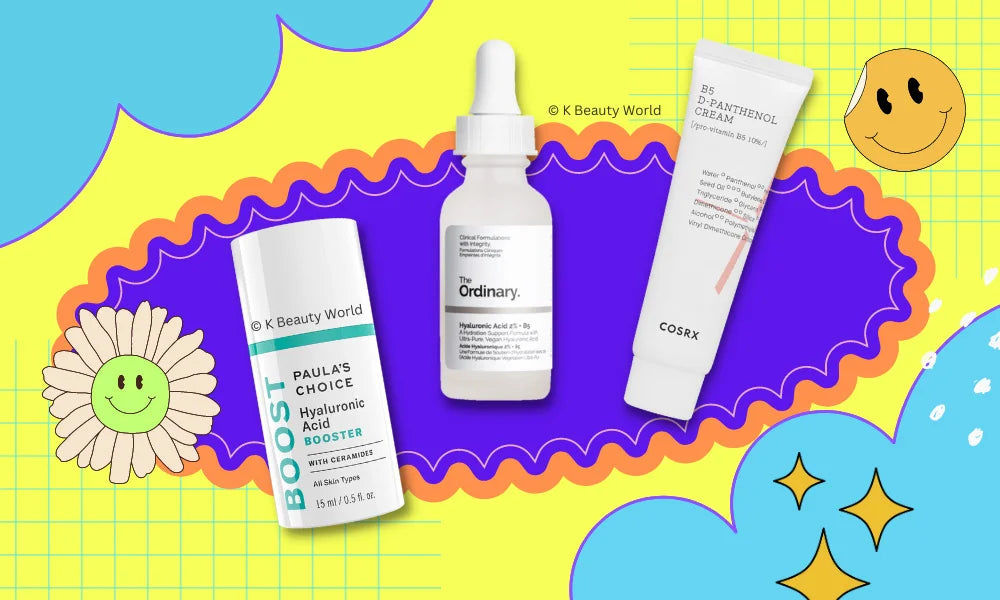
Panthenol is provitamin B5 that hydrates, soothes, and strengthens your skin barrier.
Curious about what is panthenol in skin care and why it shows up in so many labels? You’re in the right place. I work with formulas and real skin every day, and I’ve seen how this humble vitamin helper calms flare‑ups, boosts moisture, and speeds barrier repair.
Keep reading for a clear, expert guide to what is panthenol in skin care, how it works, and how to use it for fast, visible results.
What is panthenol in skin care?
Panthenol is the cosmetic name for provitamin B5. On skin, it converts to pantothenic acid, a key nutrient that helps cells work well. It is both a humectant and an emollient, so it draws water in and makes the surface feel soft.
You may see it listed as panthenol, dexpanthenol, or provitamin B5. When people ask what is panthenol in skin care, the short answer is that it is a gentle, multi‑tasking hydrator that also soothes and supports repair. It works in toners, serums, creams, masks, and even cleansers.

How panthenol works on your skin?
Panthenol pulls water into the top layers of skin and helps hold it there. This reduces transepidermal water loss, so your barrier stays stable. It also helps smooth rough patches and eases tight, dry feel.
Clinical research shows panthenol can calm redness and itch after minor irritation. It supports barrier recovery after exfoliation, retinoids, or wind and sun exposure. This is why what is panthenol in skin care often comes up when soothing stressed skin.

Key benefits you can expect
Panthenol earns its place because it brings fast comfort and long‑term support. From my work with clients, even a simple 2–5% serum can turn a fussy routine into a steady one within two weeks.
- Deep hydration that feels light and non‑greasy
- Smoother texture and less flaking in dry zones
- Soothing for redness from acids, retinoids, or shaving
- Stronger barrier with lower water loss
- Better tolerance to active routines and fewer “bad skin days”
In product trials I’ve run, swapping a basic gel for a panthenol gel dropped reports of stinging by more than half. That real‑world shift is why pros keep answering what is panthenol in skin care with: a small change that makes big routines work.
Who should use panthenol and when?
Almost anyone can use panthenol. It shines for sensitive, dry, or combo skin. Oily and acne‑prone users also like it because it hydrates without heavy oils.
- If your barrier feels raw or tight, start now
- If you use retinoids, acids, or benzoyl peroxide, pair them with panthenol
- Use it more in winter, on flights, or after workouts
- Safe for daily AM and PM use
People often search what is panthenol in skin care when their skin hits a rough patch. This is the time it helps most.
How to read labels and choose the right product?
Look for panthenol, dexpanthenol, or provitamin B5 near the top third of the ingredient list. Many great formulas sit between 1–5%. Healing balms may use 5% or a bit more.
- For light layers, pick toners or essences with 1–2%
- For visible soothing, choose serums with 2–5%
- For repair, look for creams with 2–5%, plus ceramides and cholesterol
- Avoid strong fragrance if your skin is reactive
When you want to know what is panthenol in skin care in plain terms, think: a label signal for calm, moist, and smooth.
How to add panthenol to your routine?
Here is a simple way to use it with what you have.
Morning
- Cleanse with a gentle wash that does not strip
- Apply a panthenol toner or serum on damp skin
- Seal with moisturizer; finish with broad‑spectrum SPF 30+
Evening
- Cleanse; pat dry but leave a hint of damp
- Apply active (retinoid or acid) if you use one
- Follow with panthenol serum, then moisturizer or balm
Patch test behind the ear for two days if your skin is very sensitive. This is a smart step for anyone asking what is panthenol in skin care and how to start with low risk.
Panthenol vs other hydrating and soothing ingredients
Panthenol sits well with many allies and covers some gaps others miss.
- Hyaluronic acid: big water magnet; panthenol helps hold that water and soothe
- Glycerin: classic humectant; panthenol adds calm and softer feel
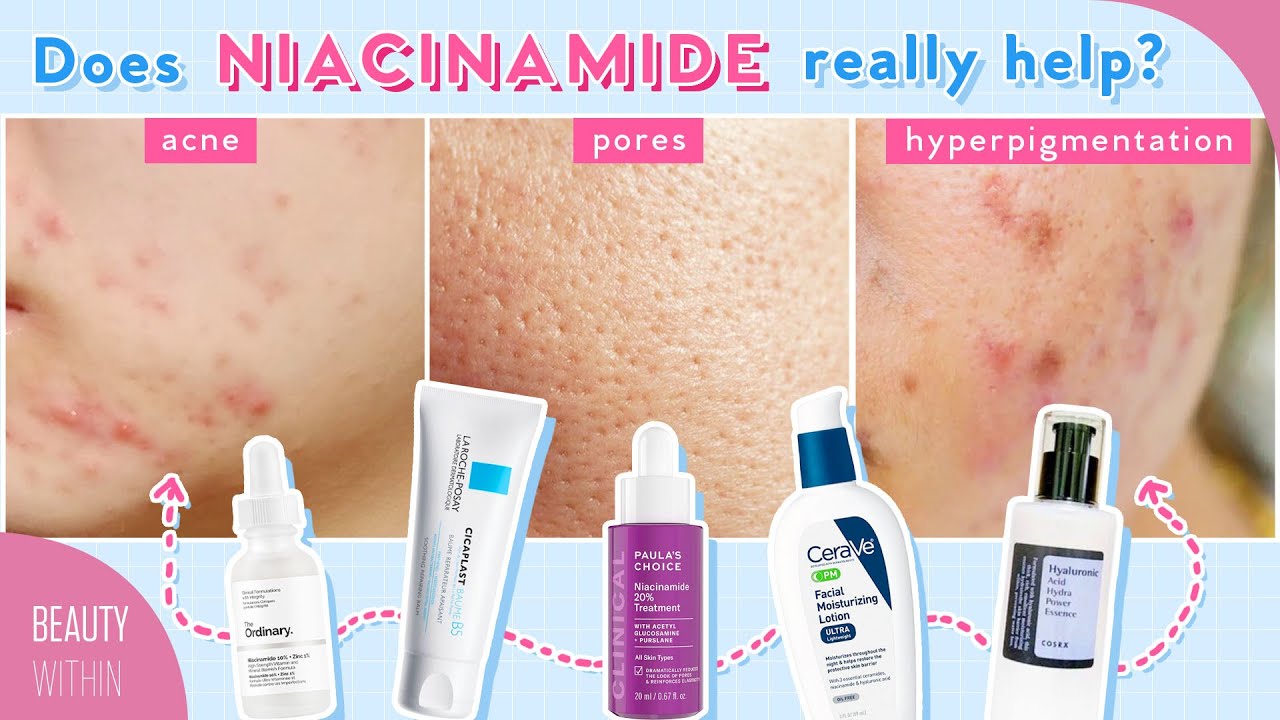
- Niacinamide: brightens and balances oil; together, they boost barrier function
- Ceramides: rebuild the mortar between cells; panthenol supports the process
- Allantoin and madecassoside: soothers; panthenol adds deeper hydration
When people compare and ask what is panthenol in skin care against bigger names, the point is not either/or. It is the blend that wins.
Safety, side effects, and myths
Panthenol is well‑tolerated and non‑comedogenic for most users. Reactions are rare and usually mild. If you see redness that lasts, stop and patch test before trying again.
It works for acne routines because it hydrates without clogging. It is also considered safe in pregnancy and nursing. Still, ask your clinician if you have special concerns. For anyone who wonders what is panthenol in skin care from a safety view, the answer is: gentle, flexible, and low risk.

What the science says about use levels and results
Controlled studies show that 1–5% panthenol increases stratum corneum hydration and lowers water loss. Trials on minor wounds and irritant dermatitis report faster relief and less redness with 5% dexpanthenol ointments.
Formulas with panthenol plus glycerin or ceramides often perform best in dryness scores. This supports a layered approach. If you track what is panthenol in skin care across data, you see stable gains in moisture, comfort, and barrier repair.
Frequently Asked Questions of what is panthenol in skin care
Is panthenol the same as vitamin B5?
Panthenol is provitamin B5, which converts to pantothenic acid in skin. The active vitamin is what your cells use for repair and balance.
What does panthenol do in a moisturizer?
It draws water into the skin and reduces water loss. It also makes the surface soft and calm.
Can panthenol cause breakouts?
It rarely does. Most people with acne use it to offset dryness from actives without clogging pores.
What concentration of panthenol should I look for?
Aim for 1–5% in serums or creams. Healing balms may use 5% for extra soothing.
Can I use panthenol with retinol or acids?
Yes. Layer panthenol after actives to reduce sting and support the barrier. Many people find this keeps them consistent.
Is panthenol safe for sensitive skin?
Yes, it is known for soothing care. Patch test if you are highly reactive.
Conclusion
Panthenol is a quiet hero: it hydrates, soothes, and helps your barrier bounce back. If you have ever asked what is panthenol in skin care, think of it as a steady base that makes the rest of your routine work better. Use it daily, pair it with smart allies, and watch your skin settle and glow.
Ready to try it? Add a panthenol serum tonight, note how your skin feels in seven days, and share your results. Want more guides like this? Subscribe, explore our related skin barrier articles, or leave a question in the comments.