

Exosomes in skin care are tiny cell-made vesicles that signal repair and calm inflammation.
Curious about what are exosomes in skin care and whether they work? I have spent years testing advanced actives and guiding clients through both at-home serums and in-clinic treatments.
This guide breaks down the science in plain words, shows real-world use, and helps you decide if exosomes fit your skin goals.
What are exosomes in skin care?
Exosomes are tiny bubbles that cells release to talk to other cells. They carry proteins, lipids, and genetic messages called microRNA.
In skin care, they are used to nudge skin into repair mode, reduce stress, and support a stronger barrier. When people ask what are exosomes in skin care, I explain that they are messengers, not whole cells.
You may see exosomes from different sources. Most common are human stem cell or fibroblast sources used in labs. Some brands use plant-derived vesicles and call them exosome-like. These are not the same as human exosomes but can still carry helpful signals.
Many labels do not say “exosome.” They use terms like conditioned media or extracellular vesicles. Real isolation is technical. It needs clean methods and tests to confirm particle size and count.
Quick facts to ground you:
- Size ranges near 30–150 nanometers.
- They hold cargo that can switch genes on or off in target cells.
- In skin care, they aim to reduce redness, boost collagen, and support the barrier.
- Results depend on dose, purity, source, and how you use them.
From my testing, true exosome serums feel light and calm. On stressed skin, I saw faster comfort and less redness within days. Texture and fine lines improved over 4–8 weeks when used in a steady routine.

How do exosomes work on the skin?
Think of exosomes as sealed envelopes. They land on skin cells like keratinocytes and fibroblasts. They fuse with the cell wall and drop a message inside. That message can turn on repair and turn down stress.
What happens next:
- Lower inflammation signals that trigger redness and flare-ups.
- More collagen and elastin signals in the dermis to firm the skin.
- Better barrier support with more lipids and balanced cell turnover.
- Smoother pigment signals that can make tone look more even.
If you still wonder what are exosomes in skin care, see them as coordinators. They do not push the skin hard like acids or retinoids. They guide skin to do its own healing work.
Benefits you can expect, backed by research
Lab and early clinical studies suggest clear gains when the formula is well made and well dosed. Results vary, yet the pattern is steady across models.
What the data and my practice suggest:
- Faster post-procedure recovery. Less redness and swelling after needling and lasers.
- Calmer skin. Fewer flare-ups in reactive skin and after sun stress.
- Smoother fine lines over weeks. Firmer feel with regular use.
- More even tone. Dark marks fade a bit faster when paired with sunscreen and gentle actives.
- Stronger barrier. Less tightness, better hydration, and lower water loss.
Studies show topical mesenchymal stem cell exosomes can raise procollagen levels in UV-stressed cells and improve skin water loss after procedures.
Early split-face trials show better texture and redness scores when exosomes follow microneedling. Evidence for pigment is growing but still mixed.
If your core question is what are exosomes in skin care doing for visible change, the short answer is steady repair support. They are not a magic switch, but they can speed what your skin already wants to do.

Safety, regulation, and myths to avoid
Exosomes used as drugs need strict review. Many agencies warn clinics about unapproved exosome therapies. Cosmetic products cannot claim to treat disease or change body structure. So, brands must stay within cosmetic rules.
Safety notes you should know:
- Topical use has a low risk in general, but quality control matters a lot.
- Allogeneic sources need sterile prep and clean testing for purity.
- Patch test if your skin is very reactive.
- If you are pregnant, nursing, have active cancer, or are on immune therapy, speak to your doctor first.
- Plant “stem cell” products do not make human exosomes. Be wary of bold claims.
A key myth: more is always better. Not true. Exosomes work by balanced signals, not by brute force. Another myth: every “stem cell” serum has exosomes. Many do not.
When people ask what are exosomes in skin care from a risk view, I say they are promising but need strict sourcing and honest labels.
How to choose a trustworthy exosome product?
The market is crowded. A careful eye saves money and protects your skin.
Use this checklist:
- Clear source. Human fibroblast or mesenchymal stem cell origin is common. Plant vesicles should be labeled as such.
- Transparent testing. Look for particle counts per mL, size range, and purity claims from third-party labs.
- Proper INCI. Terms like extracellular vesicles, exosomes, or conditioned media should be listed with other actives.
- Smart packaging. Airless, opaque, and often kept cold. Some use freeze-dried vials to mix fresh.
- Realistic claims. No cure-all or drug-like promises. No stem cell therapy language.
- Stable formula. Balanced pH and gentle preservatives to keep particles intact.
If you ask what are exosomes in skin care worth paying for, I would say pay for proof. Brands that show testing and exact counts deserve your trust more than vague hype.
How to use exosomes in a routine?
Exosomes fit best in a calm, barrier-first plan. They play well with many actives.
Daily steps:
- Cleanse with a gentle, low-foam wash.
- Apply exosome serum on damp skin. One to two pumps is enough for face and neck.
- Seal with a simple moisturizer.
- Use SPF 30 or higher every morning.
Pairing tips:
- With retinoids. Use retinoid at night, then layer the exosome serum after 10 minutes to soothe.
- With vitamin C. Apply vitamin C in the morning, then exosomes, then SPF.
- With acids. Keep acids on separate nights or use a mild acid first, wait, then apply exosomes.
After procedures:
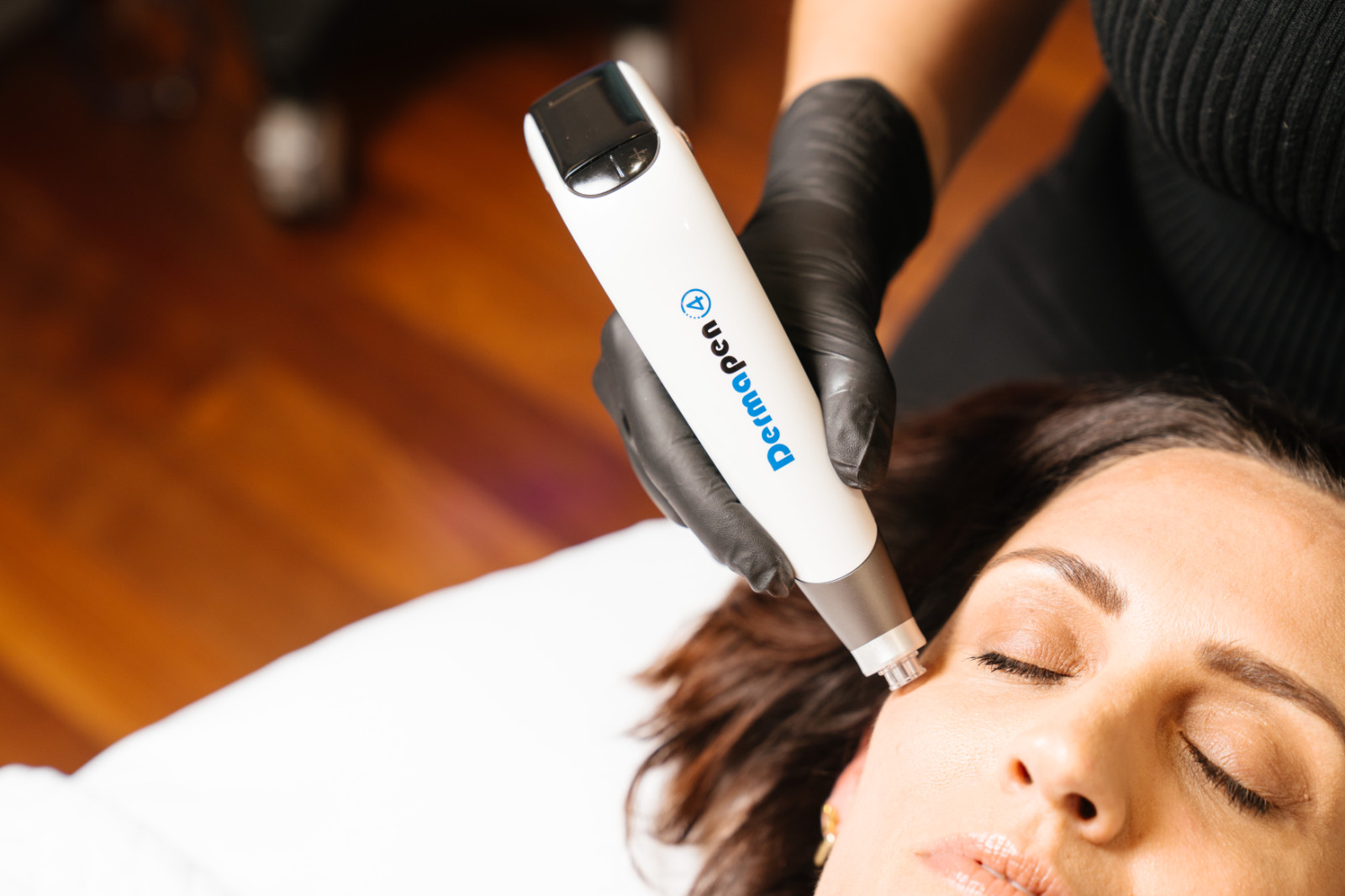
- Many clinics apply exosomes right after microneedling or lasers to calm skin. Follow your provider’s plan.
Practical notes:
- Store as the label says. Some need the fridge. Do not heat.
- Give it 6–8 weeks for texture and tone gains.
- If you feel stinging or see a rash, stop and patch test.
When clients ask what are exosomes in skin care good for day to day, my answer is simple: they help your other steps work smoother and your skin bounce back faster.
At-home serums vs in-clinic exosome treatments
You will see exosomes in two paths: daily serums and in-office add-ons.
At home:
- Gentle, steady use. Good for redness, texture, and barrier health.
- Best for maintenance, not instant wow.
In clinic:
- Often paired with microneedling, lasers, or RF. The channels help delivery.
- Can cut downtime and improve glow over a series of visits.
- Higher cost but faster visible payoff.
What are exosomes in skin care doing in a clinic setting? They act like a calm coach after controlled injury. They tell skin to rebuild in an ordered way.
Exosomes vs retinoids, peptides, growth factors, and PRP
Each tool has a role. You do not need to pick only one.
How they compare:
- Retinoids. Gold standard for wrinkle care. Strong, but can irritate. Exosomes help reduce that irritation.
- Peptides. Targeted signals. Often pair well with exosomes for extra firming.
- Growth factors. Broader protein signals. Exosomes carry growth factors plus microRNA cargo for a wider effect.
- PRP. Your own platelets, used in office. Exosomes can be used with PRP to guide healing.
If a friend asks what are exosomes in skin care versus retinoids, I say retinoids push, exosomes coach. Together, they make a strong team.
Who should and should not use exosomes?
Good fits:
- Sensitive or reactive skin that needs calm repair.
- Post-procedure care under pro guidance.
- Early fine lines, dull tone, and mild texture issues.
- People who want results with less sting.
Caution or avoid:
- Pregnancy or nursing without medical advice.
- Active cancer, autoimmune flares, or on immune drugs without doctor input.
- Severe acne with open lesions until under control.
- Very strict vegan users if human-derived sources are a concern.
Still wondering what are exosomes in skin care for your skin type? If you value calm repair and steady gains, they are worth a test run.
Frequently Asked Questions of what are exosomes in skin care
Are exosomes the same as stem cells?
No. Exosomes are vesicles from cells, not whole cells. They carry signals but cannot become tissue or divide.
How long until I see results?
Calming can show in days. Texture, lines, and tone often need 6–8 weeks of steady use.
Can I use exosomes with retinoids or acids?
Yes, but keep it gentle. Use exosomes after retinoids to soothe, and space strong acids on alternate nights.
Are plant exosomes as good as human ones?
They are different. Plant vesicles can help as antioxidants and hydrators, but their signals are not the same as human exosomes.
Do exosome products need to be cold?
Some do. Follow the label. Many are more stable when kept cool and away from light.
What are exosomes in skin care compared to growth factors?
They include more types of signals than growth factors alone. They can deliver microRNA, lipids, and proteins for a broader effect.
How do I know if my serum has real exosomes?
Look for particle counts, size data, and third-party tests. Vague claims without numbers are a red flag.
Conclusion
Exosomes are tiny messengers with big potential for calm repair, firmer skin, and faster recovery. They shine when the formula is clean, the source is clear, and your routine is simple and steady.
If what are exosomes in skin care has been on your mind, try a well-tested serum, track your skin for eight weeks, and judge by real changes.
Ready to go deeper? Explore more guides, compare products with the checklist above, and subscribe for new research-based skin tips.