

Rebuild your barrier, use humectants, seal with moisturizer, and wear SPF.
You are here to master how to care for dehydrated skin, and I can help. I’ve guided many readers and clients through tight, dull, and flaky spells. In this clear guide, I share what works, what fails, and why, so you can restore bounce, glow, and comfort fast.

Source: plumgoodness.com
Understanding Dehydrated vs Dry Skin
If you want to learn how to care for dehydrated skin, start by knowing what it is. Dehydrated skin lacks water. Dry skin lacks oil. Any skin type can get dehydrated, even oily or acne-prone skin.
Look for tightness after washing, fine lines that look like cracks, dull tone, and makeup that cakes. You may also see more oil as your skin tries to fix the problem. This is why a heavy cream alone may not help if the real issue is water loss.
In my work, I see people confuse dry and dehydrated skin all the time. Once they add water-binding steps, results improve in days. The trick is to hydrate first, then lock it in.

Root Causes and Everyday Triggers
Knowing how to care for dehydrated skin means spotting what drains water fast. Common triggers include cold wind, dry indoor heat, hot showers, harsh cleansers, over-exfoliation, and UV exposure. Travel and long flights add to the problem.
Stress and poor sleep slow repair. High alcohol intake and low fruit and veggie intake also affect hydration. Some acne products can tip the balance when used too often or without support.
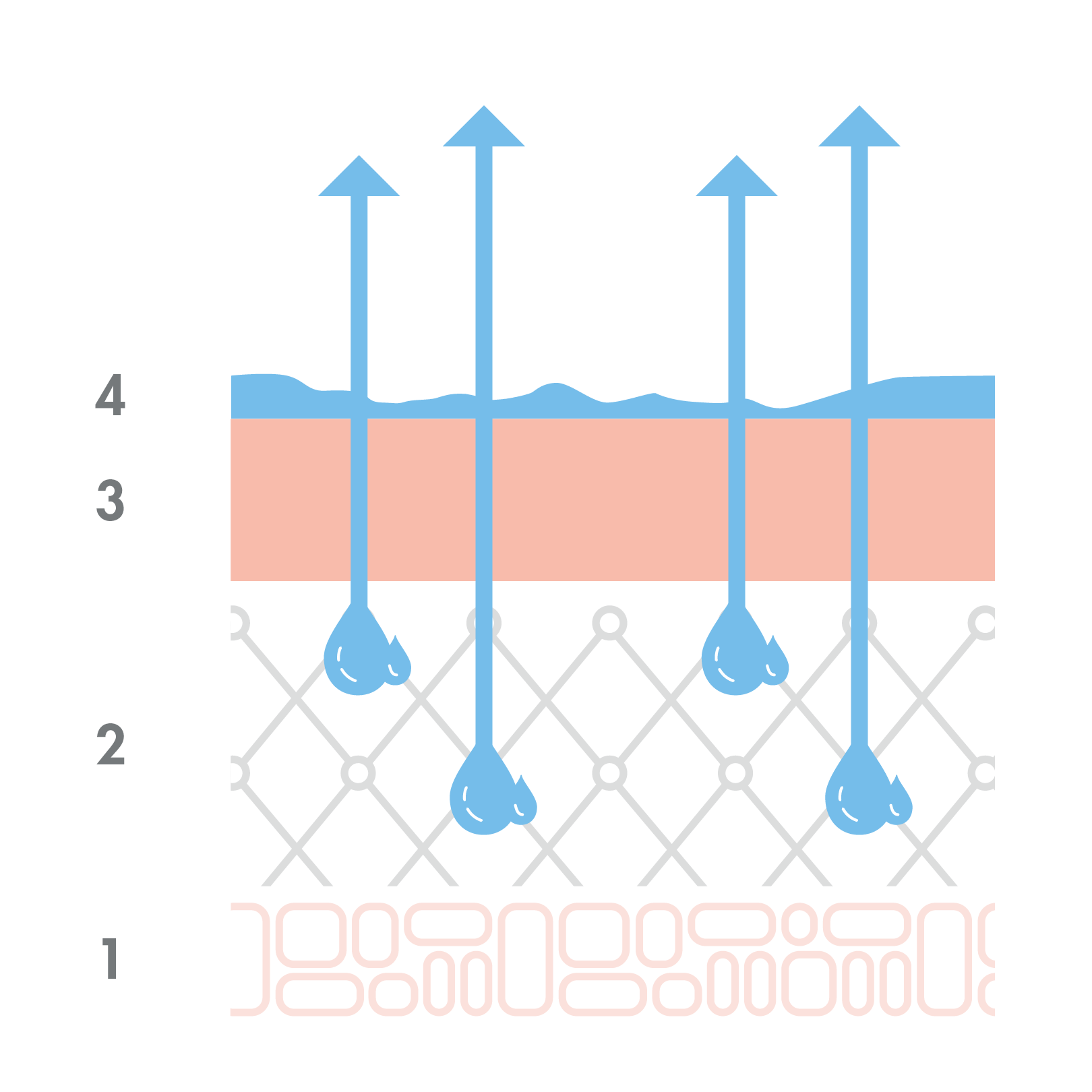
Dermatology research links barrier damage to higher water loss. UV light and detergents raise transepidermal water loss. The goal is to reduce these hits and support your barrier daily.
A Simple Morning Routine That Works
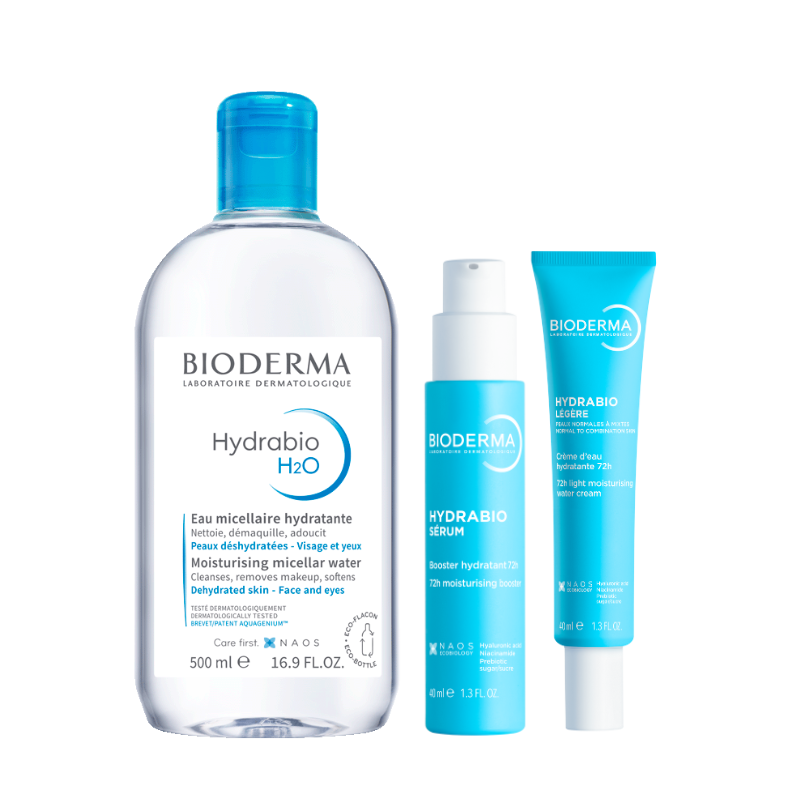
Here is how to care for dehydrated skin each morning with a short plan. Keep steps light and fast. Focus on hydration, barrier care, and sun care.
Follow these steps:
- Cleanser: Use a gentle, low-foam cleanser. Avoid strong scents and harsh surfactants.
- Hydrating essence or toner: Pat on a humectant-rich layer while skin is damp.
- Serum: Use hyaluronic acid, glycerin, or a blend that binds water.
- Moisturizer: Choose a light cream with ceramides or squalane to lock in water.
- Sunscreen: Wear broad-spectrum SPF 30 or higher every day.
If your skin feels tight by noon, add a mid-day mist or a tiny layer of moisturizer. Keep a small tube at your desk or in your bag for quick relief.

Night Routine and Weekly Boosters
How to care for dehydrated skin at night is about repair. Your skin loses less water if you help the barrier. Use gentle steps and avoid harsh scrubs.
Try this plan:
- Cleanser: Use the same gentle cleanser.
- Hydrating serum: Layer a water-binding serum over damp skin.
- Barrier cream: Use a richer cream with ceramides and cholesterol.
- Optional occlusive: A thin layer of petrolatum or balm on dry spots.
Weekly boosters help. Use a hydrating mask once or twice a week. If you exfoliate, pick a mild lactic acid or PHA and use it sparingly. Then flood skin with hydration.

Ingredients That Quench Thirsty Skin
To master how to care for dehydrated skin, know your ingredients. Some pull water in. Some seal it in. Some rebuild the barrier.
Key humectants:
- Glycerin: Strong, well-studied, and stable.
- Hyaluronic acid: Binds water; layer under cream.
- Urea 5 to 10 percent: Hydrates and smooths rough spots.
- Panthenol and aloe: Soothe and boost moisture.
Barrier helpers:
- Ceramides, cholesterol, and fatty acids: Refill the mortar between skin cells.
- Squalane and shea butter: Add comfort without heaviness for many people.
- Niacinamide: Helps barrier function and reduces oil spikes.
- Allantoin and centella: Calm signs of stress.
Studies support these groups for hydration and barrier repair. Patch test new items and add one at a time for clarity.

Lifestyle Habits That Restore Hydration
A plan for how to care for dehydrated skin must include daily habits. Topicals help, yet your routine matters too. Small shifts stack up.
Practical tips:
- Drink water to thirst and with meals. Add fruits and soups.
- Use a humidifier at night in dry seasons.
- Keep showers warm, not hot, and short.
- Sleep 7 to 9 hours to support skin repair.
- Limit alcohol and balance coffee with water.
I keep a small humidifier by my desk. In winter, it cuts that 3 p.m. tight face feeling. Simple tools like that work.
Seasonal, Travel, and Workout Adjustments
How to care for dehydrated skin changes with your day. Dry air, sun, and sweat all affect water loss. Tweak your routine to match the scene.
For winter or flights:
- Add a hydrating serum under moisturizer.
- Use a thicker night cream or balm on cheeks.
- Avoid strong acids the day before travel.
For summer or workouts:
- Wear SPF, reapply every two hours outdoors.
- Rinse sweat and apply a light moisturizer.
- Use gel textures if you feel greasy.
These small changes prevent flare-ups. Plan ahead, and your skin will keep its calm.

How to Choose Products and Read Labels?
A smart shopper knows how to care for dehydrated skin from the label. You want gentle cleansers, humectants high on the list, and barrier lipids.
What to look for:
- Low-foam or cream cleansers with mild surfactants.
- Glycerin, hyaluronic acid, panthenol, or urea near the top of the list.
- Ceramides, squalane, cholesterol, and fatty acids in moisturizers.
- Fragrance-free or low fragrance if sensitive.
- Sunscreens that feel good so you use them daily.
Avoid high alcohol denat in toners if you run sensitive. Watch for strong acids in many steps at once. Simple beats complex in repair mode.

Sample Routines by Skin Type
Knowing how to care for dehydrated skin also means tailoring steps to your skin type. You can hydrate without clogging pores or feeling greasy. Try these quick maps.
For oily or acne-prone:
- Gel cleanser, hydrating serum, oil-free moisturizer with niacinamide, SPF.
- At night, add a thin balm on dry patches only.
For combination:
- Gentle cleanser, humectant serum, mid-weight cream on cheeks, light lotion on T-zone, SPF.
- Night cream with ceramides.
For dry or mature:
- Cream cleanser, hydrating essence, HA or glycerin serum, rich cream with ceramides, SPF.
- At night, add a thin occlusive layer.
Adjust texture, not the core steps. That is the key to steady gains.
Troubleshooting and Mistakes to Avoid
To excel at how to care for dehydrated skin, avoid common traps. Many people overdo actives. Others skip SPF or forget humidity.
Watch out for:
- Over-exfoliation more than once or twice a week.
- Washing face in hot water.
- Layering too many acids and retinoids at once.
- Skipping moisturizer because you feel oily.
- Not sealing humectants with a cream.
If your skin stings often, strip back to basics for two weeks. Gentle cleanse, hydrate, moisturize, and sunscreen. Then add one item at a time.
When to Seek Professional Help?
There are limits to how to care for dehydrated skin at home. If stinging, redness, or flaking persist, get expert help. Conditions like eczema, contact dermatitis, or rosacea may be in play.
A dermatologist can assess your barrier and triggers. They may suggest short-term use of medical creams. They can also help you rebuild a safe plan with fewer reactions.
Bring photos, your routine, and product labels to the visit. Clear data helps shape a smarter plan fast.
Frequently Asked Questions of how to care for dehydrated skin
How can I tell if my skin is dehydrated or dry?
Dehydrated skin lacks water and can feel tight but oily. Dry skin lacks oil and often feels rough and looks flaky year-round.
Can oily skin be dehydrated?
Yes. Oil does not equal water. Oily skin can still have high water loss and tight, shiny zones.
How long does it take to fix dehydrated skin?
Most people feel relief in three to seven days. Full barrier recovery can take several weeks with steady care.
Do I need both serum and moisturizer?
Yes, in most cases. Serums pull in water, and moisturizers lock it in so it does not escape.
Are face mists helpful?
They can help when used with a cream. Mist, then apply moisturizer to trap water on the skin.
Should I stop retinoids if my skin is dehydrated?
Not always. Reduce frequency, buffer with moisturizer, and add hydrating layers to support your barrier.
Conclusion
Dehydration is common, fixable, and within your control. Cleanse gently, hydrate while skin is damp, seal with a barrier cream, and guard with SPF. Tweak with the seasons, and be kind to your barrier.
Start today with one small change. Swap your harsh cleanser or add a humectant serum. If this guide helped, subscribe for more simple skin wins or leave a comment with your questions.