

Peptides are short amino acid chains that signal skin to repair and firm.
Curious about what are peptides in skin care and why they get so much buzz? I have worked with peptide formulas for years, and I’ll guide you through how they work, which ones to choose, and how to use them for real results.
This article breaks down the science in plain language and gives clear steps you can follow today.
What are peptides, simply explained
Peptides are tiny pieces of proteins. Think of them as small messengers made of amino acids. In skin care, they send signals that help skin do useful jobs. These jobs include making more collagen, easing signs of stress, and keeping the barrier strong.
When people ask what are peptides in skin care, they want to know if they work. Many do, when the formula and use are right. Names on labels can look complex, but the idea is simple. The right peptide tells skin what to do at the right time.
Examples you may see on labels:
- Palmitoyl pentapeptide-4
- GHK-Cu (copper tripeptide-1)
- Acetyl hexapeptide-8
- Palmitoyl tripeptide-1

How peptides work in skin?
Skin is a busy organ. Cells talk to each other all day. Peptides join that talk. They bind to receptors on skin cells and start a change. Some tell fibroblasts to make collagen and elastin.
Others carry trace metals, like copper, that help enzymes repair tissue. Some calm enzymes that break down collagen.
Delivery matters. Many peptides are linked to a fatty tail, like palmitoyl. This helps them move through the skin’s outer layer. When you think about what are peptides in skin care, think about this signal and delivery pair. Signal plus delivery equals action.
Types of peptides you will see on labels
You will find many groups. Each has a role.
- Signal peptides. Tell cells to make collagen, elastin, and other matrix parts.
- Carrier peptides. Move trace metals like copper to where they are needed.
- Enzyme-inhibiting peptides. Slow enzymes that break down collagen.
- Neurotransmitter-inhibiting peptides. Soften the look of lines by relaxing tension.
- Antimicrobial peptides. Support the skin’s defense.
Common examples include:
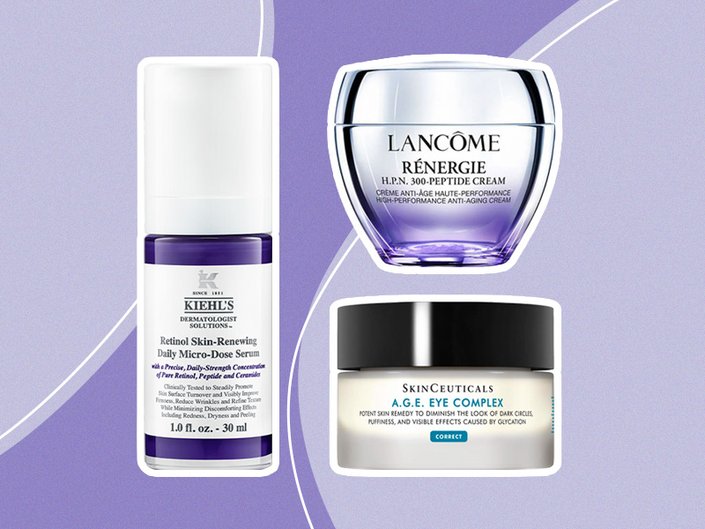
- Palmitoyl pentapeptide-4 and palmitoyl tripeptide-1 for firming
- GHK-Cu for repair support
- Acetyl hexapeptide-8 for expression lines
- Tripeptide-1 and tetrapeptide-21 for texture
If you wonder what are peptides in skin care, this list is your map.
Proven benefits and the evidence
In clinical tests, peptide serums and creams often show steady gains over 8 to 12 weeks. People see smoother texture, softer fine lines, and better firmness. Barrier repair and hydration also improve.
These gains tend to be modest at first and build with use. Studies report changes like more skin elasticity, higher collagen markers, and less roughness. Most tests use twice-daily use on the face.
Results vary by formula, dose, and your routine. When someone asks what are peptides in skin care, the fair answer is this: they are support tools with growing, but not magic, proof.
How to choose a peptide product?
Look at the full formula, not just the name.
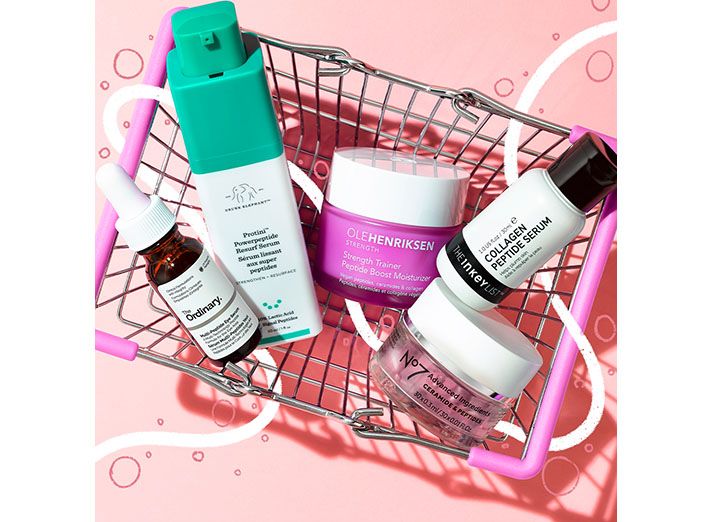
- Check the first third of the ingredient list. Peptides work better when the base hydrates and supports the barrier.
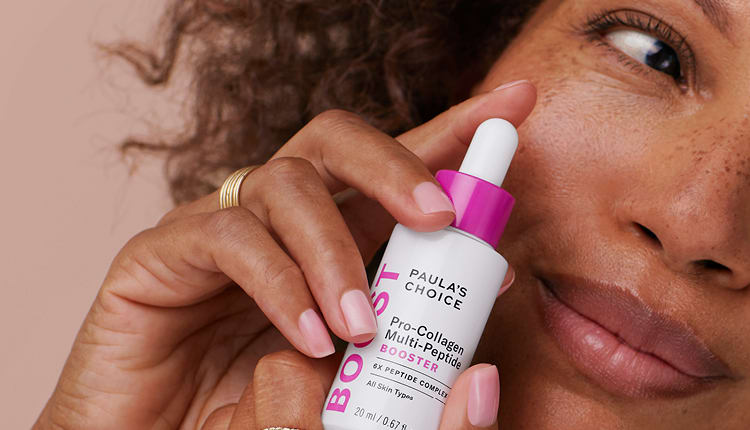
- Look for airless, opaque packaging. Peptides can break down with air and light.
- Seek helper ingredients. Glycerin, hyaluronic acid, and ceramides boost comfort and results.
- Avoid high alcohol and heavy fragrance if your skin is dry or reactive.
- Pick brands that share data on their peptide complex and testing.
If you are comparing and thinking what are peptides in skin care worth, choose a product with clear data and smart packaging.
How to use peptides in your routine?
Peptides fit into most routines with ease.
- Cleanse with a gentle wash.
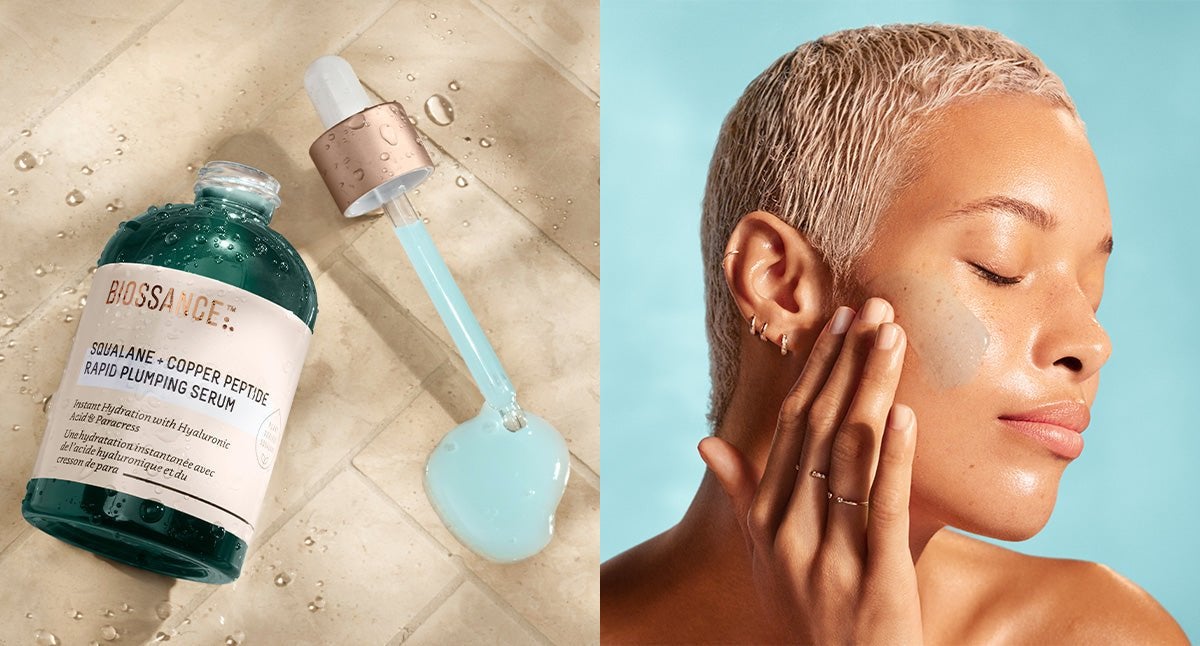
- Apply a peptide serum to damp skin.
- Seal with a moisturizer.
- Wear sunscreen in the day.
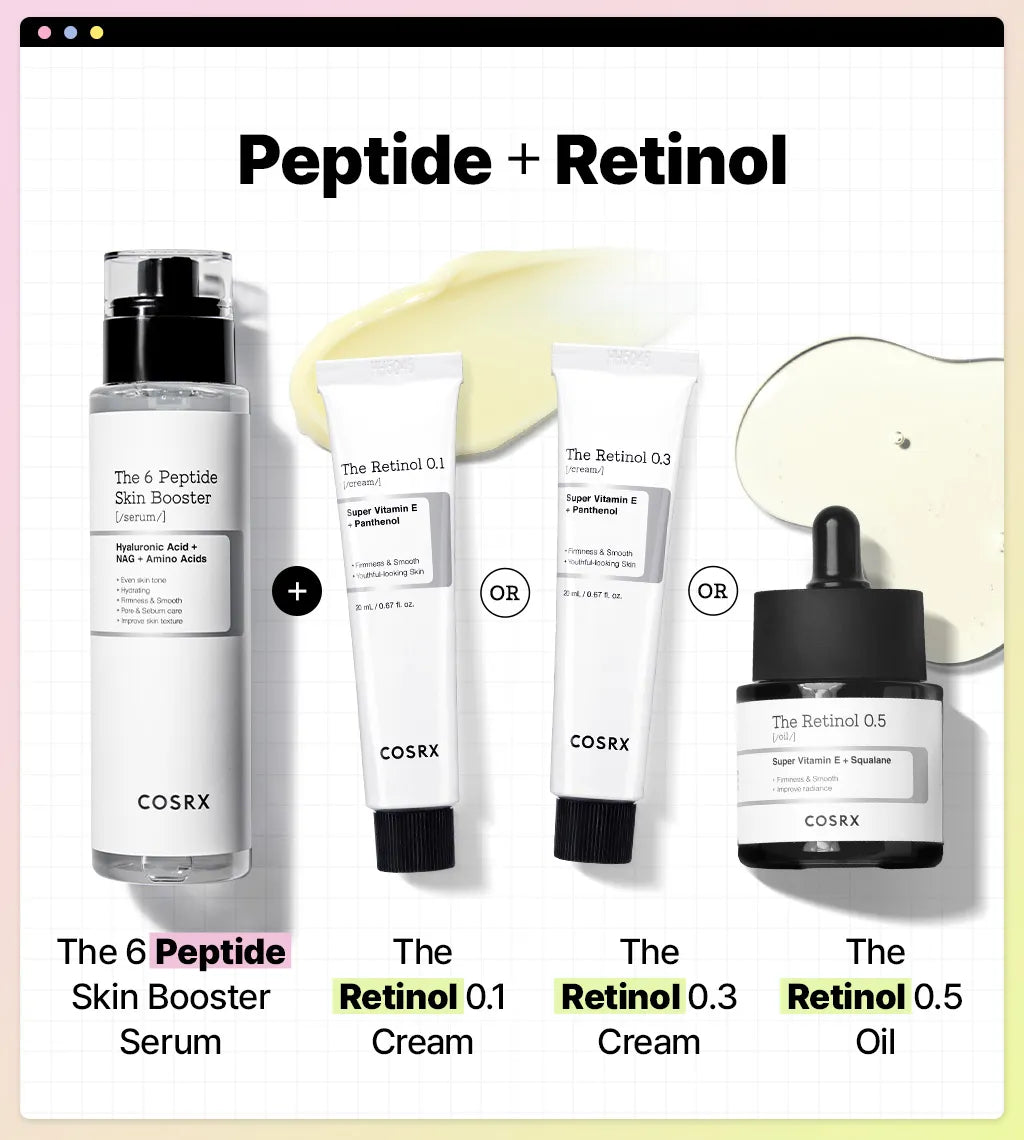
Use morning and night for steady gains. Peptides play well with niacinamide and hyaluronic acid. If you use strong acids or retinoids, apply the peptide after those if your skin can handle it.
Or use peptides in the morning and actives at night. When asked what are peptides in skin care routines that work, the answer is simple: daily, steady, and layered with care.
Ingredient pairings and what to avoid
Great pairings:
- Niacinamide to boost the barrier and tone
- Hyaluronic acid for plump, dewy skin
- Ceramides to reduce dryness
- Sunscreen to protect the gains you make
Be mindful of:
- Very low pH acids. Some peptides may not love that drop in pH.
- Strong L-ascorbic acid and copper peptides together. Data is mixed, but some users prefer to split them by time of day.
- Heavy oils over light peptide serums if you are acne-prone.
These tips help you get the most from what are peptides in skin care without waste.

Safety, side effects, and who should avoid
Peptides are well tolerated for most skin types. Side effects are rare and mild. You may see a bit of redness at first. Patch test on the inner arm if you are very sensitive. If you have a skin condition under care, ask your clinician.
Peptides are cosmetic, not drugs. They do not cure disease. If you are pregnant or nursing, most peptides are seen as low risk in topical use. But ask your provider if you have any doubts.
Real-world experience and practical tips
Over the years, I have tested many peptide serums. The best results showed up at week six and grew by week twelve. My skin felt springy, and fine lines around the eyes looked softer. The big shift was better bounce and less morning dullness.
Tips that worked for me:
- Keep it simple. One multi-peptide serum plus a good moisturizer gave me the best gain.
- Take pictures every two weeks in the same light.
- Do not chase a “Botox” effect from a bottle. Peptides are steady, not instant.
- Store in a cool, dark place. Close the cap right away.
This is how I answer what are peptides in skin care when friends ask: they are steady helpers that shine with patience.
Myths vs facts
- Myth: Peptides cannot get into skin. Fact: Many have lipid tails that help entry.
- Myth: All peptides do the same thing. Fact: Each type has a task and a target.
- Myth: Peptides work overnight. Fact: Expect weeks, not days.
- Myth: Peptides replace retinoids. Fact: They complement, not replace, vitamin A.
- Myth: More peptides mean better results. Fact: Quality and formula beat sheer count.
If you study what are peptides in skin care, you will see these truths often.
Cost, value, and when to upgrade
You can get a good peptide serum at a fair price. Price rises with complex blends, packaging, and testing. Start with a well-made single or multi-peptide formula. If you like the feel and see gains by week eight, move up to a richer blend if you want more.
Ways to judge value:
- Price per milliliter
- Presence of proven helpers like niacinamide
- Opaque, airless pump
- Clear testing claims
A smart buyer asks what are peptides in skin care worth to my goals and budget.
Reading INCI names: quick guide
These cues help you spot peptides on labels.
- Words like palmitoyl, acetyl, myristoyl often sit before peptide names.
- Numbers hint at size, like tripeptide-1 or hexapeptide-8.
- Copper peptides may show as copper tripeptide-1 or GHK-Cu.
- Blends may be listed as a “peptide complex.”
When you know what are peptides in skin care by name, shopping gets much easier.
Frequently Asked Questions of what are peptides in skin care
What are peptides in skin care, in simple terms?
They are small chains of amino acids that tell skin cells what to do. They can boost collagen, calm stress, and support repair.
Do peptides work on wrinkles?
They can soften the look of fine lines with steady use. Expect small but real gains over 8 to 12 weeks.
Can I use peptides with retinol or acids?
Yes, most peptides layer well with retinoids and mild acids. If your skin is sensitive, split them by time of day.
Are peptides safe for sensitive skin?
Most people tolerate them well. Start slow, patch test, and choose fragrance-free formulas.
How often should I use a peptide serum?
Use once or twice daily. Consistent use is key to visible results.
Do peptides replace vitamin C or sunscreen?
No. They add support but do not replace antioxidants or sun protection. Keep your SPF every morning.
How long before I see results?
Give it 6 to 12 weeks for full effect. Take weekly photos to track progress.
Conclusion
Peptides are smart messengers that help skin rebuild, smooth, and stay resilient. When you understand what are peptides in skin care, you can pick the right type, use it well, and set real expectations. Choose a solid formula, apply it daily, and pair with sunscreen and gentle care.
Ready to upgrade your routine? Start with one peptide serum, track your results, and refine from there. If you found this guide useful, subscribe for more skin science made simple or share your questions in the comments.
