

Peptides are short amino acid chains that tell skin cells to repair and firm.
If you have ever wondered what is peptide in skin care products, you are in the right place. I have tested, read, and advised on peptide formulas for years.
Here, I explain what is peptide in skin care products, how they work, which ones to pick, and how to use them for real results.
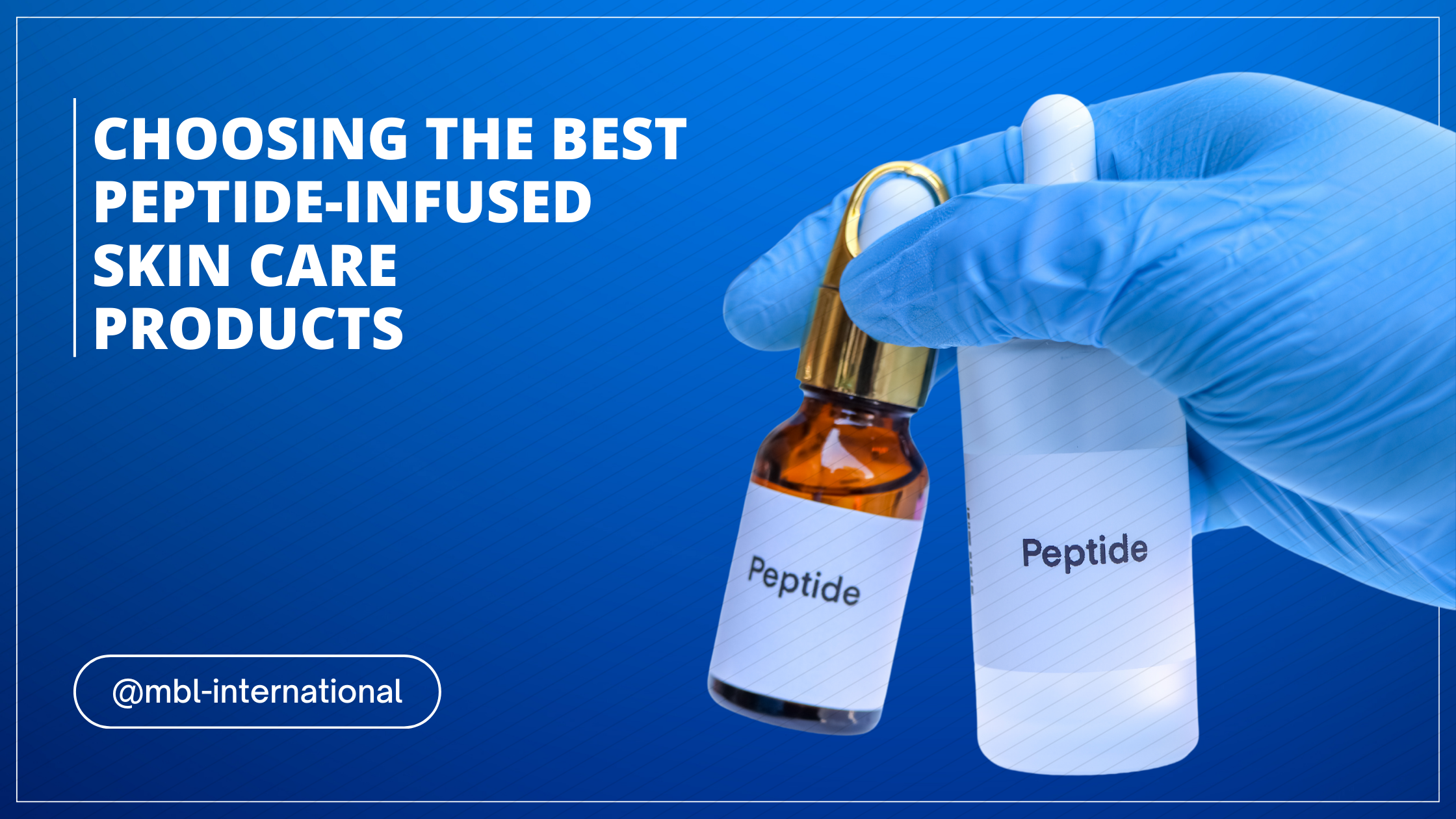
What Are Peptides And How Do They Work?
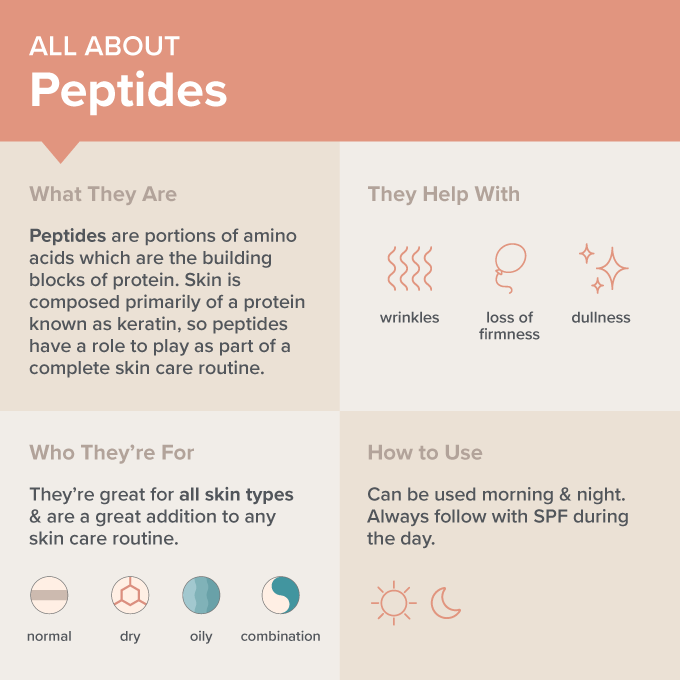
Peptides are small chains of amino acids. They act as messengers in the skin. They signal cells to make more collagen, elastin, and other support proteins.
Think of peptides like a text message to your skin. The message is simple. Repair. Firm. Calm. This is the core answer to what is peptide in skin care products. Many peptides mimic parts of natural skin proteins. Your skin reads them and responds.
Here is what happens after you apply a good peptide serum:
- They bind to receptors on the skin surface and trigger a response.
- They encourage collagen and elastin support over time.
- They help reduce the look of lines with steady use.
Clinical studies show gains in firmness and fine lines over 8 to 12 weeks. Results build with daily use. That is the practical side of what is peptide in skin care products.

Types Of Peptides Used In Skincare
Not all peptides do the same job. Different classes target different needs.
Signal peptides
These tell skin to make more collagen and elastin. Examples include palmitoyl pentapeptide-4 and palmitoyl tripeptide-1. They are common in anti-aging serums.
Carrier peptides
These carry trace minerals, like copper, to where they are needed. GHK-Cu, also called copper tripeptide-1, is the best known. It supports repair and reduces visible damage.
Enzyme-inhibiting peptides
These slow enzymes that break down collagen. They help preserve your skin matrix. Over time, skin looks smoother.
Neurotransmitter-modulating peptides
Acetyl hexapeptide-8 is the classic name here. It can soften the look of expression lines. Effects are modest but helpful near the eyes and forehead.
You now have a clear map of what is peptide in skin care products from a function point of view. When you read a label, you can tie the name to the action.

Proven Benefits And What To Expect
Peptides offer steady, real-world gains with consistent use.
Key benefits you can expect:
- Smoother fine lines and a firmer feel over 2 to 3 months.
- Better skin barrier and less dryness.
- More even tone and a healthy look.
Clinical data supports these results. Studies on palmitoyl pentapeptide-4 show a drop in wrinkle depth. Copper peptides improve elasticity and brightness. Argireline-like peptides help with dynamic lines to a small degree. These facts support why people search what is peptide in skin care products.
Set your expectations. Peptides are not a one-night fix. They work best as daily care. Use them with sunscreen for lasting change.
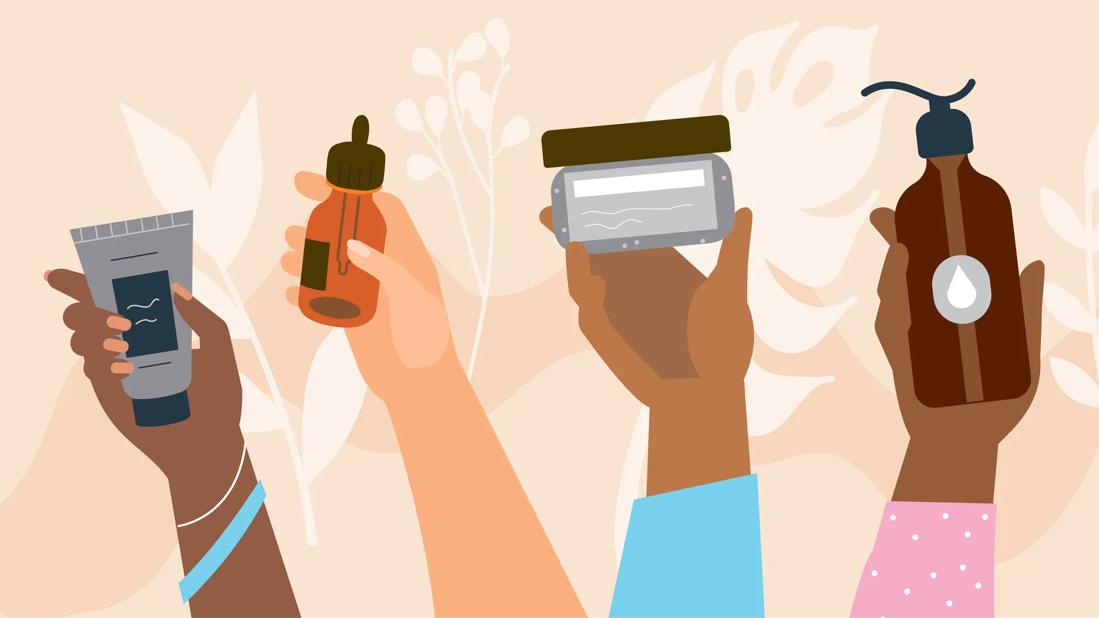
How to Choose A Peptide Product?
Smart choices save time and money. Start with the label and packaging.
What to look for on the ingredient list:
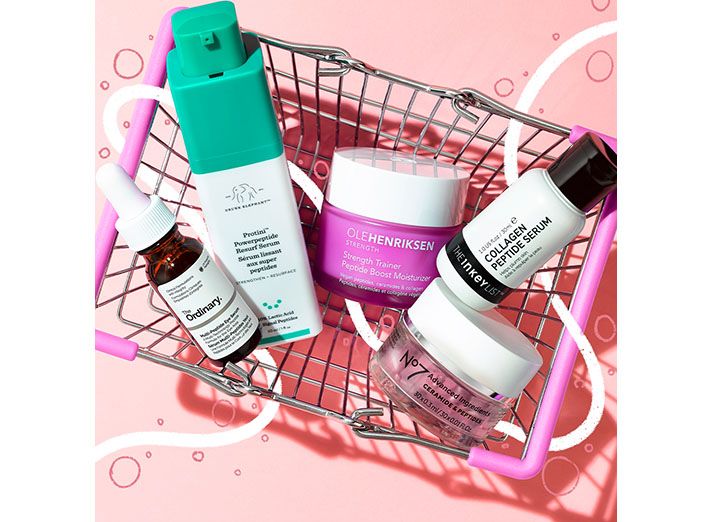
- Names that end with peptide, tripeptide, hexapeptide, or palmitoyl.
- Known actives like palmitoyl pentapeptide-4, copper tripeptide-1, acetyl hexapeptide-8.
- Supportive base with humectants like glycerin and hyaluronic acid.
What to look for in the product itself:
- Opaque, airless pump or tube to protect actives.
- Clear brand testing claims and realistic timelines.
- Concentration guidance if given. Many work at low levels, such as 0.01 to 2 percent.
Match texture to skin type:
- Light serum for oily or combo skin.
- Lotion or cream for dry skin.
- Eye gels with soft peptides for delicate areas.
This buyer’s lens helps you decode what is peptide in skin care products and find what fits you.
How to Use Peptides In Your Routine?
Peptides fit into simple routines. They play well with most actives.
Basic routine order:
- Cleanser to prep the skin.
- Toner or essence if you like it.
- Peptide serum or lotion.
- Moisturizer to seal.
- Sunscreen in the morning.
Pairing tips:
- Use with niacinamide for barrier support.
- Use with hyaluronic acid for plump skin.
- Use with retinoids on alternate nights if you have sensitive skin.
Mixing notes:
- Most peptides are fine with AHAs and BHAs at normal use levels.
- Some people separate strong vitamin C and copper peptides by time of day.
- Patch test if your skin is reactive.
Use twice a day for faster gains. This is the practical answer to what is peptide in skin care products when you put it into action.

Safety, Side Effects, And Myths
Peptides are gentle for most people. They work at low levels and do not peel the skin.
Safety notes:
- Low risk of irritation.
- Rare allergy to a specific peptide or preservative is possible.
- Safe for most skin types, including sensitive and deeper skin tones.
Common myths to ignore:
- Peptides do not replace injectables. They work in a different way.
- More peptides are not always better. A focused blend is enough.
- You still need sunscreen. Peptides do not block UV damage.
Evidence supports steady, long-term use. This keeps our view of what is peptide in skin care products honest and clear.
Real-Life Insights From The Field
I have helped clients build peptide routines for over a decade. A few lessons stand out.
Practical tips that work:
- Pick one peptide serum and stick with it for 12 weeks before you judge.
- Track a small area with close photos in the same light.
- Pair with sunscreen and a basic moisturizer for best returns.
Mistakes to avoid:
- Switching products every two weeks. You will not see the slow gains.
- Expecting a filler effect. Peptides are about support, not instant volume.
- Ignoring packaging. Air and light can weaken actives.
These steps help you make sense of what is peptide in skin care products and turn it into results you can see.
Frequently Asked Questions
What is peptide in skin care products in simple terms?
Peptides are short protein fragments that tell skin to repair and firm. They support collagen, elastin, and the skin barrier.
How long do peptides take to work?
Most people see small changes in 4 to 6 weeks. Expect clearer gains by 8 to 12 weeks with daily use.
Can I use peptides with retinol or acids?
Yes, most peptides pair well with retinol, AHAs, and BHAs. If your skin is sensitive, alternate nights or layer over a soothing moisturizer.
Are copper peptides safe for daily use?
Yes, copper peptides are well tolerated for daily use. If you use strong vitamin C or low pH acids, many prefer copper peptides at night.
Do peptides replace Botox or fillers?
No, peptides do not replace injectables. They offer steady improvements in texture and firmness over time.
What skin types benefit most from peptides?
All skin types can benefit, including sensitive skin. Dry or mature skin sees clear gains in firmness and smoothness.
Conclusion
Peptides are quiet workers that deliver steady gains in firmness, texture, and resilience. Now you know what is peptide in skin care products, how they work, and how to use them well.
Choose a solid formula, commit for 12 weeks, and let daily care do the work. Ready to build your routine? Subscribe for more guides, ask a question in the comments, or share your results to help others learn.