

Cleanse gently, hydrate lightly, use salicylic acid, and wear broad-spectrum sunscreen daily.
If you want to master how to care for oily skin, you’re in the right place. I’ve guided many clients through slick T-zones, stubborn shine, and recurring breakouts.
This guide blends research with real results. I’ll show practical steps, proven ingredients, and daily habits so you can build a routine that lasts.
Understanding Oily Skin: Causes and Myths
Knowing how to care for oily skin starts with the why. Sebaceous glands make sebum to protect skin. Some people just make more. Genetics, hormones, stress, and climate can all raise oil output.
Oil is not the enemy. Oil helps lock in water, protect the skin barrier, and support repair. The goal is balance, not stripping. Research shows harsh products can trigger rebound oil and irritation.
Common myths and facts:
- Washing more is better. Over-washing can increase oil and break your barrier.
- Skip moisturizer if you’re oily. Light, non-comedogenic moisturizers reduce water loss and calm oil production.
- Oil causes acne by itself. Acne is complex and involves sebum, clogged pores, bacteria, and inflammation.
- Pores can open and close. Pores do not have muscles; heat only softens debris.
- Natural equals safe. Patch test all products, even plant-based ones.
In my work with clients, the biggest fix came from gentle care. Once we stopped over-cleansing, redness dropped and midday shine eased within two weeks.

Source: purefiji.com
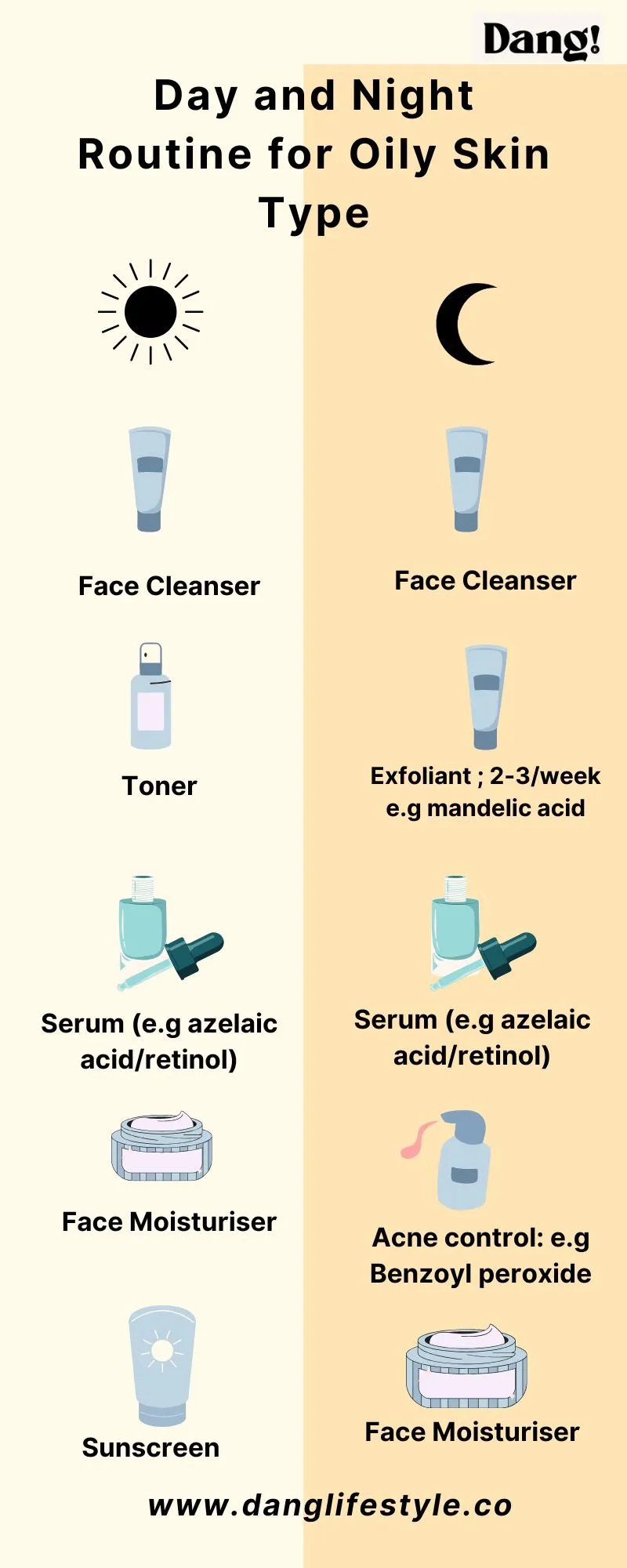
Daily Routine: Morning and Night Steps
Your daily flow is the core of how to care for oily skin. Keep it simple and steady. Consistency beats complex routines that burn out.
Morning routine:
- Cleanser Use a gentle gel or foaming cleanser with a pH around 5.5. Salicylic acid at 0.5–2% is ideal for oily zones.
- Treatment Apply niacinamide 2–5% to help reduce shine and refine pores.
- Moisturizer Choose a light, oil-free, non-comedogenic lotion or gel with humectants like glycerin.
- Sunscreen Apply a broad-spectrum SPF 30 or higher. Look for gel or fluid formulas with a matte finish.
Night routine:
- Cleanser Double cleanse only if you wore makeup or sunscreen. Start with a micellar or cleansing oil, then a gentle water-based cleanser.
- Target Apply salicylic acid, azelaic acid, or a retinoid. Introduce slowly to avoid irritation.
- Moisturizer Seal with a light gel-cream. If skin feels tight, layer a hydrating serum first.
Weekly tweaks:
- Exfoliate 1–3 times a week with BHA (salicylic acid). Avoid harsh scrubs.
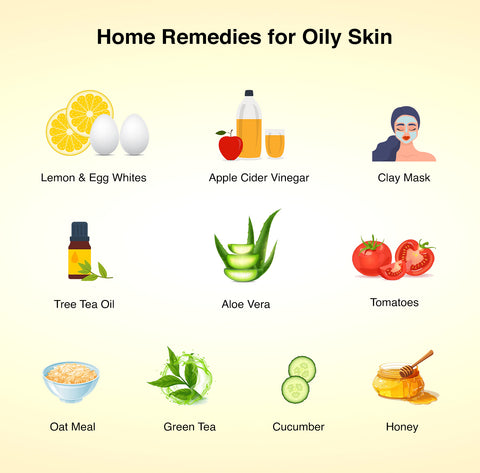
- Mask Use a clay mask on the T-zone for 10–15 minutes once a week.

Ingredients That Work for Oily Skin
A smart ingredient list is key in how to care for oily skin. Focus on agents that clear pores, calm inflammation, and support the barrier.
Top performers:
- Salicylic acid (BHA) Oil-soluble exfoliant that clears pores and reduces blackheads.
- Niacinamide Helps regulate oil, improves texture, and fades post-acne marks.
- Retinoids Speeds up cell turnover, prevents clogs, and softens fine lines.
- Azelaic acid Balances acne-causing bacteria and redness with low irritation risk.
- Benzoyl peroxide Reduces acne bacteria; use in low strengths to limit dryness.
- Clay (kaolin, bentonite) Absorbs excess oil and refines the look of pores.
- Zinc PCA and green tea Extracts that reduce shine and soothe skin.
- Humectants (glycerin, hyaluronic acid) Pull water into skin without adding oil.
Evidence shows these agents reduce sebum, unclog pores, and increase barrier health. If you are new to actives, add one at a time for two weeks. This helps you see what actually works.
Lifestyle Factors: Diet, Stress, and Environment
Lifestyle supports how to care for oily skin. Skin is a mirror of daily habits. Small changes compound over time.
Helpful habits:
- Food Choose whole foods, lean protein, and high-fiber carbs. Low glycemic diets may help reduce acne.
- Fats Add omega-3 sources like salmon, walnuts, or chia seeds.
- Hydration Drink water through the day. Dehydration can trigger more oil to compensate.
- Stress Practice short, daily stress breaks. Even a five-minute walk helps.
- Sleep Get 7–9 hours. Skin repairs at night.
- Climate Manage humidity with blotting papers and a mattifying primer. In dry air, use a light hydrating serum.
I ask clients to track triggers for two weeks. Many notice more shine after little sleep or heavy, sugary meals. Awareness drives better choices.
Makeup and Sunscreen Tips for Oily Skin
Your makeup and SPF plan is part of how to care for oily skin. The right textures can make or break your look and feel.
Makeup tips:
- Use a silicone-based primer to smooth and reduce shine.
- Choose oil-free, long-wear foundations labeled non-comedogenic.
- Set with a light, translucent powder. Press, do not rub.
- Blot midday with papers before adding more powder.
Sunscreen tips:
- Pick SPF 30+ gel or fluid sunscreens. Look for words like oil-control or dry-touch.
- Reapply every two hours if you are in the sun. Use powders or sticks for easy touch-ups.
- If sunscreen pills, reduce layers and let each step dry first.

Troubleshooting Common Problems
You will hit bumps while learning how to care for oily skin. Use these fixes to stay on track.
If you get more breakouts:
- Check for pore-clogging ingredients such as isopropyl myristate or heavy oils.
- Lower actives that irritate. Inflammation can worsen acne.
If skin is shiny and tight:
- You may be dehydrated. Add a hydrating serum and a gentler cleanser.
If pores look larger:
- Use salicylic acid and a retinoid at night. Consistency helps more than high strength.
If products sting:
- Patch test on the jawline for three days. Reduce frequency or switch to milder formulas.
If you overdo actives:
- Stop exfoliants for a few days. Use a bland moisturizer and sunscreen until calm.

When to See a Dermatologist?
Professional help is part of how to care for oily skin when over-the-counter steps fall short. Expert care saves time and protects your barrier.
Seek help if:
- You have painful cystic acne or deep nodules.
- You have dark spots that do not fade after three months.
- Your skin reacts to most products or burns often.
- You have signs of infection or severe irritation.
A dermatologist can offer prescription retinoids, antibiotics, azelaic acid, or procedures like chemical peels. If you consider isotretinoin, discuss risks, lab tests, and birth control where needed. Always be open about all products you use.
Frequently Asked Questions of how to care for oily skin
How often should I wash my face if I have oily skin?
Twice a day is enough for most people. Wash after workouts too, but avoid scrubbing or harsh soaps.
Do I really need moisturizer if my skin is oily?
Yes. Light, non-comedogenic moisturizers prevent dehydration, which can trigger more oil. Choose gel or lotion textures.
What is the best cleanser type for oily skin?
A gentle gel or foaming cleanser with a balanced pH works well. Salicylic acid helps clear pores without stripping.
Can oily skin be dehydrated at the same time?
Yes. Skin can lack water but still make plenty of oil. Add humectants like glycerin and keep cleanser gentle.
How often should I exfoliate oily skin?
Start with 1–3 times a week using BHA. Adjust based on comfort and avoid gritty scrubs that can irritate.
What sunscreen is best for oily skin?
Use broad-spectrum SPF 30+ in a gel or fluid. Look for oil-control or dry-touch finishes that set matte.
Do pore strips help with blackheads?
They remove surface plugs but can be harsh. Salicylic acid and retinoids give better long-term results.
Can diet reduce oil or acne?
Low glycemic foods and omega-3s may help. Track what you eat and how your skin reacts to find your pattern.
Conclusion
Learning how to care for oily skin is a process of gentle steps, smart ingredients, and steady habits. Focus on balance, not blame. Cleanse with care, treat with proven actives, and protect with SPF.
Start today with one change you can keep. Swap a harsh cleanser for a gentle one, or add niacinamide at night. If this guide helped, subscribe for more skin tips, share your progress, or leave a question so I can help you refine your routine.