

Skin care matters because it protects your barrier, prevents damage, and supports overall health.
If you have ever asked why is skin care important, here’s the short truth: your skin is your body’s largest organ and first line of defense. I’ve worked with clients who saw big changes by making small, smart tweaks.
Here, I’ll break down why is skin care important, what actually works, and how to set a routine you can keep. Let’s make it simple, evidence-based, and kind to your budget and time.

The science of your skin and why care matters
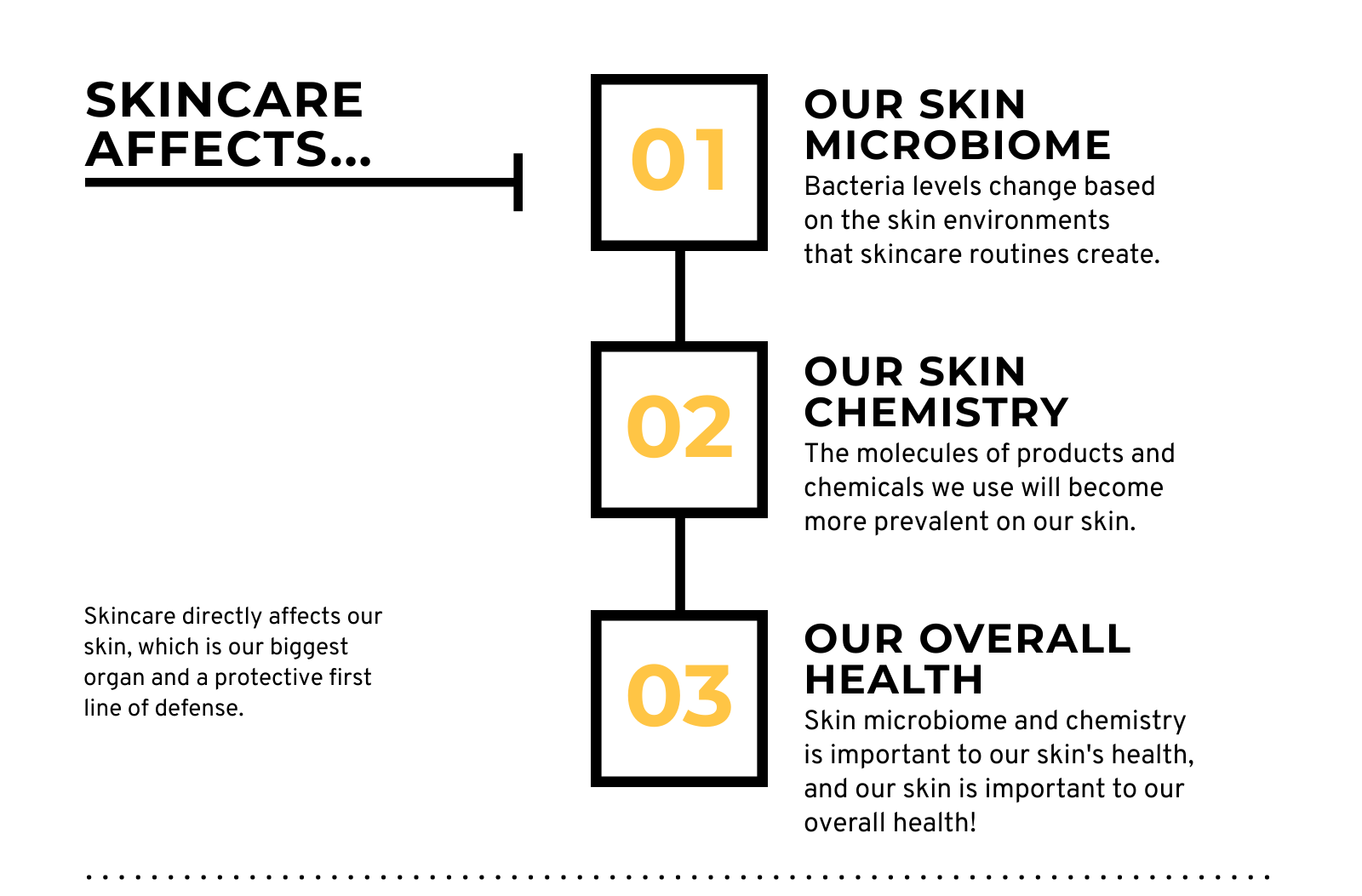
Your skin is a living shield. It locks in water, blocks germs, and filters UV rays. A strong skin barrier lowers irritation, dryness, and infection risk. This is the core reason why is skin care important.
The outer layer, the stratum corneum, acts like a brick wall. The “bricks” are skin cells and the “mortar” is lipids. When this wall breaks, water escapes and irritants get in. You may see flakes, stinging, or new breakouts.
Healthy skin also hosts a good mix of microbes. Think of them as friendly roommates. Gentle cleansing and the right pH help them thrive. Over-washing and harsh scrubs can kick them out.

Benefits you can feel and measure
Good skin care helps now and later. It lowers day-to-day issues like dryness, acne, and redness. It also slows signs of aging by protecting collagen and elastin.
Why is skin care important from a health lens? Sun protection cuts your skin cancer risk and helps prevent sun spots and wrinkles. Early checks catch changes fast. That gives you options and peace of mind.
There is a mental boost too. Clearer, calmer skin can lift mood and confidence. In my practice, small wins like less redness or fewer breakouts raised motivation. People stuck with routines because they saw results.

Core pillars: cleanse, treat, moisturize, protect
A simple routine beats a complex one. Start with four pillars. Then add only what you need.
- Cleanse: Use a gentle, pH-balanced cleanser. Wash at night to remove sunscreen, sweat, and dirt. In the morning, rinse or use a light cleanse based on your skin feel.
- Treat: Target a goal. Vitamin C for brightening. Niacinamide to calm oil and pores. Salicylic acid for acne. Retinoids to support collagen and texture. Start slow to avoid irritation.
- Moisturize: Choose textures that match your skin. Gel for oily. Cream for dry. Look for ceramides, glycerin, and hyaluronic acid to support your barrier.
- Protect: Use broad-spectrum SPF 30 or higher every morning. Reapply every two hours when outdoors. Sunscreen is the best anti-aging step you can take.
Why is skin care important here? Because these steps work together. They keep your barrier strong, support repair, and defend against sun and pollution.

Adapting care across ages and skin types
Skin needs shift over time. Teen skin may be oilier and breakout-prone. Adult skin can be drier with dullness or sensitivity. Mature skin often needs more repair and moisture.
- Oily or acne-prone: Use a gentle gel cleanser. Add salicylic acid or adapalene. Moisturize with light, non-comedogenic gels. Never skip sunscreen.
- Dry or sensitive: Use a cream cleanser. Focus on ceramides and soothing agents like centella. Try retinoids at a low dose with buffer nights.
- Deeper skin tones: Sunscreen still matters. It helps prevent hyperpigmentation. Choose mineral or hybrid filters that blend well and do not leave a cast.
For pregnancy or nursing, avoid high-dose retinoids. Niacinamide and azelaic acid are common go-tos. Check labels and ask your clinician. This is another angle on why is skin care important: safety and smart choices across life stages.
Lifestyle habits that power skin health
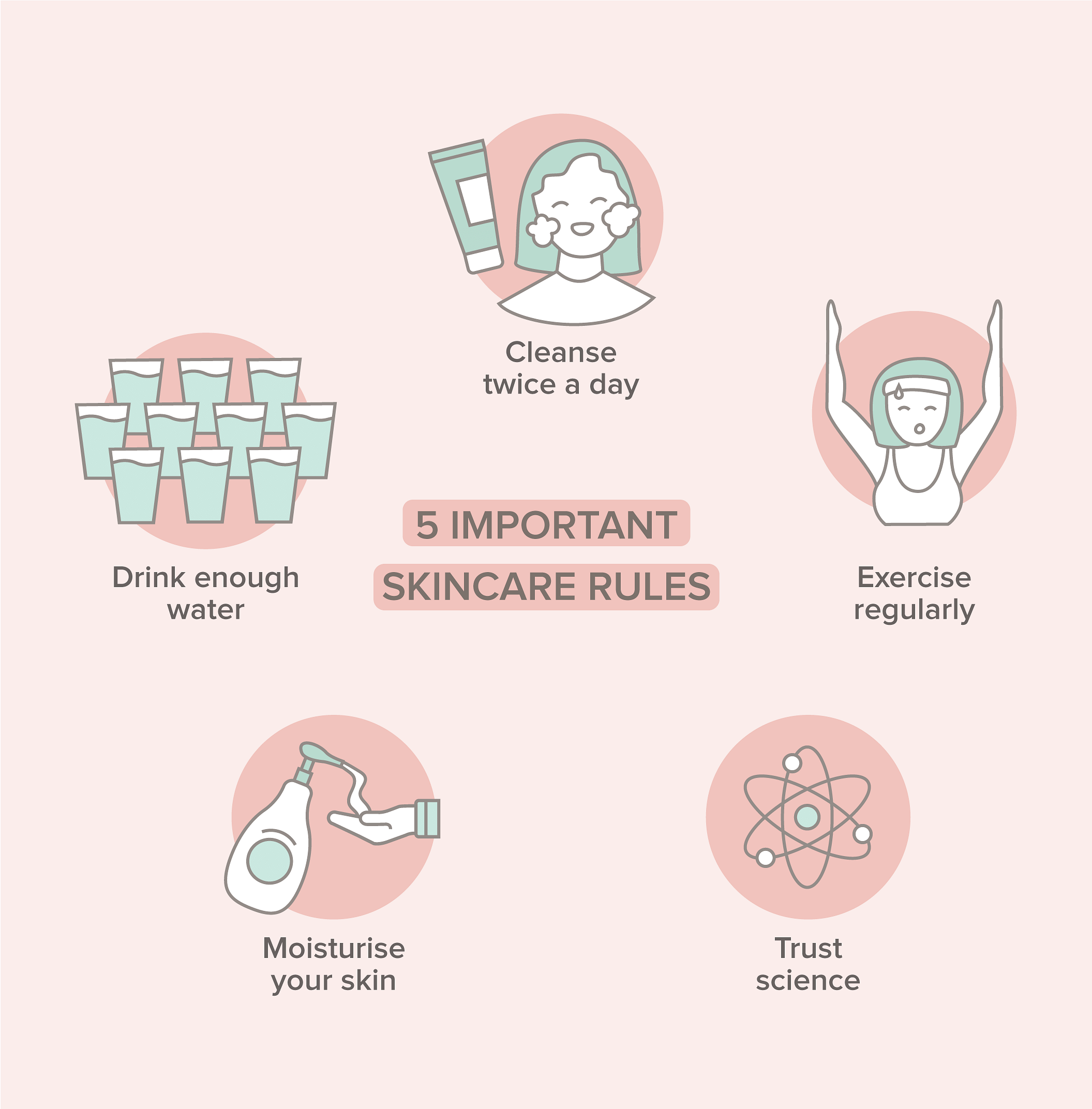
Skin care does not stop at the sink. Your daily habits help or harm your barrier.
- Sleep: 7–9 hours helps repair and collagen support. Poor sleep raises stress hormones that can flare acne and eczema.
- Diet: Aim for color on your plate. Fruits, veggies, omega-3 fats, and lean protein support skin. Very high sugar can spike inflammation.
- Stress: Chronic stress weakens the barrier. Try walks, breath work, or short breaks. Even five minutes helps.
- Environment: UV, smoke, and pollution speed damage. Use SPF, hats, and gentle antioxidants. Wash skin after heavy pollution exposure.
Research links these habits to better hydration, fewer flares, and stronger repair. Why is skin care important? It’s the daily link between your choices and your skin’s defense.

Build a routine you will actually keep
Here is a simple map you can start today. Keep it light and repeatable. I learned this after years of helping clients who felt overwhelmed.
Morning
- Cleanse or rinse
- Vitamin C or niacinamide
- Moisturizer
- Sunscreen SPF 30+
Night
- Cleanse
- Target treatment (retinoid, exfoliant on select nights)
- Moisturizer
- Minimalist: Cleanser, moisturizer, SPF. At night, add retinoid 2–3 nights per week.
- Acne-prone: Cleanser, salicylic acid or benzoyl peroxide (AM or PM), light gel moisturizer, SPF.
- Dry/sensitive: Cream cleanser, barrier serum, rich moisturizer, SPF. Use lactic acid or retinoid at very low strength and go slow.
Track 30 days. Note changes in oil, texture, and spots. Adjust one product at a time. This is how you prove to yourself why is skin care important: your notes show the gains.
Common myths and mistakes to avoid
I have made many of these mistakes myself. Learning the hard way taught me restraint.
- More products mean better results: Too many actives can inflame skin. Keep it simple.
- Oily skin does not need moisturizer: Lack of moisture can trigger more oil. Use a light gel.
- Pores open and close with steam: Pores do not have muscles. Heat only softens debris.
- Natural always beats lab-made: Safety and data matter more than source. Many lab-made ingredients are gentle and proven.
- You only need SPF on sunny days: Up to 80% of UV gets through clouds. Use SPF daily.
Avoiding these traps protects your barrier. It keeps you on track and shows why is skin care important for long-term results.
When to see a professional?
Get help if you have cystic acne, sudden rashes, infections, or changing moles. Pain, pus, fever, or a fast spread needs urgent care. New or changing dark spots should be checked.
Dermatology visits can include guidance, patch tests, and scripts like tretinoin or antibiotics when needed. They may also suggest procedures like peels or lasers. This is another proof point for why is skin care important: expert care prevents small issues from becoming big ones.
From my own experience, clients who sought help early saved time and money. They avoided months of trial and error. A clear plan brings relief and steady progress.

Frequently Asked Questions
Why is skin care important for daily life?
Your skin faces UV, pollution, sweat, and friction every day. A steady routine helps your barrier recover and prevents long-term damage.
Do I really need sunscreen if I work indoors?
Yes. UV rays still reach you through windows and short trips outside. Daily SPF cuts risk of sun damage and supports even tone.
How soon will I see results from a new routine?
Hydration can improve in days. Texture, tone, and fine lines may take 6–12 weeks of steady care.
Is exfoliating every day safe?
Usually not. Over-exfoliation weakens your barrier and causes stinging and flakes. Start with 1–3 times per week.
What makes a routine “good” for beginners?
A gentle cleanser, a basic moisturizer, and SPF 30+ each morning. Add one treatment at a time to target a clear goal.
Conclusion
Skin care is health care. It protects your barrier, lowers disease risk, and supports confidence. When people ask why is skin care important, the answer is simple: it keeps your best defense strong.
Start with small steps today. Pick a gentle cleanser, a moisturizer you like, and a sunscreen you will wear. Track your skin for 30 days and adjust with care. If this helped, subscribe for updates, share your routine wins, or leave a question so we can build your plan together.