

Most skincare shows first changes in 2 to 8 weeks; full results take months.
If you want a clear answer to how long does skin care take to work, you are in the right place. I help people set real timelines, choose smart formulas, and track progress with care.
We will look at what “working” means, by product and by skin goal, so you can plan with confidence and avoid guesswork.
What “working” really means in skincare
Results are not one thing. Your skin improves in layers. Some changes are fast, others slow. To set fair expectations, break results into types.
- Hydration and softness. Often within hours to days.
- Barrier repair. Two to six weeks with steady use.
- Fewer breakouts. Two to twelve weeks, depending on cause.
- Pigment and dark spots. Four to sixteen weeks at minimum.
- Texture and pores. Four to twelve weeks with acids or retinoids.
- Fine lines and firmness. Twelve weeks to six months with retinoids and sunscreen.
People often ask how long does skin care take to work when they want a clear date. It depends on the goal and the biology behind it. The deeper the change, the longer the runway.

Timelines by product type
This section gives simple, real timelines you can use. If you ask how long does skin care take to work for each product, use these ranges as a guide.
Cleanser
- First effects. Instant comfort if gentle; reduced oil by day one.
- Visible change. Calmer skin in one to two weeks if you stop harsh surfactants.
- Full results. Ongoing. A good cleanser keeps the barrier steady.
Moisturizer and barrier creams
- First effects. Softer skin within hours.
- Visible change. Less tightness in three to seven days.
- Full results. Two to six weeks for barrier lipids to rebuild.
Sunscreen (SPF 30+)
- First effects. Instant UV defense.
- Visible change. Fewer new dark spots in four to eight weeks.
- Full results. Wrinkle prevention and even tone over months to years.
Vitamin C (ascorbic acid 10–20%)
- First effects. Brighter look in two to four weeks.
- Visible change. Fading dark spots in six to twelve weeks.
- Full results. Tone correction in three to six months with daily SPF.
Retinoids (retinol, retinal, adapalene, tretinoin)
- First effects. Smoother feel in two to four weeks. Some dryness may occur.
- Visible change. Fewer fine lines and clearer pores in eight to twelve weeks.
- Full results. Texture, tone, and firmness gains in three to six months, often longer.
AHAs and BHAs (glycolic, lactic, salicylic)
- First effects. Glow in one to two weeks.
- Visible change. Fewer clogs and smoother texture in four to eight weeks.
- Full results. Marked change in pores and tone in two to three months.
Niacinamide (2–5%)
- First effects. Calmer redness in two to four weeks.
- Visible change. Smoother texture and less oil in four to eight weeks.
- Full results. Pore look and tone refine in two to three months.
Hyaluronic acid
- First effects. Plumper look within minutes to days.
- Visible change. Better bounce in one to two weeks.
- Full results. Supportive, ongoing; pair with a moisturizer to lock water in.
Benzoyl peroxide
- First effects. Fewer new pimples in one to two weeks.
- Visible change. Clearer skin in four to eight weeks.
- Full results. Best as part of an acne plan over three months.
Azelaic acid
- First effects. Calmer redness in two to four weeks.
- Visible change. Less acne and milder pigment in six to twelve weeks.
- Full results. Tone and texture balance in three to six months.
If you still wonder how long does skin care take to work with a full routine, expect early wins in weeks, and deeper change by the three to six month mark.
Why skin takes time: the biology
Skin runs on cycles. You cannot rush some steps, no matter how eager you are.
- Cell turnover. New skin cells rise to the surface in about four weeks in young skin. It slows with age. Many actives help, but the cycle still sets a base timeline.
- Barrier rebuild. Ceramides, cholesterol, and fatty acids need steady supply. That is why barrier results show after weeks, not days.
- Pigment change. Melanin lives in deeper layers. As skin turns over, dark spots fade. This can need eight to sixteen weeks, plus strict sun care.
- Collagen remodeling. This is slow work. Retinoids and sunscreen help. Real firming often needs three to six months.
So when you ask how long does skin care take to work, remember each layer runs on its own clock. Patience is part of the plan.

Factors that speed or slow results
Your routine can help or hold you back. Use these levers.
- Consistency. Daily SPF and steady use of actives beat bursts of effort.
- Dose and frequency. Start low, go slow, then build. More is not always better.
- Formula and pH. A well-made serum can beat a cheap one at the same percent.
- Skin type and tone. Oil, dryness, and melanin level shape response and risk of marks.
- Sun, heat, and pollution. These add stress. Use SPF, shade, and gentle cleansing.
- Lifestyle. Sleep, stress, and diet affect inflammation and repair.
From my work with clients, a common roadblock is mixing too many actives fast. That can cause irritation and a setback. If you ask how long does skin care take to work when you overdo it, the answer becomes longer due to repair time.

A simple 12‑week plan to see change
Use this plan to stack the odds in your favor.
- Set one main goal. Clear acne, fade spots, or smooth texture. Not all at once.
- Take baseline photos. Same light, same angle, no filters.
- Build a core. Gentle cleanser, moisturizer, broad-spectrum SPF 30+.
- Add one active at a time.
- Acne. Benzoyl peroxide AM, adapalene or retinol PM.
- Tone. Vitamin C AM, retinoid or AHA PM on alternate nights.
- Barrier. Niacinamide and ceramide cream; limit exfoliation.
- Schedule.
- Weeks 1–2. Patch test. Use actives two to three nights a week.
- Weeks 3–6. Increase to most nights if skin stays calm.
- Weeks 7–12. Hold steady. Track photos every two weeks.
- Adjust with care. If you get stinging or flakes, pause actives. Repair the barrier. Then reintroduce.
This is the most honest answer to how long does skin care take to work for most goals: give it at least 12 weeks of steady effort.

Real‑world case notes from practice
These short cases show what to expect. They match what I see often.
- Mild acne, oil prone skin
- Routine. Benzoyl peroxide 2.5% AM. Adapalene 0.1% PM. Gel moisturizer. SPF.
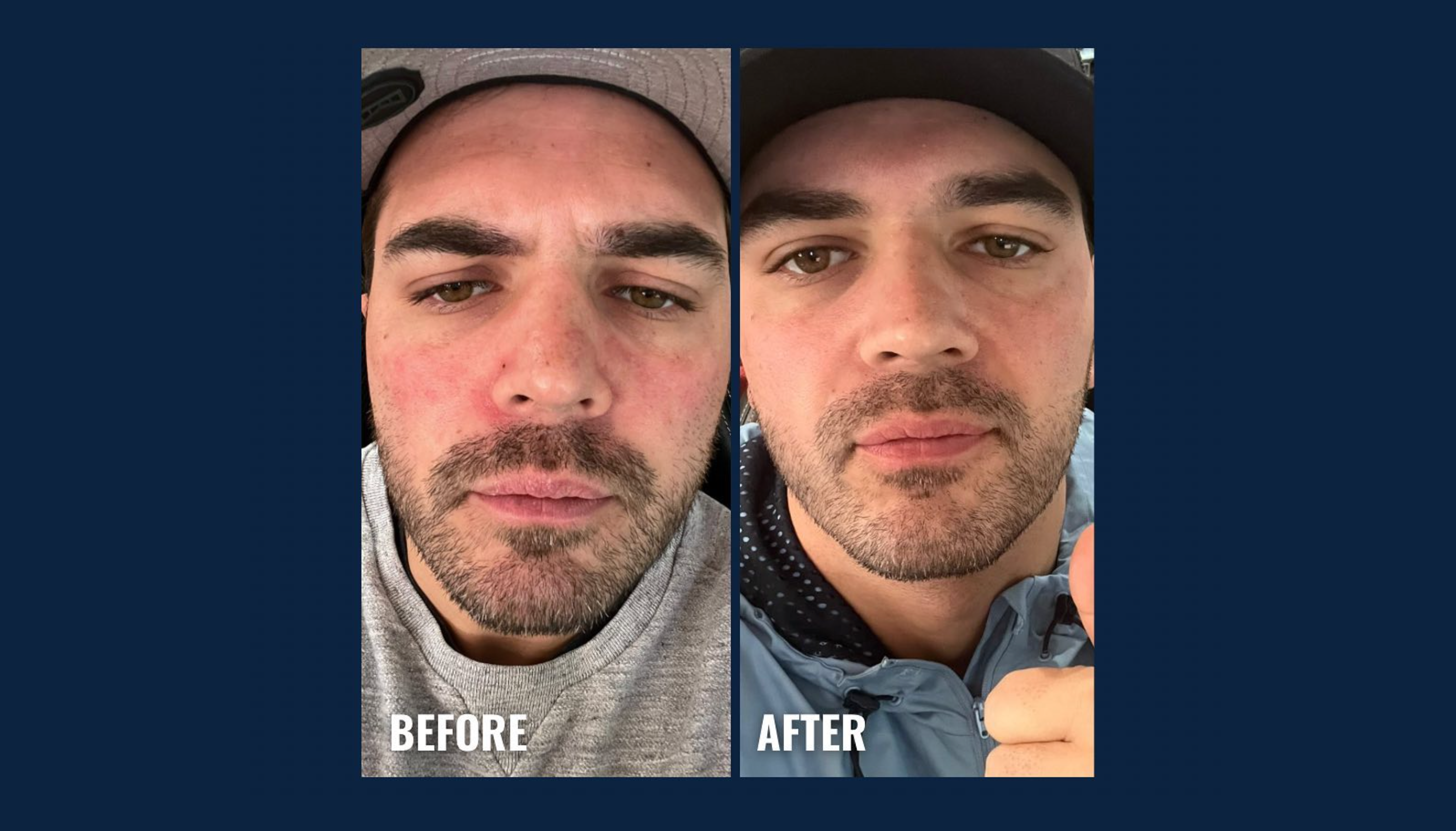
- Timeline. Fewer new pimples by week 2. Noticeable clarity by week 6. Mark fading by week 12.
- Lesson. Purging may happen in weeks 2–4. Stick with it if mild.
- Post‑inflammatory dark spots after breakouts
- Routine. Vitamin C AM. Sunscreen every day. Retinol PM three nights a week.
- Timeline. Brighter look by week 4. Spots soften by week 8. Strong fade by week 16.
- Lesson. Sunscreen is the lever. Without it, spots return.
- Damaged barrier after over‑exfoliation
- Routine. Stop acids and scrubs. Use ceramide cream, petrolatum at night, and a gentle cleanser.
- Timeline. Less sting in one week. Calm, steady skin by week 3. Back to actives by week 4 or 5.
- Lesson. Repair first. This saves months of trouble.
These show why the answer to how long does skin care take to work depends on the start point and the plan.

When to switch or see a professional?
Do not wait too long to get help. Use these checkpoints.
- No change after 12 weeks of steady use at a fair dose.
- Worsening acne, cysts, or deep pain.
- Spreading rash, hives, or severe peeling.
- Dark spots getting darker despite daily SPF.
- Signs of steroid overuse if you self-treated a rash.
Dermatology care can add tools. Prescription retinoids, azelaic acid, antibiotics, or procedures like peels and lasers can speed results. If you ask how long does skin care take to work under medical care, timelines can shorten, but follow the plan and protect your barrier.
Frequently Asked Questions of how long does skin care take to work
How long does skin care take to work for acne?
Most mild acne routines show change in two to six weeks. Give a full twelve weeks before making big changes, unless you have strong irritation.
How long does skin care take to work for dark spots?
Expect eight to sixteen weeks with vitamin C, retinoids, and strict sunscreen use. Deeper melasma often needs medical care.
Can I speed up how long does skin care take to work?
You can help by being consistent, using SPF daily, and not over-exfoliating. More product or higher strength too fast will likely slow you down.
When should I stop a product if I see no results?
If there is zero change by week 12, reassess the formula, dose, and routine. If you have irritation, stop sooner and focus on repair.
Does purging mean my skincare is working?
Purging can happen with retinoids or acids as clogged pores clear. It should settle within four to six weeks; if not, reduce use or seek advice.
How long does skin care take to work for anti-aging?
Fine lines may soften in eight to twelve weeks with retinoids and SPF. Firmness and deeper texture changes take three to six months or longer.
How long does skin care take to work for redness?
With gentle care and trigger control, redness may calm in two to four weeks. Persistent redness can point to rosacea and may need a doctor.
Conclusion
Skincare results follow biology and habit. Quick wins come in days to weeks, while deeper change needs months. The honest answer to how long does skin care take to work is this: set one goal, use a smart routine, protect with SPF, and track for at least twelve weeks. Small steps, done daily, beat quick fixes.
Start today. Pick your goal, take a photo, and build your core routine. If you want more guides like this, subscribe and share your progress in the comments.