

Cleanse gently, moisturize daily, wear SPF, and use targeted actives at night.
You want clear, calm, and bright skin that lasts. If you want to learn how to care face skin the right way, you need simple steps, smart ingredients, and steady habits.
I have tested countless routines on different skin types, and this guide shows how to care face skin with proven methods, personal insight, and expert-backed advice. Read on to build a routine that fits your life and your skin.
Understand Your Skin Type and Its Needs
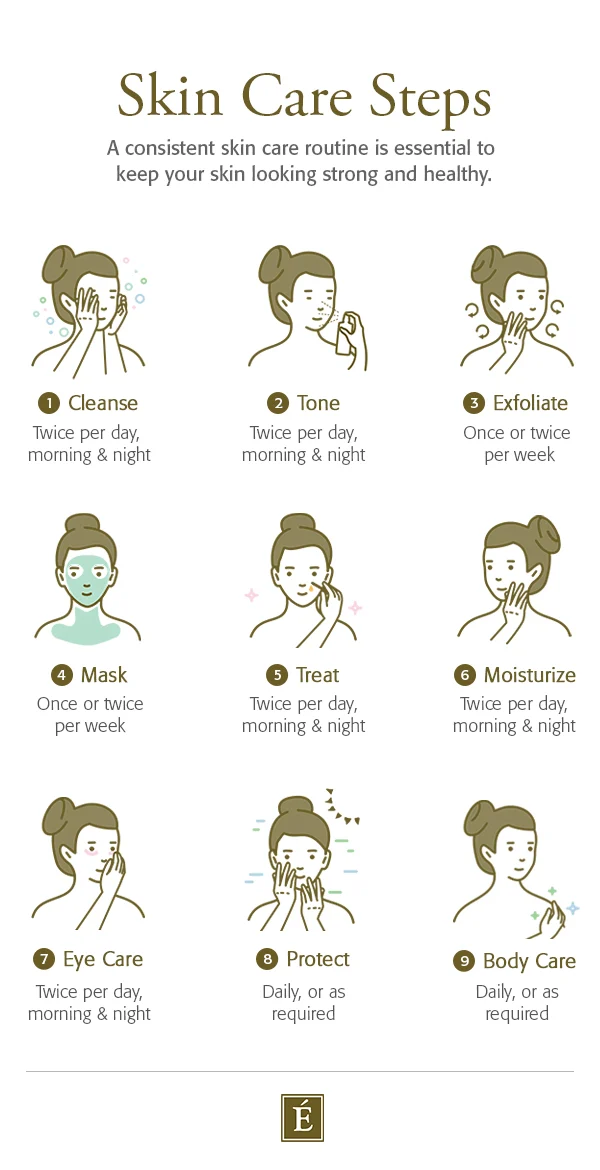
The first step in how to care face skin is to know your skin type. Skin tends to be normal, dry, oily, combination, or sensitive. Your type can change with seasons, hormones, or stress. Match your products to your current state, not your past.
Use a simple check. Wash, wait one hour, then press a tissue on your face. Shine and damp spots suggest oil. Tightness and flaking suggest dryness. Both at once suggest combination skin.
Watch your barrier health. Redness, stinging, and tiny cracks show a weak barrier. In my work, many “oily” clients were actually dehydrated. Once we added gentle hydration, shine dropped and breakouts eased.
Healthy skin feels comfortable. It does not sting after washing. It holds moisture and reflects light, not oil. Knowing this sets the tone for how to care face skin with less guesswork.
Build a Simple Daily Routine That Works
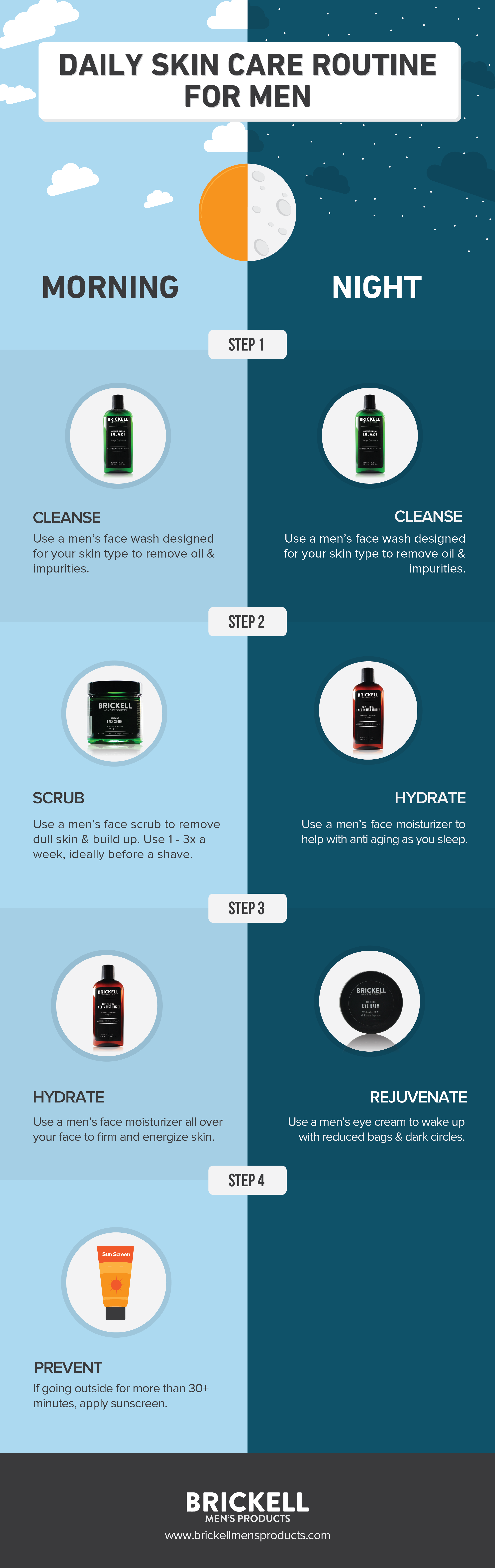
A daily plan is the core of how to care face skin. Keep it short so you can stay consistent. Morning is for protection. Night is for repair.
- Cleanser Use a gentle, pH-balanced face wash. Avoid harsh foaming agents if you feel tight after rinsing.
- Treat Use an antioxidant serum, such as vitamin C or a mix with ferulic acid. It helps fight dullness and supports collagen.
- Moisturizer Choose a light lotion or gel if you are oily. Pick a cream if you are dry or live in a cold climate.
- Sunscreen Use broad-spectrum SPF 30 or higher every day. Use the two-finger rule for face and neck. Reapply every two hours outdoors.
Night routine:
- Cleanser Cleanse once if you wore little makeup. Double cleanse if you used sunscreen, makeup, or sweat a lot.
- Treat Use a targeted serum or retinoid on clean, dry skin. Start two nights a week and go slow.
- Moisturizer Seal in hydration with a cream that has ceramides and glycerin. If you feel tight, add a few drops of squalane.
Layer from thin to thick. Water serums go first, then creams, then oils. A pea-size of retinoid is enough for the whole face. This simple flow is a reliable path in how to care face skin.
Weekly and Monthly Upgrades
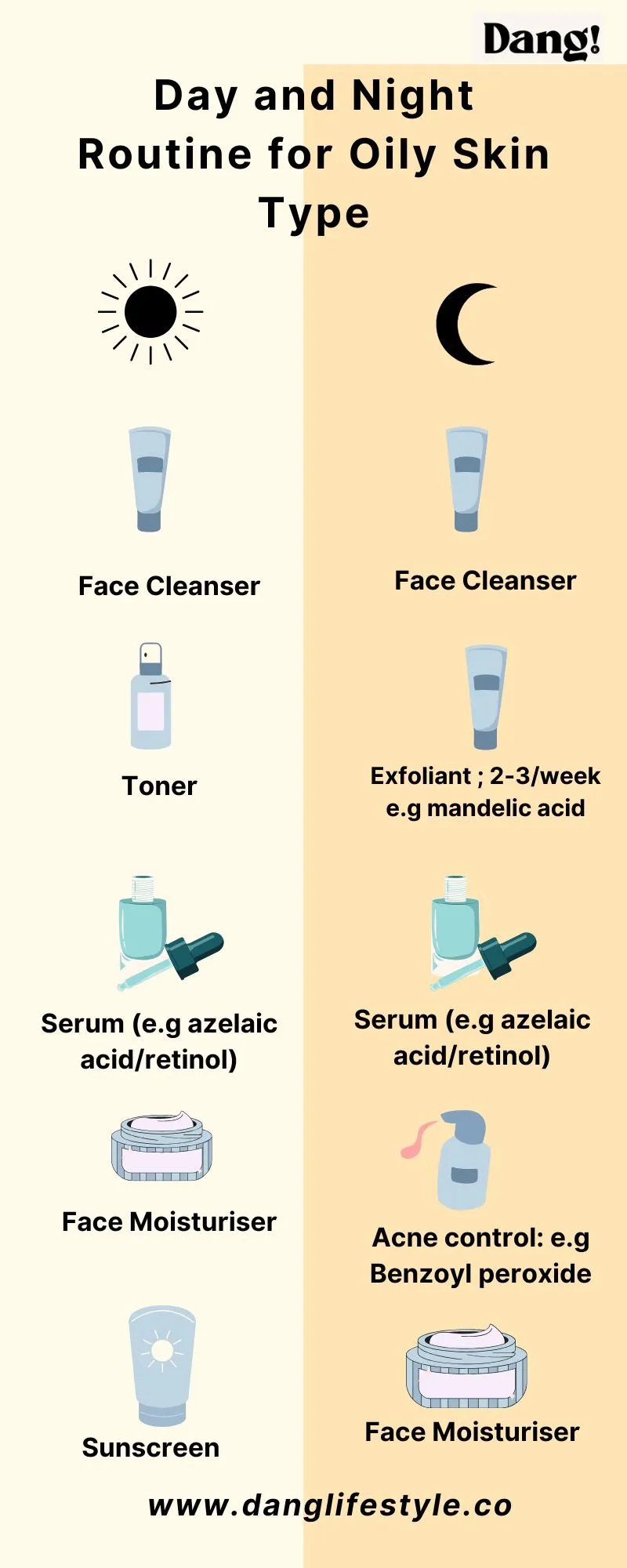
The next layer in how to care face skin is steady, light upgrades. These boost glow without stress.
Do gentle exfoliation:
- Use a leave-on AHA, such as lactic or glycolic acid, one to three times a week.
- Try BHA, like salicylic acid, if you have clogged pores or blackheads.
- Skip scrubs with rough particles. They can scratch and inflame.
Mask with purpose:
- Clay masks help with oil and shine. Use once a week on the T-zone.
- Hydrating masks soothe dry or tight areas. Look for aloe, panthenol, and hyaluronic acid.
- Sheet masks can help before events. Keep them cool for extra calm.
Plan resets:
- If irritation shows, stop actives for three to five days.
- Use a bland routine: cleanser, barrier serum with niacinamide, and a ceramide cream.
- Once calm, reintroduce one active at a time.
Quarterly checks:
- Review what works. Adjust for season, stress, or travel.
- Replace old products. Sunscreen and vitamin C serums lose power with time and light.
These small steps help you stay flexible. That is key to how to care face skin across the year.

Ingredient Guide: What Works and Why
Actives matter in how to care face skin. Pick a few that match your goals and skin type.
Brightening and protection:
- Vitamin C Supports collagen and fades dullness. Use 10 to 20 percent in the morning if skin allows.
- Niacinamide At 2 to 5 percent, it evens tone, reduces oil, and supports the barrier.
- Azelaic acid Calms redness and helps with dark spots. It is gentle and safe for many skin types.
Texture and acne care:
- Retinoids Improve fine lines, tone, and pores. Start low and slow at night. Skip in pregnancy.
- Salicylic acid Unclogs pores and reduces blackheads. Great for oily and acne-prone skin.
- Benzoyl peroxide Kills acne bacteria. Use 2.5 to 5 percent to limit dryness.
Hydration and repair:
- Hyaluronic acid Attracts water to the skin. Works well under moisturizer.
- Ceramides Restore the barrier. Look for them in creams for dry or sensitive skin.
- Panthenol and allantoin Calm and soothe. Good for irritated or post-shave skin.
Smart pairings:
- Vitamin C in the morning and retinoid at night is a classic combo.
- Avoid layering strong acids and retinoids on the same night at first.
- If using benzoyl peroxide and a retinoid, split them into morning and night.
Simple rules lower the risk of irritation. That is why smart selection is central to how to care face skin.
Lifestyle Habits That Show on Your Face
Your habits shape results in how to care face skin. Products help, but daily choices seal the deal.
Eat for steady energy:
- Focus on whole foods, lean protein, and fiber.
- Add omega-3 sources like salmon, walnuts, or chia seeds.
- High glycemic foods may worsen acne for some people. Watch how your skin reacts.
Sleep and stress:
- Aim for seven to nine hours each night. Skin repairs as you sleep.
- Manage stress with walks, breath work, or journaling. Stress can trigger breakouts and redness.
Sun-smart habits:
- Seek shade between 10 a.m. and 4 p.m.
- Wear hats and UV-blocking sunglasses.
- Reapply sunscreen during long outdoor time.
Clean touches:
- Change pillowcases often.
- Clean phone screens.
- Wash makeup brushes weekly.
These simple acts are everyday proof of how to care face skin beyond the bathroom shelf.
Seasonal and Age-Based Adjustments
Seasonal shifts are key in how to care face skin. Weather changes your barrier and oil levels.
Winter care:
- Use richer creams with ceramides and shea butter.
- Add a humidifier at night.
- Cut exfoliation if you feel stingy or see flakes.
Summer care:
- Switch to gel moisturizers.
- Add a gentle BHA toner for pores.
- Blot oil instead of stripping skin with harsh cleansers.
Age-based notes:
- Teens and early 20s Keep it simple. Gentle cleanser, light moisturizer, SPF, and spot care.
- Late 20s to 30s Add retinoids for early lines and texture.
- 40s and beyond Look for peptides, antioxidants, and more emollient textures.
Pregnancy and nursing:
- Avoid retinoids. Consider azelaic acid, niacinamide, or vitamin C after medical advice.
Adjusting with care is a quiet skill in how to care face skin through life.

Routine Builder: Examples for Common Skin Goals
These examples show how to care face skin for common goals. Use them as a base and tweak as you learn your triggers.
For acne-prone skin:
- Morning Cleanser, niacinamide serum, oil-free moisturizer, SPF 50.
- Night Cleanser, salicylic acid or benzoyl peroxide on spots, light gel moisturizer. Add retinoid two to three nights a week.
For dry or sensitive skin:
- Morning Creamy cleanser, hyaluronic acid serum, ceramide cream, SPF 30 mineral sunscreen.
- Night Creamy cleanser, barrier serum with panthenol, rich cream. Retinoid microdose once a week if tolerated.
For dark spots and dullness:
- Morning Gentle cleanser, vitamin C serum, moisturizer, SPF 50.
- Night Cleanser, azelaic acid or mandelic acid serum, moisturizer. Retinoid two to four nights a week when skin is stable.
For mature skin with fine lines:
- Morning Cleanser, vitamin C plus peptides, moisturizer, SPF 50.
- Night Cleanser, retinoid, niacinamide layer, nourishing cream. Add a hydrating mask once a week.
I often start clients with these simple maps. Then we adjust one lever at a time. That slow, steady tune-up is at the heart of how to care face skin.
Common Mistakes to Avoid
Avoid these errors in how to care face skin. They are small but powerful.
- Doing too much at once Stacking many actives invites irritation. Add one product every two weeks.
- Skipping sunscreen UV damage undoes weeks of progress. SPF is non-negotiable.
- Over-exfoliating Red, tight, shiny skin is a warning. Cut back to once or twice a week.
- Not cleansing at night Sunscreen and city grime can clog pores. Wash every evening.
- Picking pimples It spreads bacteria and deepens dark marks. Use pimple patches instead.
I learned the hard way with over-exfoliation. My fix was a plain routine for a week, then slow rebuild. That is the smarter path in how to care face skin.
Safety, Patch Testing, and When to See a Dermatologist
Safety is part of how to care face skin. A quick patch test can save you days of redness.
Patch test steps:
- Apply a small amount behind the ear or on the jawline.
- Wait 48 hours. Watch for rash, swelling, or strong itch.
- If clear, use on the full face every other night to start.
Know the difference:
- Purging shows up as small, fast whiteheads in usual acne zones after starting actives.
- Irritation looks like burning, flaking, and new redness in odd areas.
See a professional when:
- You have cystic acne, sudden rashes, or severe eczema.
- You notice changing moles or non-healing spots.
- Pigmentation or acne does not improve after 12 weeks of steady care.
These guardrails keep your skin journey safe and steady.
Frequently Asked Questions of how to care face skin
How often should I wash my face?
Most people do well with twice daily cleansing. If your skin is very dry, cleanse once at night and rinse with water in the morning.
What SPF should I use every day?
Choose broad-spectrum SPF 30 or higher. Use more for long outdoor time and reapply every two hours.
Can I use vitamin C and retinoid together?
Yes, but not at the same time in the beginning. Use vitamin C in the morning and a retinoid at night.
How long before I see results from a new routine?
You may see better hydration in one week. Texture and tone often improve over six to twelve weeks.
Do I need toner?
You do not need a toner if your cleanser and serums are balanced. Use one only if it adds a clear benefit, like gentle exfoliation or calming.
Conclusion
Clear, calm, and bright skin comes from steady habits, not harsh fixes. Build a simple routine, choose smart ingredients, and adapt with the seasons. Track your skin, go slow with actives, and protect with SPF every day.
Start today with one small change. Cleanse gently tonight, apply a soothing moisturizer, and set out your sunscreen for morning. If this guide helped, subscribe for more skincare walkthroughs or share your questions in the comments.