

Yes, skin care expires, and using it past its prime can harm your skin.
As a skin care specialist who audits product labs and home routines, I get this question often: does skin care expire? It does, and the rules are clear once you know how labels, preservatives, and active ingredients work.
In this guide, I break down dates, decoding tips, science-backed shelf lives, and real-world advice so you can protect your skin and your wallet.

What “expired” means in skin care?
People ask, does skin care expire? Yes. Over time, formulas break down, preservatives weaken, and actives lose power. That change can lead to irritation, infection risk, or a product that simply stops working.
Regulatory bodies treat most cosmetics as products with a finite life. Some products must show an expiration date. Others use a Period After Opening (PAO) symbol to guide safe use. Either way, the answer to does skin care expire is yes, and it depends on both the date and how you store it.
Unopened products usually last longer than opened ones. Air, fingers, light, and heat speed up decay after you first open a jar or bottle.

How to read expiration dates and PAO symbols?
If you wonder does skin care expire fast, start with the label. Most products show one or more of the following:
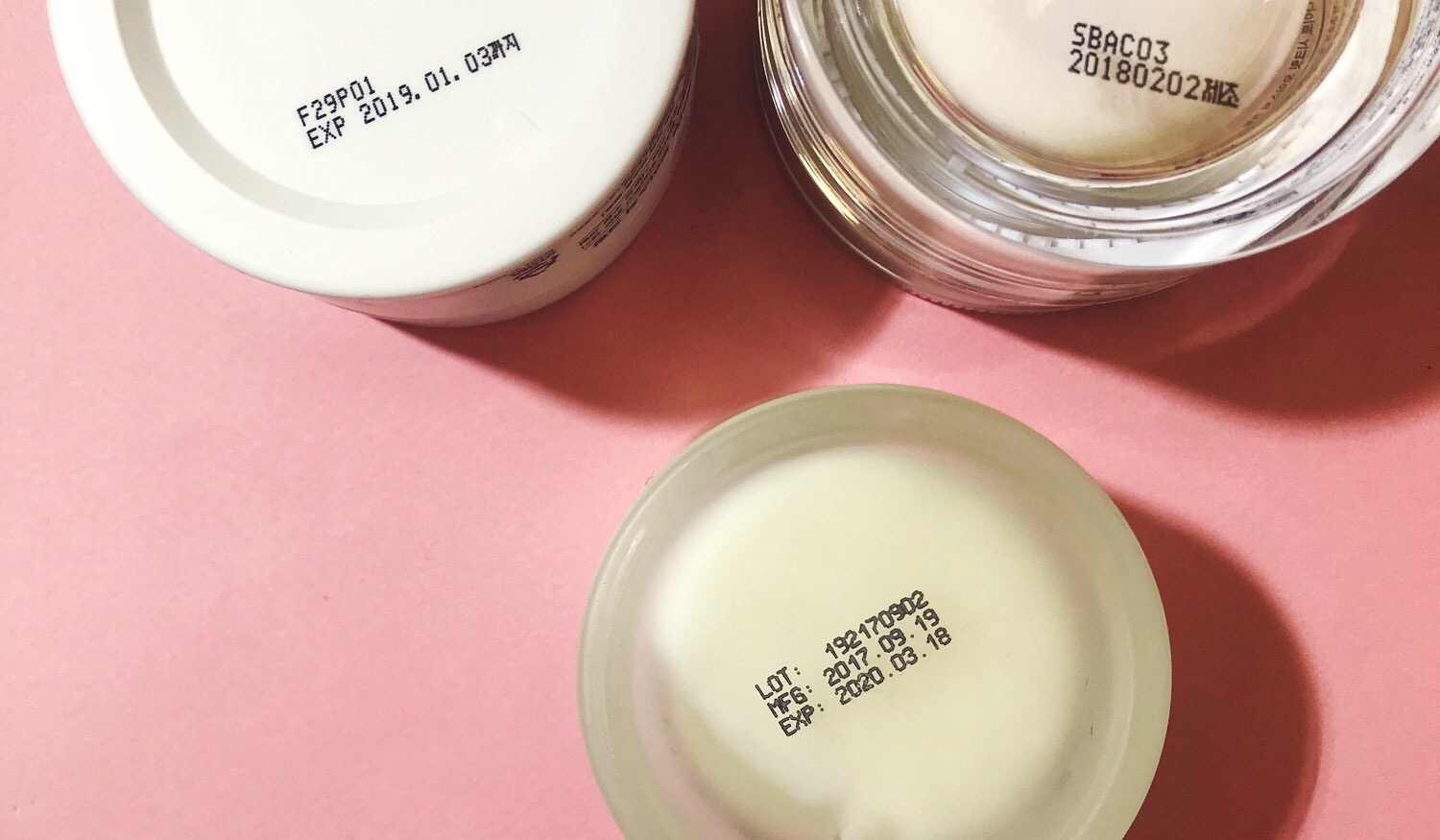
- Expiration date. A month and year that marks the end of guaranteed quality.
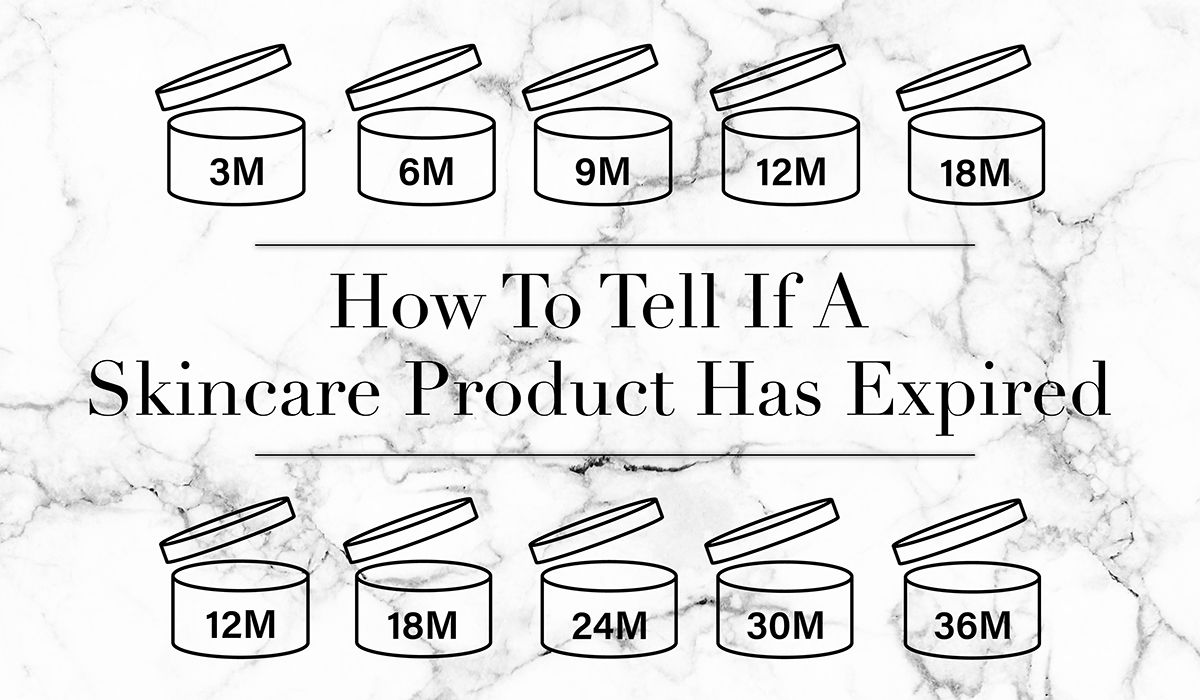
- PAO symbol. A small open jar with a number like 6M, 12M, or 24M. It tells you how many months after opening the product stays good.
- Batch code. A factory code. You can ask brands to confirm when it was made.
Write your open date on the bottle. I keep a fine-tip marker in my bathroom. It takes five seconds and prevents guesswork later.

What shortens shelf life?
You might ask, does skin care expire faster with light and heat? It does. These stressors break formulas and actives.
- Heat. Bathrooms get hot. Heat speeds chemical reactions and weakens preservatives.
- Light. UV light breaks down vitamin C and retinoids. Clear bottles offer little protection.
- Air. Oxygen oxidizes oils and actives. Pumps beat jars for this reason.
- Water. Water invites microbes. Splashing or wet fingers can contaminate jars.
- Dirty tools. Double-dipping or touching droppers to skin spreads bacteria.
In my audits, the biggest culprits are steamy showers and jar packaging without spatulas. Small changes in habit make a big difference.
Signs your product has gone bad
When you ask does skin care expire, look for these signs. Trust your senses, not just the calendar.
- Smell shift. Rancid, sour, or crayon-like odors mean oils oxidized.
- Color change. Vitamin C turns from clear to yellow or brown. Retinol may darken.
- Texture issues. Separation, clumps, or a watery layer suggests instability.
- Irritation. A product you once tolerated now stings, reddens, or breaks you out.
- Mold or specks. Any visible growth or unknown particles mean toss it now.
A quick test I use: spread a small amount on white tissue. Check color, specks, and texture before it goes on your face.
Typical shelf lives by product type
Below are timelines if you ask does skin care expire by type. Assumes room temperature, closed after use, and clean handling.
- Sunscreen. Unopened up to 3 years; opened 6–12 months. Discard by expiry date. Sun protection is too important to risk.
- Vitamin C serums (L-ascorbic acid). Unopened 6–12 months; opened 3–6 months, shorter if clear bottle or warm storage.
- Retinoids (retinol, retinal). Unopened 12–24 months; opened 6–12 months. Keep away from light and heat.
- Benzoyl peroxide. Unopened 12–24 months; opened 3–6 months. It degrades and can bleach fabrics.
- AHA/BHA exfoliants. Unopened 24–36 months; opened 12–24 months. Stable at low pH if capped tight.
- Peptide serums. Unopened 12–24 months; opened 6–12 months. Sensitive to contamination.
- Moisturizers and creams. Unopened 24–36 months; opened 12–24 months. Jars shorten life if you dip fingers.
- Face oils. Unopened 12–24 months; opened 6–12 months. High-linoleic oils go rancid faster.
- Eye creams. Unopened 24 months; opened 6–12 months. The eye area is delicate; be strict.
- Clay masks. Unopened 24 months; opened 6–12 months. Avoid adding water into the jar.
- Natural or preservative-free products. Often 3–6 months opened. Some require refrigeration.
Note: Sunscreens and acne actives are often regulated as drugs in some countries. They must show an expiration date. Do not use them past that date.
Storage habits that extend product life
People ask does skin care expire in the bathroom. It can expire faster there due to steam and heat. Good storage can double practical life.
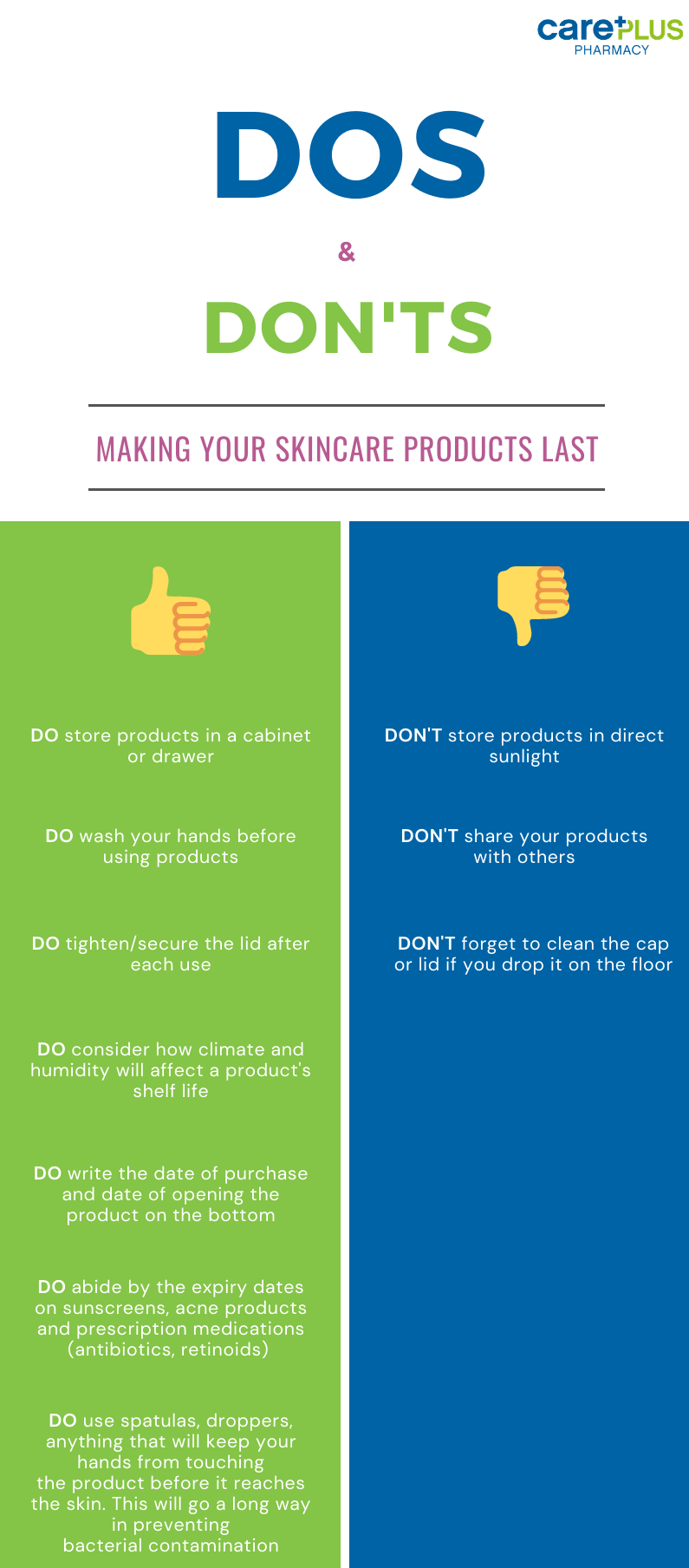
- Keep products in a cool, dry place. A drawer or cabinet away from the shower works best.
- Use pumps or squeeze tubes. They limit air and fingers.
- Cap tightly. Wipe the neck to prevent crust that traps air.
- Shield from light. Amber or opaque bottles are better for light-sensitive formulas.
- Consider a skincare fridge for vitamin C or eye gels. Avoid freezing.
I store my actives in a dark box at room temperature. My vitamin C lasts longer and stays clear.

When to toss and when it may still be safe?
You may ask does skin care expire if it still looks fine. Dates guide you, but signs and function matter too.
Toss it if:
- The smell, color, or texture changed.
- It causes new stinging, redness, or breakouts.
- It is a sunscreen past its date, or any product with visible contamination.
You can usually finish it if:
- It is within PAO, looks and smells the same, and still performs.
- It is a dry, anhydrous oil with no rancid odor.
When unsure, do a patch test on your inner arm for two days. No reaction, no problem.
Build a smart routine to avoid waste
Plan ahead so “does skin care expire” is no longer a worry. Buy sizes you can finish within the PAO. Rotate actives with a simple system.
- Mark the open date with a marker or sticker.
- Use actives on a set schedule. For example, vitamin C in the morning, retinol on alternate nights.
- Finish one product before opening another in the same category.
- Keep a small tray for “open now” items. Store backstock elsewhere.
My rule: no backup of actives unless I am within four weeks of finishing the current one. It keeps cash and products fresh.
Travel, hygiene, and contamination tips
Travel raises the question: does skin care expire faster on flights? Pressure and heat swings can stress formulas. Protect them.
- Decant into small, opaque bottles to reduce air exposure.
- Do not let droppers touch your skin. If they do, wipe with alcohol and let dry.
- Use spatulas for jars. Wash and dry them after each use.
- Keep products out of hot cars and sunny windows.
On shoots, I carry alcohol wipes and label mini bottles with the date. It cuts down on waste and skin surprises.
Environmental impact and proper disposal
As you consider does skin care expire, think about disposal. Many products should not go down the drain.
- If it is oil-based or a physical scrub, wipe into the trash first, then rinse the container.
- Recycle clean glass and certain plastics per your city’s rules.
- Use mail-in beauty recycling when local programs are limited.
- Keep caps on bottles in the recycling bin so small parts do not jam machines.
Reducing waste starts with buying only what you can use before it expires. Your skin and the planet both win.
Frequently Asked Questions of does skin care expire
Does skin care expire if unopened?
Yes. Unopened items still age. Most last 2–3 years sealed, but actives like vitamin C may be shorter. Store cool and dark to help.
How do I know if my sunscreen is expired?
Check the printed date. If none, look for smell or texture changes and separation. When in doubt, replace it; sun safety is non-negotiable.
Can I use expired moisturizer?
If it smells fine and looks normal, irritation risk is lower than with actives. Still, preservatives weaken, so use caution and patch test.
Does natural or preservative-free skin care expire faster?
Often yes. Without robust preservatives, these products may last only 3–6 months after opening. Refrigeration can help if the label allows.
Do refrigerated products last longer?
Sometimes. Cooler temps slow oxidation for vitamin C and eye gels. Do not refrigerate products the brand advises to keep at room temperature.
Is a color change always bad?
Usually it means oxidation or instability, especially for vitamin C and retinoids. Minor shifts can be harmless, but strong changes mean toss it.
Conclusion
Skin care does expire, and the stakes are real: ineffective actives, higher irritation risk, and wasted money. Read labels, mark open dates, and store products away from heat and light. Use your senses and a simple routine to keep everything fresh and safe.
Take action today. Check your shelf, note open dates, and plan to finish what you own. Subscribe for more evidence-based skin care tips, or leave a comment with your toughest product question.