

There is no single best skin care line for aging skin; match actives to needs.
If you want real results, you need a plan, not hype. In this guide, I share how I evaluate what is the best skin care line for aging skin, the ingredients that truly work, and how to build a routine that fits your goals, budget, and skin type.
I have tested many lines over years of work with clients and mature skin. You will leave with a clear answer and a plan you can start today.

What “best” really means for aging skin?
Best is personal. It depends on your skin type, goals, tolerance, and budget. A great line has evidence-based actives, smart packaging, and clear claims. It also has products that work well together without causing irritation.
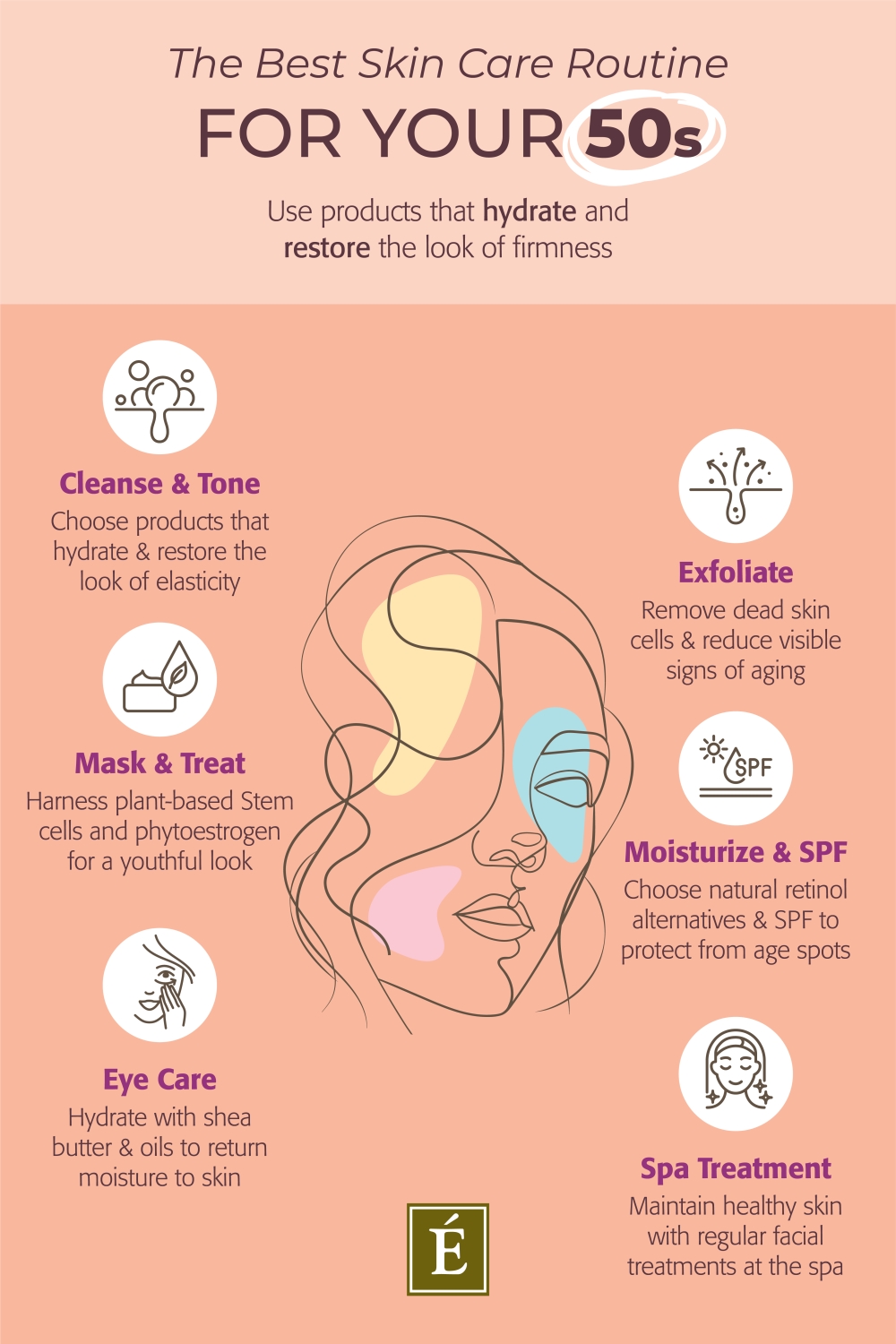
Ask what is the best skin care line for aging skin for you, not for everyone. Your answer should map to your needs. Fine lines, sun spots, sagging, and dryness need different tools. A good routine blends collagen support, barrier care, and daily sun defense.
:max_bytes(150000):strip_icc()/is-anti-aging-tout-a9f041d8b6084b3686e65ac7300782d3.jpg)
Science-backed ingredients that define a great line
Look for lines built around proven actives. These target collagen, tone, texture, and moisture. They also protect skin from ongoing damage.
- Retinoids. Improve fine lines, texture, and collagen over time. Start slow. Look for retinol, retinaldehyde, or prescription tretinoin.
- Vitamin C (L-ascorbic acid). Brightens and supports collagen. Most effective at 10 to 20 percent with low pH and opaque, air-tight bottles.
- Sunscreen. The non-negotiable step. Use broad-spectrum SPF 30 or higher, every morning, all year.
- AHAs and BHAs. Glycolic and lactic acids smooth skin and boost glow. Salicylic acid helps pores and acne-prone skin.
- Niacinamide. Calms, brightens, and supports the barrier. Plays well with most actives.
- Peptides and growth factors. May support firmness and repair. Look for lines with peer-reviewed testing on their peptide blends.
- Ceramides and cholesterol. Restore the barrier and reduce dryness. Great for mature and dry skin.
- Hyaluronic acid and glycerin. Hydrate and plump. Layer under moisturizer.
- Antioxidants beyond vitamin C. Ferulic acid, vitamin E, resveratrol, and green tea help protect from free radicals.
The right mix does the heavy lifting. The routine must be steady and simple. Use what you can keep up daily. That is how you win the long game of skin care.
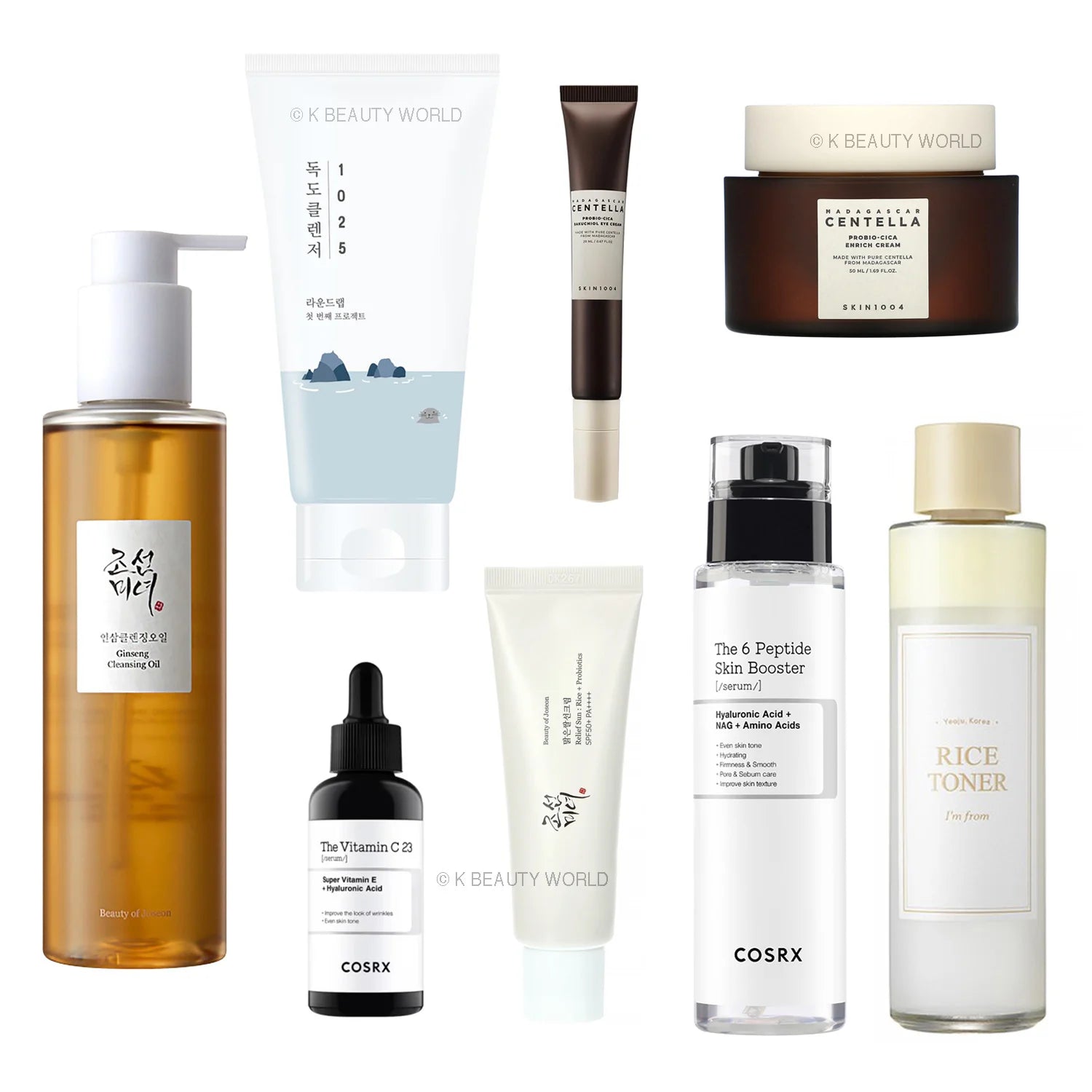
The best skin care line for aging skin by category
I have used, tested, or recommended the lines below in real routines. Your pick should match your skin, your goals, and your wallet. That is the honest answer to what is the best skin care line for aging skin.
Budget-friendly, proven basics
- CeraVe. Barrier-first formulas with ceramides, niacinamide, and gentle cleansers. Try PM Facial Moisturizing Lotion and Skin Renewing Retinol Serum.
- The Ordinary. Focused actives at low cost. Retinol, Granactive Retinoid, and Ascorbic Acid 8–20% are standouts.
- The Inkey List. Simple actives, easy to layer. Retinol, Polyglutamic Acid, and Omega Water Cream are solid.
Derm-backed pharmacy picks
- La Roche-Posay. Great sunscreens, niacinamide, and gentle retinols. Anthelios SPF and Retinol B3 are favorites.
- Eucerin. Mature-skin basics with urea, ceramides, and gentle acids. Nice for dry, sensitive skin.
Mid-range, high value
- Paula’s Choice. Evidence-first line with clear percentages. 1% Retinol, 10% Azelaic Acid, C15 vitamin C, and BHA are strong.
- Olay Regenerist. Peptide-rich moisturizers and retinol blends. Micro-Sculpting Cream and Retinol 24 are reliable.
Clinical luxury and pro-grade
- SkinCeuticals. The vitamin C gold standard with CE Ferulic. Also strong on retinoids, antioxidants, and sunscreens.
- Obagi. Medical-grade retinoids and pigment care. Effective for sun damage and spots.
- Alastin. Peptide and elastin-focused science. Gentle but potent support for firmness and recovery.
- Jan Marini. Advanced acid blends and retinols with clinical testing. Great for texture and brightness.
If you ask what is the best skin care line for aging skin with visible sun damage, pick a line with stronger vitamin C and retinoid options.
If you ask what is the best skin care line for aging skin that is sensitive, pick barrier-first lines and low-irritant retinoids. Your skin will tell you which path works within four to twelve weeks.
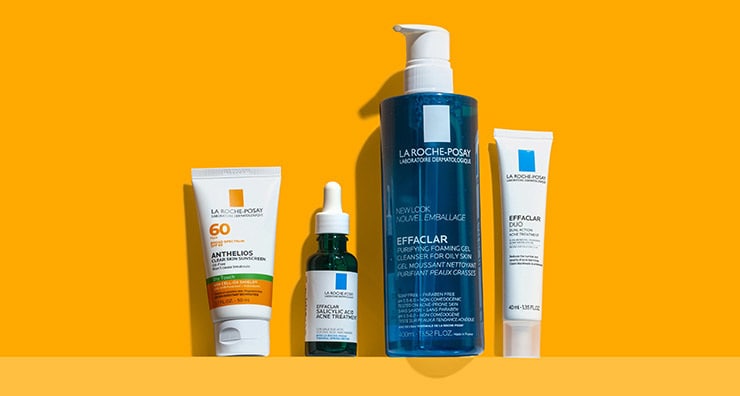
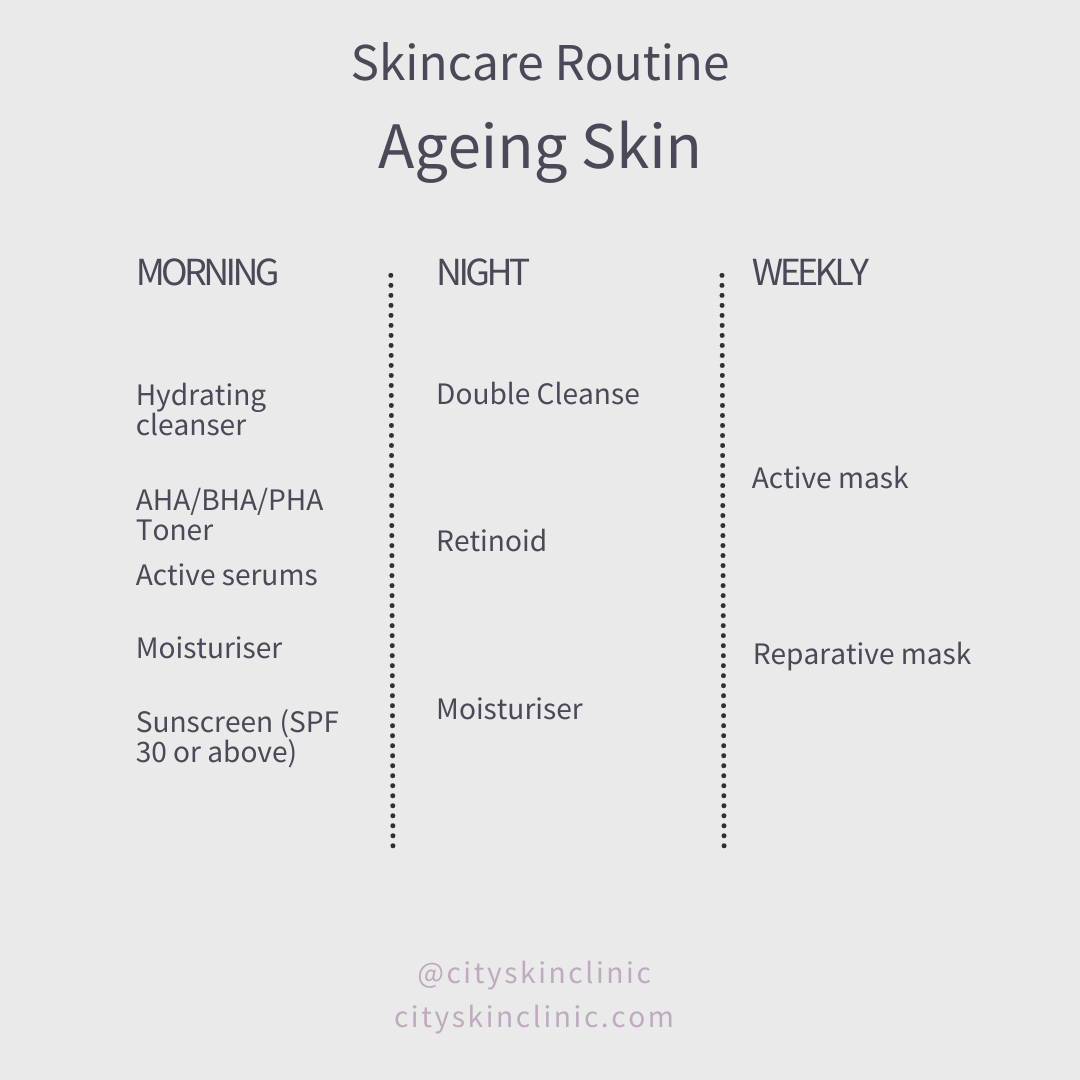
Sample routines using only one line
These simple sets cover morning and night. They use products within the same brand to reduce guesswork. Adjust for your skin type and tolerance.
CeraVe (dry or sensitive)
- AM: Hydrating Cleanser, vitamin C serum (if used from another line, keep gentle), AM Facial Moisturizing Lotion with SPF 30 or higher.
- PM: Hydrating Cleanser, Skin Renewing Retinol Serum two to three nights a week, PM Facial Moisturizing Lotion.
Paula’s Choice (combination or breakout-prone)
- AM: Calm Cleanser or Skin Balancing Cleanser, C15 vitamin C, moisturizer, SPF 50.
- PM: Cleanser, 2% BHA every other night, 1% Retinol one to three nights a week, moisturizer.
SkinCeuticals (photoaging and dark spots)
- AM: Gentle Cleanser, CE Ferulic, moisturizer if needed, broad-spectrum SPF.
- PM: Cleanser, 0.3–1.0 Retinol based on tolerance, Triple Lipid Restore for barrier support.
Alastin (firmness and recovery)
- AM: Gentle Cleanser, Restorative Skin Complex, sunscreen.
- PM: Cleanser, retinoid or Restorative Skin Complex, nourishing moisturizer as needed.
Use one core line and add only one new active at a time. This makes it easier to judge what helps or hurts. It also protects the barrier while you test what is the best skin care line for aging skin for your needs.
How to test, layer, and avoid irritation
Start low and slow. Then go steady. This is how you get results with less risk.
- Patch test. Try a small amount behind the ear for three nights before full use.
- Introduce actives one by one. Add vitamin C first. Add retinoids next. Add acids later.
- Ramp retinoids. Start one to two nights a week. Move up as tolerated every two to three weeks.
- Buffer if needed. Apply moisturizer before retinoids to reduce sting.
- Watch order. Cleanser, watery serums, creamy serums, moisturizer, then sunscreen by day.
- Use enough. A pea of retinoid, two to three drops of serum, two fingers of sunscreen.
- Never skip sunscreen. Retinoids and acids raise sun sensitivity.
If irritation lasts more than a week, pause and rebuild the barrier. Then try again slower or switch formulas. This also helps you refine what is the best skin care line for aging skin when your skin is reactive.
:max_bytes(150000):strip_icc()/anti-aging-products-tout-bf0e356609824529b693bc12adc67452.jpg)
Mistakes to avoid and tips from real-world use
I see the same traps often. They slow progress and waste money.
- Chasing too many actives at once. This overwhelms skin and makes it hard to judge what works.
- Using harsh scrubs. Acids or enzymes are safer and more even.
- Skipping moisturizer on oily skin. A light gel-cream keeps the barrier calm and supports retinoid use.
- Ignoring the neck and chest. Treat them as part of your face.
- Giving up too soon. Retinoids and vitamin C take weeks to show visible change.
From my experience, small changes add up. One client with dry, reactive skin moved from three trendy serums to a simple set with CeraVe, then added a gentle retinol. Her redness dropped in two weeks. Her glow improved by week six. That is the power of a tight routine. It also shows that the answer to what is the best skin care line for aging skin is often the line you can use every day.
How to judge claims, labels, and packaging?
Great lines invest in stability and clear labels. This protects the formula and your results.
- Packaging. Airless pumps and opaque bottles protect vitamin C and retinoids.
- Percentages and pH. Clear data builds trust. Low-pH vitamin C and known retinol strengths work best.
- Fragrance and alcohol. If sensitive, choose fragrance-free and low simple alcohol.
- Ingredient order. Powerful actives should not hide at the end of the list in tiny amounts.
- Clinical testing. Look for before-and-after data and time frames that match skin biology.
Use these checks each time you ask what is the best skin care line for aging skin in stores or online. Smart filters save time, money, and your barrier.
.png)
Frequently Asked Questions of what is the best skin care line for aging skin
What is the best skin care line for aging skin if I have sensitive skin?
Pick lines with ceramides, niacinamide, and gentle retinoids. CeraVe, La Roche-Posay, and Alastin are good places to start.
Do I need both vitamin C and retinol for aging skin?
They target different pathways, so using both helps. Many people apply vitamin C in the morning and retinoids at night.
How long until I see results from a new line?
Hydration and glow can improve in one to two weeks. Fine lines, tone, and firmness may take eight to twelve weeks.
Is expensive always better for anti-aging?
No. Formulation and consistency matter more than price. Many budget lines offer strong results with steady use.
Can I mix brands or should I stay within one line?
You can mix brands if you know what each product does. Starting within one line can be easier for beginners.
What is the best skin care line for aging skin if I want brighter tone fast?
Choose a line with stable vitamin C and gentle acids. SkinCeuticals, Paula’s Choice, and The Ordinary have strong options.
What is the best skin care line for aging skin that is acne-prone?
Look for BHA by day or night and a retinoid at night. Paula’s Choice, La Roche-Posay, and The Inkey List fit well.
Conclusion
There is no single winner because skin needs differ. The strongest answer to what is the best skin care line for aging skin is the one that pairs proven actives with your skin type, your tolerance, and your budget.
Focus on a sunscreen you love, a vitamin C you will use, and a retinoid you can tolerate. Fill the gaps with barrier care.
Start small this week. Pick one line and a simple AM and PM plan. Track your skin for twelve weeks. Then adjust with purpose. If you found this helpful, share it, subscribe for more guides, or leave a question and I will help you build your routine.