

Use a face mask after cleansing, before serums, one to three times a week.
If you have ever wondered when to use a face mask in skin care routine, you are in the right place. I’ve tested hundreds of masks over the years and helped clients build routines that work in real life. This guide breaks down timing, product order, and smart habits so you get real results without irritation.
The optimal spot in your routine
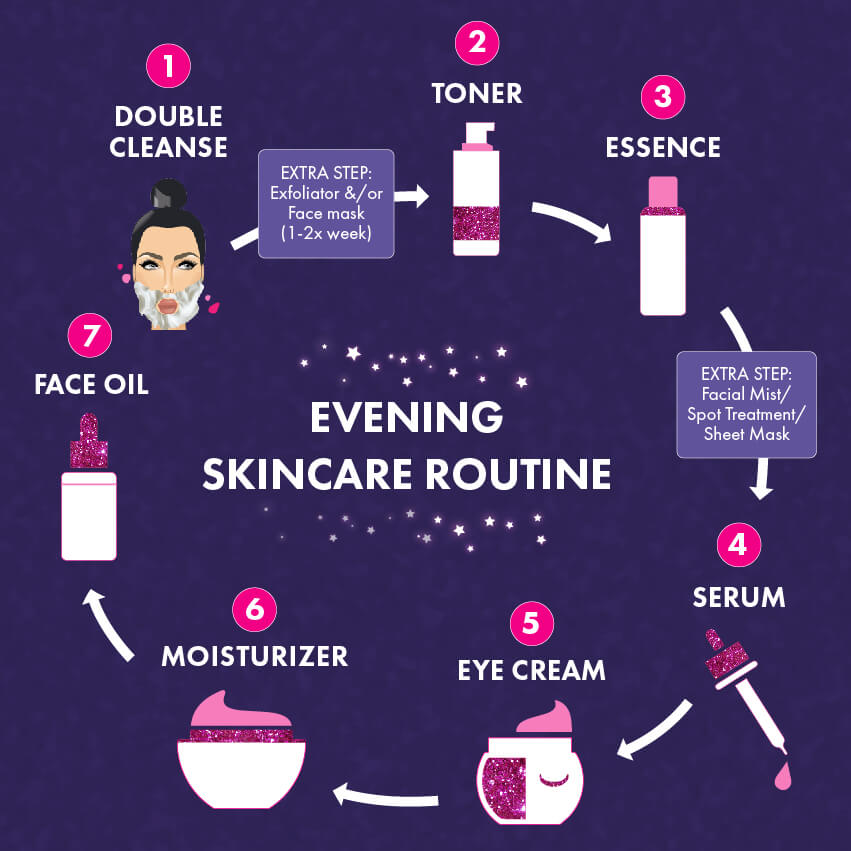
A face mask works best on clean skin. Cleanse first to remove oil, dirt, and makeup. If you use a gentle exfoliant, apply it before the mask to clear dead skin. Then apply the mask. Rinse or remove as directed. Follow with toner, serums, moisturizer, and SPF in the morning.
Most people ask when to use a face mask in skin care routine for the best payoff. Use it before your leave-on actives so the mask can reach the skin. Masks also prime the skin for serums by improving absorption.
In my work with clients, this order reduces pilling and redness. It also keeps actives where they belong. Think of it like setting the table before the main course.
Types of masks and when to use them
Not all masks work the same way. The type you choose helps decide when to use a face mask in skin care routine and how often you apply it.
- Clay or charcoal masks: Use after cleansing in the evening. Great for oily and acne-prone skin. Remove as soon as it dries at the edges to avoid over-drying.
- Gel masks: Use when skin feels warm, tight, or reactive. Ideal after sun exposure (not on sunburn) or after workouts.
- Cream masks: Use at night when skin feels dry. They cushion the barrier and calm flaking.
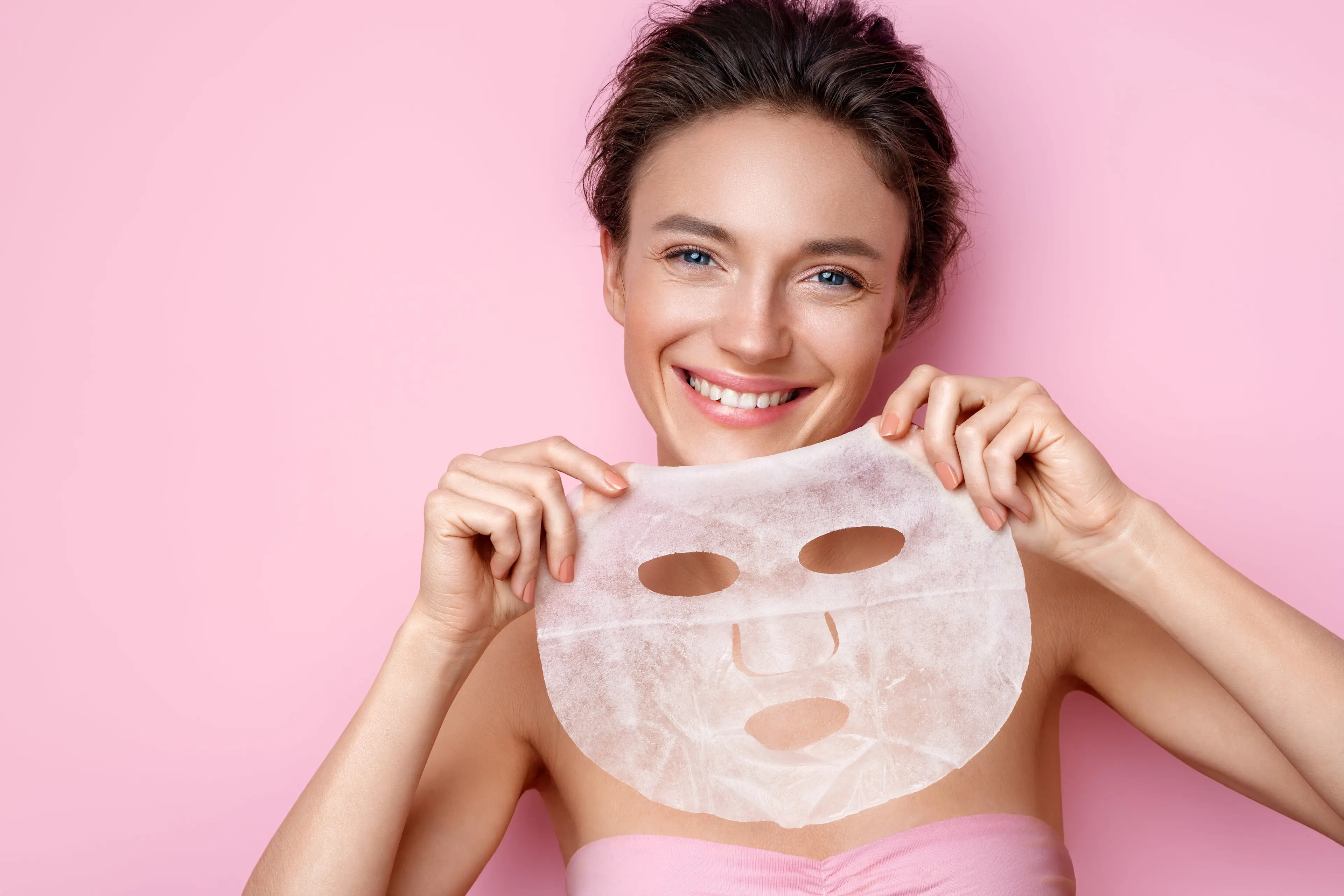
- Sheet masks: Use after cleansing and toner. Leave on 10 to 20 minutes. Pat in the extra essence, then seal with moisturizer.
- Enzyme or AHA/BHA masks: Use in the evening, once or twice a week. Avoid retinoids the same night.
- Overnight or sleeping masks: Use as the last step at night, instead of or over moisturizer, to lock in hydration.
- Peel-off masks: Use rarely and with care. They can pull at the skin and disrupt the barrier.
I suggest choosing one core mask for your main goal and one support mask for weekly tune-ups. That keeps things simple and effective.
Match masks to skin types and goals
Your skin type guides when to use a face mask in skin care routine. Pair timing with the right formula to avoid setbacks.
- Oily or acne-prone: Clay or sulfur masks once or twice a week, evening use. Follow with a light gel moisturizer.
- Dry or tight: Cream or sleeping masks two to three times a week. Layer over a hydrating serum.
- Combination: Multi-mask. Clay on the T-zone and a cream or gel on dry areas. Remove each area as needed.
- Sensitive or reactive: Fragrance-free gel or cream masks once a week. Patch test first. Keep sessions short.
- Dull or uneven tone: Enzyme or gentle AHA masks once a week. Always use SPF the next day.
- Fine lines or barrier support: Sheet masks with ceramides, peptides, or hyaluronic acid before events for a quick glow.
From experience, the most common mistake is using a strong mask on a fragile barrier. If your skin stings with water, press pause and rebuild hydration first.

Frequency and smart scheduling
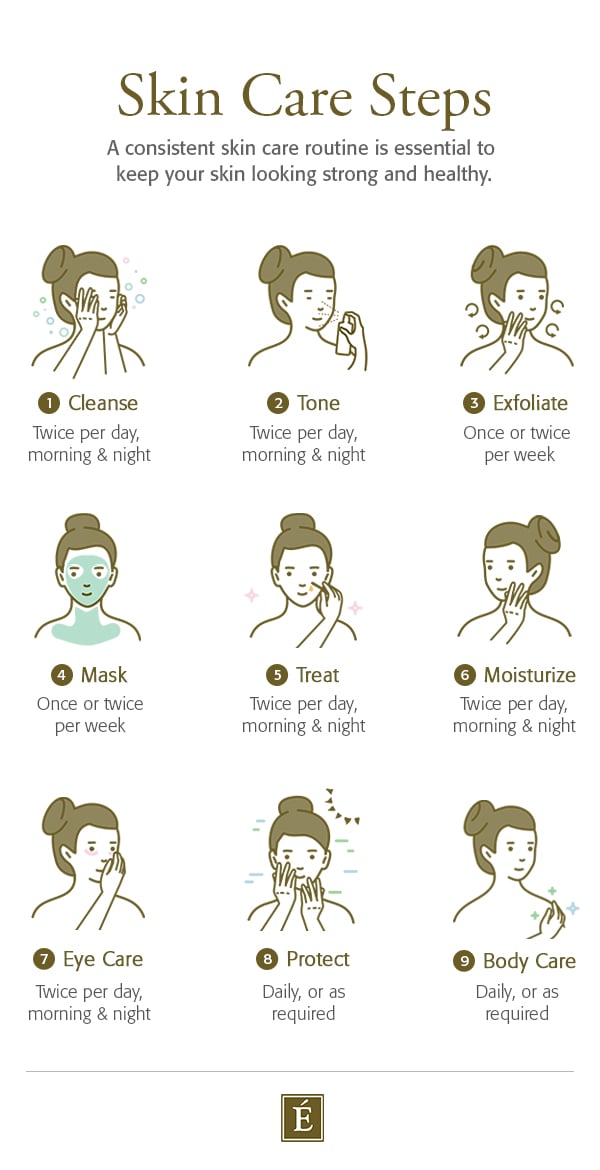
Knowing when to use a face mask in skin care routine also means planning your week. More is not better. Your skin needs recovery time.
- Oil-control masks: 1 to 2 times weekly.
- Hydrating masks: 1 to 3 times weekly, as needed.
- Exfoliating masks: 1 time weekly for most, 2 times only if well-tolerated.
- Sheet masks: 1 to 3 times weekly, or before events.
I often set “mask nights” for clients: Wednesday for clarity, Sunday for repair. If you break out around your cycle, plan a clay mask two to three days before. Before travel, use a hydrating mask the night before your flight.

How to layer with other products without irritation?
Layering well is key to when to use a face mask in skin care routine. Masks play best with simple steps on the same night.
- If you use an AHA/BHA mask, skip retinoids that night.
- If you use a clay mask, follow with a hydrating serum and moisturizer.
- If you use a sheet mask, seal with a cream or sleeping mask for extra glow.
- If you use vitamin C in the morning, keep exfoliating masks for the evening.
- Patch test new masks on the jawline for 24 hours.
My go-to rhythm: exfoliant mask night, barrier night, retinoid night, repeat. This limits overlap and keeps skin calm while you see steady gains.

Source: healthline.com
Seasonal and lifestyle triggers
Life events shape when to use a face mask in skin care routine. Use masks to balance weather, stress, and special plans.
- Winter dryness: Cream or sleeping masks two to three nights per week.
- Summer shine: Clay masks once a week, plus a gel mask after hot days.
- After flights: Hydrating sheet mask the evening you land. Drink water and add an occlusive layer.
- After workouts: Cleanse, then a short gel or clay mask if pores feel clogged.
- Before events: Sheet mask 24 hours before. Avoid strong exfoliation on the event day.
- After sun: Use cooling gel or aloe-based masks. Skip acids and retinoids for 48 hours.
These small shifts help you stay flexible and avoid last-minute flare-ups.
Common mistakes and how to fix them
Tiny tweaks change results. These fixes support when to use a face mask in skin care routine without stress.
- Leaving masks on too long: Stop at the label time. More time can mean more irritation.
- Applying on dirty skin: Always cleanse first. Makeup blocks benefits.
- Using hot water: Use cool to lukewarm water to remove. Hot water strips the barrier.
- Masking daily with actives: Space out exfoliants and retinoids. Protect your barrier.
- Skipping moisturizer: Seal in the gains. Hydration keeps results longer.
- Tugging on peel-off masks: Switch to rinse-off or sheet masks to reduce friction.
If your face gets red or tight, pause actives for a few days and use a simple cream mask.
Step-by-step routine examples
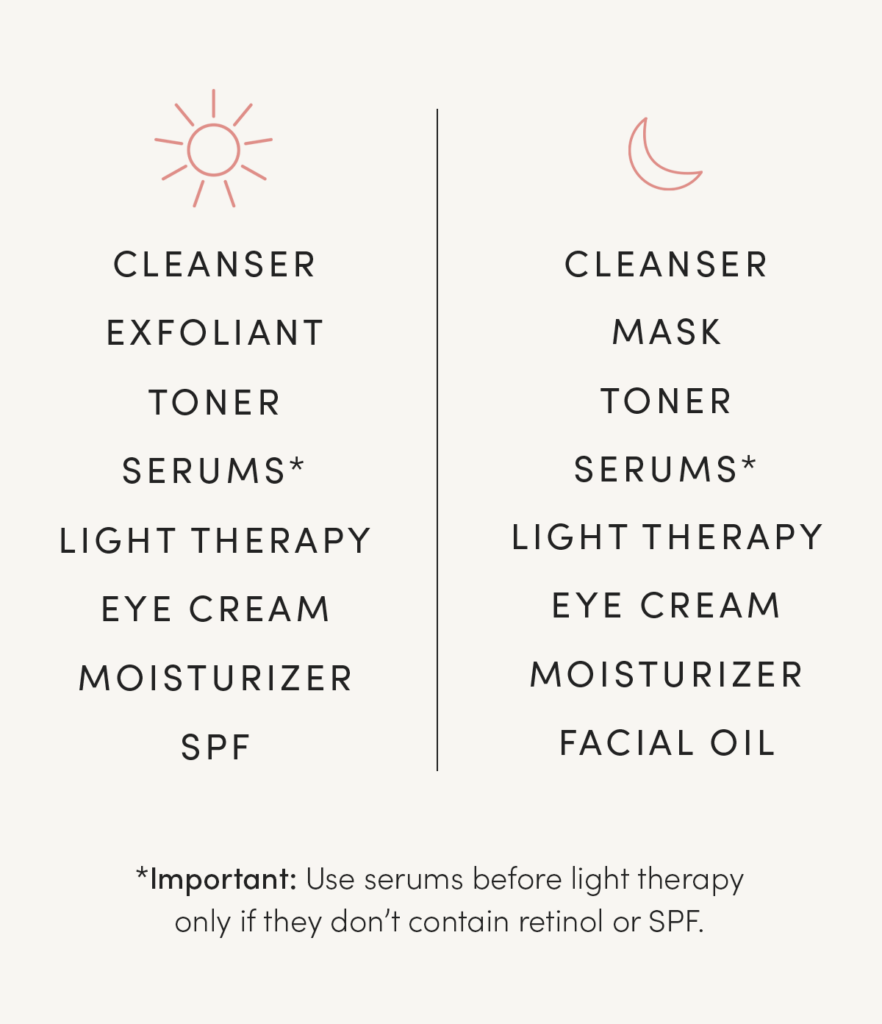
Clear routines help cement when to use a face mask in skin care routine. Use these as templates and adjust for your skin.
Evening routine for oily or acne-prone skin
- Cleanser: Gentle gel.
- Optional: BHA toner, once or twice a week before the mask.
- Mask: Clay, 10 minutes. Do not let it crack.
- Serum: Niacinamide or a light hydrating serum.
- Moisturizer: Oil-free gel cream.
- Spot treatment: Only on blemishes, after moisturizer.
Evening routine for dry or mature skin
- Cleanser: Cream or milk.
- Mask: Cream or sheet mask, 15 minutes.
- Serum: Hyaluronic acid plus peptides.
- Moisturizer: Rich cream.
- Optional: Sleeping mask as a final seal on dry spots.
Sensitive-skin minimalist night
- Cleanser: Fragrance-free.
- Mask: Cooling gel, 5 to 10 minutes.
- Serum: Simple hydrating serum.
- Moisturizer: Barrier cream with ceramides.
Morning add-on (any skin) before an event
- Cleanser: Gentle.
- Toner: Hydrating.
- Sheet mask: 10 to 15 minutes.
- Serum: Vitamin C or peptide (skip if skin is sensitive).
- Moisturizer: Light lotion.
- Sunscreen: Broad spectrum SPF 30 or higher.
Frequently Asked Questions of when to use a face mask in skin care routine
How do I know when to use a face mask in skin care routine if I’m new?
Start once a week after cleansing, before serums. Watch for redness or tightness and adjust.
Is morning or evening better for masking?
Evening is safer for active masks with acids or clay. Morning is fine for hydrating sheet or gel masks before makeup.
Can I use a mask and retinoid on the same night?
Yes, but not with exfoliating masks. If you use a hydrating mask, you can apply a gentle retinoid after.
Where does toner fit with masks?
Use toner after cleansing, before a sheet or cream mask. With rinse-off masks, tone after you remove the mask.
How long should I leave a mask on?
Follow the label, usually 5 to 20 minutes. Exceeding the time can cause dryness or irritation.
Do I need to moisturize after a mask?
Yes. Moisturizer locks in benefits and reduces water loss. Even oily skin needs a light layer.
Can I multi-mask?
Yes. Apply clay on the T-zone and a hydrating mask on dry areas. Remove each zone on time.
Conclusion
The right timing turns a face mask from a treat into a tool. Cleanse first, mask next, then layer serums and moisturizer. Keep actives on separate nights, and set a simple schedule you can follow.
Make a plan this week. Pick one mask for your main goal and give it four consistent weeks. Track how your skin looks and feels. Ready for more tips? Subscribe for updates, ask a question in the comments, or share what worked for you.